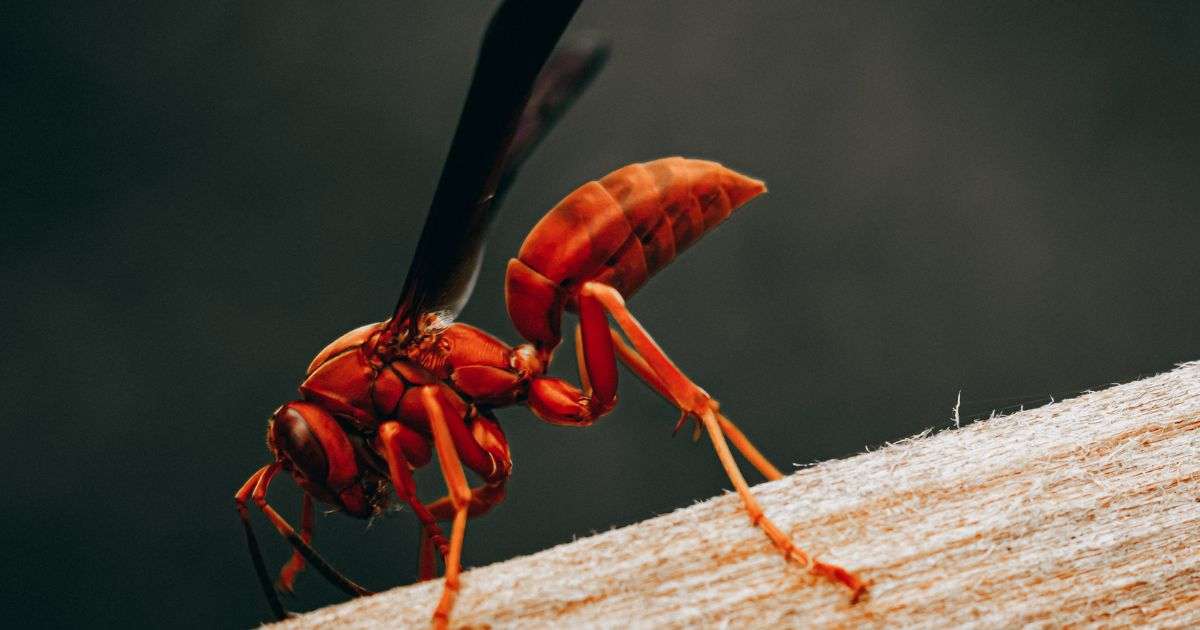
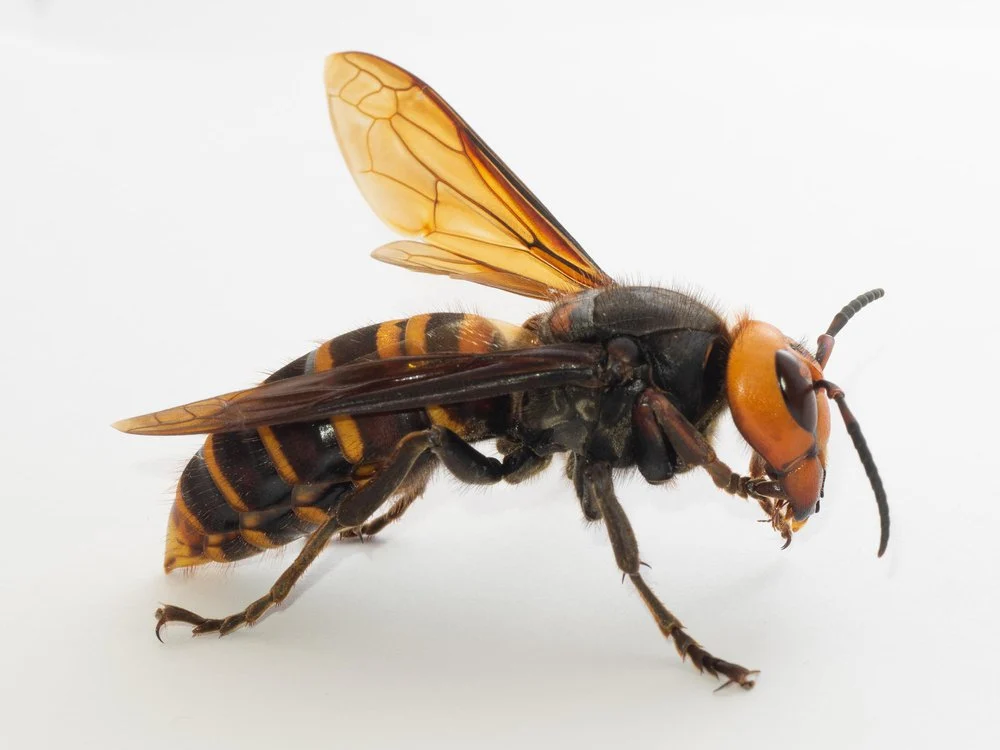
Wasps can quickly turn your outdoor paradise into a stressful minefield. They’re not just annoying—they can be dangerous to kids, pets, and anyone who happens to be nearby when they decide to get territorial. But don’t worry—you don’t need to drown your yard in chemical sprays to keep them away. There are plenty of natural, safe, and effective ways to deal with these buzzing party crashers.
This guide is packed with DIY natural wasp repellents, eco-friendly hacks, and smart prevention tips that won’t just make your backyard less attractive to wasps but will also help protect your local ecosystem. Ready to take back your space? Let’s dive into 10 natural ways to repel wasps effectively.
Why Bother Going Natural?
Here’s the thing: sure, chemical sprays can work, but do you really want all those toxins hanging around your garden? Commercial insecticides often contain ingredients that aren’t just harmful to wasps but can also put your kids, pets, and even beneficial insects like bees at risk. These sprays can linger on surfaces, seep into the soil, and generally cause more problems than they solve.

Natural solutions, on the other hand, are safer for everyone—and they often use ingredients you probably already have around the house. Plus, many natural repellents focus on keeping wasps away rather than harming them, which helps maintain balance in your garden’s ecosystem. Win-win, right?
1. Peppermint Oil: Wasps Hate It
If wasps had a “do not like” list, peppermint would top it. They just can’t stand the strong, minty scent. That makes peppermint oil one of the most effective essential oils for repelling wasps.
Here’s how to make a simple peppermint spray:
Mix 10 drops of peppermint oil with 2 cups of water.
Add a teaspoon of dish soap to help the mixture stick better to surfaces.
Spray it around windows, doors, patios, or anywhere the wasps like to hang out.
For extra protection, you can soak cotton balls in peppermint oil and place them near problem areas, like outdoor seating spots or windows. Think of them as tiny “Keep Out” signs for wasps.
2. Vinegar Wasp Spray: Cheap But Effective
Wasps can’t handle the sharp smell of vinegar, making it another great natural repellent. Bonus: It’s super affordable and easy to whip up.
Here’s what you need:
Combine equal parts white vinegar and water in a spray bottle.
Shake it up and mist it over nests or places where you see wasps loitering.
Pro Tip: Avoid spraying this too close to flowers or plants that bees visit, since we want to keep bees happy and healthy.
3. Buzz Off With Wasp-Repelling Plants
Yes, wasps are picky about smells, which means certain plants can double as beautiful décor and natural deterrents. Add some of these to your garden to send wasps packing:
Mint: Its strong scent confuses wasps, plus it’s great for mojitos.
Lemongrass: Contains citronella, which bugs hate (not just wasps—mosquitoes, too!).
Marigolds: Bright, cheerful, and naturally insect-repelling.
Basil: Perfect for pest-free outdoor cooking zones.
Plant these near patios, decks, or wherever you hang out most.

4. Citrus Spray: A Fresh-Scented Wasp Repellent
Citrus scents may smell lovely to us, but wasps are seriously not fans. This makes citrus spray an excellent natural wasp repellent—and it’s super simple to make.
Here’s how:
Boil some lemon or orange peels in water for about 10 minutes.
Let the solution cool, strain it, and pour it into a spray bottle.
Spray generously in wasp-prone areas.
Pro tip: You’ll feel like you’re in a fancy spa while wasps run for the hills.
5. Mix Up an Essential Oil Blend
Can’t decide on just one scent to repel wasps? Why not combine a few? Creating a powerful mix of essential oils can act as a natural shield that smells great to humans but offends wasps deeply.
Here’s the recipe:
Combine 15 drops each of peppermint, clove, and lemongrass oils.
Add the mix to 2 cups of water.
Spray it around your outdoor spaces as often as needed.
This blend smells so good you might catch yourself spraying it for no reason.
6. Build a Homemade Wasp Trap
If things are getting out of hand and you need to cut down on wasp traffic, try this DIY trap:
Cut the top off a plastic soda bottle.
Flip the top upside down (so it’s like a funnel) and tape it back onto the bottle.
Fill halfway with a mixture of sugar water and vinegar.

The sugary smell will lure the wasps in, but the vinegar discourages bees from following suit. Once the wasps get inside, they usually can’t find their way back out. Problem solved!
For large infestations or situations where DIY methods aren’t enough, consider contacting a pest control expert like The Bugman Pest Control – 604-854-2847 for professional advice and services.
7. Burn Coffee Grounds for a Smoky Barrier
Yes, coffee grounds. Wasps despise the smell of burning coffee, and lucky for you, it’s ridiculously easy to do.
Here’s how:
Take some used coffee grounds and place them in a fireproof container.
Light them up (safely, of course) and let the smoke do its thing.
The aroma is strangely pleasant for humans but drives wasps far, far away. Bonus: Your patio will smell like a fancy coffee shop.
8. Clove-Lemon Tabletop Repellent
This one’s as easy as it gets. Slice a lemon in half, stick some whole cloves into the flesh, and voila: instant wasp-repelling power.
Place these little lemon-clove combos on tables, windowsills, or anywhere you want to keep wasps away. It’s cheap, effective, and doubles as adorable summer décor.
9. Soap and Water Spray: Quick and Lethal
If you’re looking for immediate action against wasps, this simple homemade spray does the trick:
Mix 2 tablespoons of liquid dish soap with water in a spray bottle.
Spray it directly on wasps or their nests.
The soap essentially suffocates the wasps without introducing harmful chemicals into your environment. It’s an easy, humane way to deal with surprise encounters.
10. Preventative Landscaping: Keep Wasps Away Naturally
The best way to deal with wasps? Stop them from showing up in the first place. A little landscaping and tidying up can go a long way:
Remove fallen fruit and seal trash cans tightly.
Use mulch or gravel instead of bare soil to deter ground-nesting species.
Keep your garden neat and free of clutter where wasps might nest.
Basically, the less inviting your yard is to wasps, the less likely they’ll move in.
FAQs
Do essential oils really work against wasps?
Yep! Peppermint, clove, and lemongrass oils are all highly effective at keeping wasps away thanks to their strong scents. Plus, they’re safe for humans, pets, and the planet.
How often should I reapply natural repellents?
Every few days, especially after rain. Stay consistent for the best results, and check problem areas weekly.
Are these methods safe for kids and pets?
Absolutely! Most natural remedies, like vinegar or essential oils, are non-toxic. Just test surfaces before spraying—better safe than sorry!
When’s the best time to apply these repellents?
Early morning or late evening works best since wasps are less active. And always approach nests slowly and carefully.
Take Back Your Space—Naturally
Say goodbye to wasps without sacrificing your love for the great outdoors—or resorting to nasty chemicals. With these natural repellents, you can create a wasp-free zone that’s safer for your family, pets, and the environment.
For major infestations or expert advice specific to your area, don’t hesitate to reach out to a local pest control professional like The Bugman Pest Control – 604-854-2847. Until then, you’ve got this—wasps don’t stand a chance against your new arsenal of natural solutions!
Sources
- https://idph.illinois.gov/envhealth/pcbees.htm
- https://pmc.ncbi.nlm.nih.gov/articles/PMC4592629/ – Supporting peppermint oil effectiveness.
- https://pubmed.ncbi.nlm.nih.gov/23081867/ – Demonstrating essential oils as spatial repellents.
- https://www.ars.usda.gov/news-events/news/research-news/2018/coconut-oil-compounds-repel-insects-better-than-deet/ – Highlighting coconut oil compounds as potent insect repellents.