Table of Contents
Related Blogs


10 Surprising Wasp Facts That’ll Sting Your Curiosity
Ever spotted a wasp dive-bombing your BBQ in the Fraser Valley and thought, “Not again!”? You’re not alone, these buzzing busybodies are summer staples here at The Bugman Pest Control. But did you know they’re picky architects, ferocious pest police, and occasionally hilarious homewreckers? We’ve dug deeper than a yellowjacket burrowing underground to bring you 10 eye-opening facts about wasps in British Columbia, packed with local insights, prevention hacks, and pro tips. No sugarcoating: these critters can ruin your picnic, but armed with knowledge (and maybe our services), you’ll stay sting-free. Let’s buzz in!
1. Wasps Are Nature's Clean-Up Crew
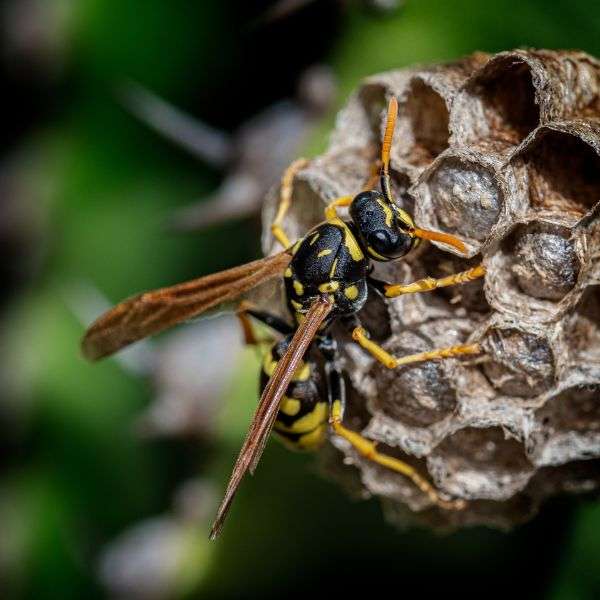
Yellowjackets and paper wasps (our Fraser Valley MVPs) devour flies, caterpillars, and aphids, controlling pests better than some sprays. Queens wake from winter naps in April, chew wood into papier-mâché nests, and raise an army, up to 5,000 strong by fall.
Fun fact:
ountries like Thailand and Brazil release wasps on cassava and corn crops to devour pests like mealybugs and borers, saving billions and forests! Impressive? Absolutely. Annoying in your Fraser Valley backyard? Still yes (Source: https://doi.org/10.1098/rspb.2019.1676)
2. Size Matters: From Fairy-Sized to Monster-Sized
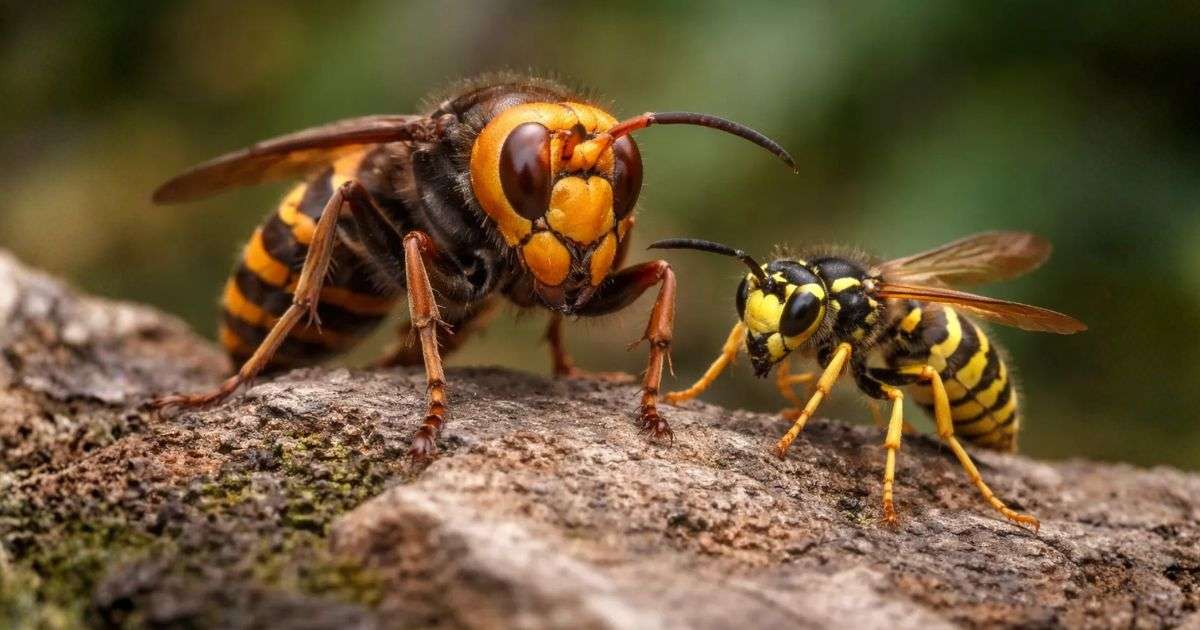
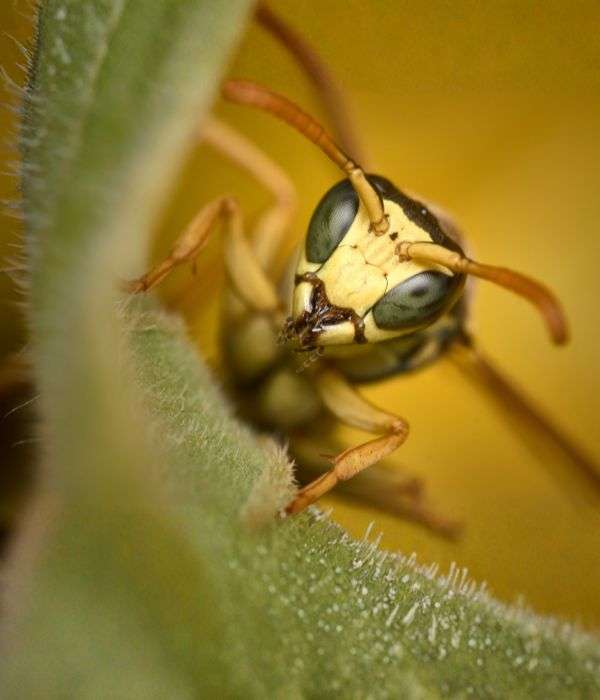
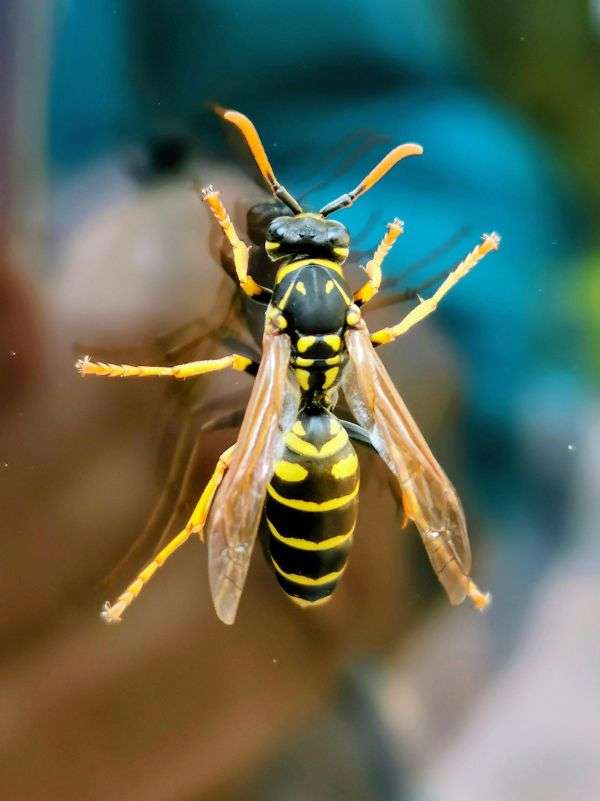
Global wasps range from 0.005 inches (tiny parasitic species) to over 2 inches (large hornets). In the Fraser Valley, watch for German yellowjackets (about ½-inch, black-and-yellow striped foragers that raid trash aggressively), European paper wasps (around ¾-inch, slender builders of open nests under eaves), and bald-faced hornets (1-inch, white-and-black giants constructing enclosed nests in trees or shrubs).
Safety note:
Bald-faced hornets are particularly dangerous, highly aggressive with potent venom that causes severe pain, swelling, and higher anaphylaxis risk; avoid their
3. Fraser Valley's Top 3 Trouble-Makers
- Aerial Yellowjackets: Underground or wall-dwellers, aggressive trash scavengers.
- Paper Wasps:Umbrella nests on porches, chill unless you poke ’em.
- Bald-Faced Hornets: Big, bold, ball-shaped nests in shrubs.
4. Life Cycle Lowdown: Spring Start, Fall Party Crashers
Wasp queens emerge from winter hibernation in April-May, single-handedly building small starter nests from chewed wood. They lay eggs, tend the first workers, then hand off duties as the colony grows to thousands by late summer. Nests fully die off each winter (only fertilized queens survive to restart elsewhere), explaining their annual resurgence.
Fun Fact:
Workers mark prime food sources, like your BBQ, with pheromone trails, turning casual cookouts into unwanted invasions.

A single wasp sting delivers intense, burning pain similar to a fire ant bite, causing redness, swelling, and itching that can last days. Multiple stings lead to severe symptoms like widespread hives, nausea, or anaphylaxis, a life-threatening allergic reaction affecting 5-10% of people (keep epi-pens handy for at-risk family members). In the Fraser Valley’s mild BC climate, risks spike for kids, pets, and allergy sufferers. Yellowjackets sting repeatedly and aggressively when threatened; paper wasps often “warn” with dry stings first; bald-faced hornets pack especially potent venom. Stay vigilant near nests, prevention beats cure.
Swatting a single wasp releases alarm pheromones, summoning the entire hive for a stinging “party”- instant chaos! Nests hidden in vents, attics, or walls trap moisture, leading to rot, mold, and costly structural damage over time. DIY gasoline pours or sprays? Dangerous fire hazards and ineffective.
Smarter moves:
Pheromone traps (like the ones from The Bugman Pest Control) lure and capture scout wasps early, disrupting colony formation, we recommend and sell them for Fraser Valley homes. Fun fact: Wasps avoid building nests within 100-200 feet of rivals, so strategic fake nests or traps mimic competition and keep your property clear. For real infestations, trust The Bugman.
Seal eaves/cracks with caulk, use tight trash lids, and trim overhanging bushes to eliminate hiding spots. Plant wasp-repelling herbs like mint and eucalyptus, plus hang fake nests (wasps hate “competition” from rivals). Avoid wasp-magnet flowers such as sunflowers, zinnias, goldenrod, and Queen Anne’s lace – their sweet nectar and open blooms draw yellowjackets like a buffet, especially in Fraser Valley gardens. (Source: https://www.epicgardening.com/plants-attract-wasps/ & https://beemanbuzz.com/the-plants-that-attract-or-repel-bees-and-wasps/)
Our spring Dragnet sprays create an invisible shield against wasps, ants, and spiders, book now for proactive protection!
Coffee grounds scattered near nests clog entryways, confusing scouts. WD-40 smothers lone wasps on contact by gunking their breathing pores (but this is messy & flammable). Essential oil sprays (peppermint + dish soap) drown fliers mid-air.
- Busting myths: Ultrasonic devices? Useless. Cinnamon sticks? Minimal effect.
- Pro move:Pair with our pheromone traps from Section 6 for early disruption, available at The Bugman
9. Eco-Warrior Angle: Don't Panic-Kill Solo Wasps
Solitary wasps (like mud daubers) are beneficial pollinators and pest hunters-chill allies in your Fraser Valley garden. But even social wasps have upsides: they devour flies, caterpillars, and aphids, acting as free biological controls. Here’s the real downside to killing just one wasp:
Pheromone alarm:
Swatting releases attack pheromones, signaling the entire hive to swarm you, turning a solo buzz into a stinging mob.
Wasted effort:
Mid-summer workers are replaceable; the colony (thousands strong) lives on unfazed.
Wasted effort:
Ecosystem ripple: Removes a link in nature’s chain, letting pests like aphids explode on your plants.
Ecosystem ripple:
Removes a link in nature’s chain, letting pests like aphids explode on your plants.
10. When to Call the Exterminators (Spoiler: Now)
Spot swarms near kids, decks, or high-traffic areas? Don’t risk it—DIY dangers outweigh any quick fix. The Bugman Pest Control delivers fast Fraser Valley response with trained technicians, eco-friendly dusts, pesticide treatments, and pheremone traps to prevent re-infestation. We can’t guarantee zero wasps will ever fly onto your property (nature’s unpredictable!), but we do our absolute best to eliminate threats and keep them from staying or rebuilding. Affordable, insured, and proudly local, trusted for safe, effective results.
FAQ: Wasp Wonders Answered (Fraser Valley Edition)
Do wasps return to the same nest each year?
No, they don’t. Wasp nests fully die off each winter, with only fertilized queens surviving hibernation. In spring, these queens build brand-new nests nearby, keep an eye out for those tiny starters in April-May.
Will wasps come back if you remove their nest?
They might. Queens often scout the same spots or nearby areas for new nests. Professional removal plus a preventative spray reduces the chance of returns, that’s our specialty at The Bugman Pest Control.
What smell do wasps hate the most? / What smell does a wasp hate? / What do wasps absolutely hate?
Peppermint oil tops the hate list, its strong menthol overload scrambles their senses and sends them packing. Citrus, vinegar, and eucalyptus are close runners-up for easy backyard repellent sprays.
What does WD-40 do to wasps?
WD-40 suffocates wasps by clogging their breathing pores, great for lone fliers but messy and flammable.
What kills wasps instantly?
For instant kills, mix soapy water to drown them or use pro freezing aerosols on small nests.
Why should you never kill a wasp?
Never swat a single wasp because it releases attack pheromones, summoning the whole hive to sting you. Plus, they’re natural pest-eaters, killing one disrupts the ecosystem without touching the colony.
What actually keeps wasps away? / What are wasps most afraid of?
The best deterrents are sealed homes, covered trash, and yellow light bulbs (no UV attraction). Fake nests mimic rival colonies to scare them off, while natural predators like birds and bats keep numbers down.
How many hearts does a wasp have?
Wasps have zero hearts like humans. Instead, they use a simple dorsal vessel in an open circulatory system to pump blood efficiently, no valves, no drama.
Do wasps remember who you are? / Do wasps remember a person's face? / How good are wasp memories?
Yes, short-term: Wasps recognize faces and shapes through vision, remembering threats for days to weeks. Long-term memory is basic since workers only live 2-3 weeks, no winter grudges from the hive.
How intelligent is a wasp?
Wasps are surprisingly smart: They use tools (like dropping pebbles to flush prey), solve simple mazes, and even recognize faces. Fraser Valley queens navigate expertly, but don’t expect chess champions.
What is a wasp's biggest enemy?
Other wasps top the list (they raid rival hives), followed by birds like swallows, spiders, and ants. Humans with traps and sprays round it out, in BC, ants often steal their food stashes.