Table of Contents
Wasp infestations can be a major headache for homeowners and business owners alike. These pesky insects can ruin outdoor gatherings, pose a risk of stings, and even cause structural damage to homes and buildings. Finding an affordable and reliable Wasp Exterminator to deal with wasp problems is essential for keeping your property safe and comfortable.
In this article, we will take a comprehensive look at everything you need to know about finding professional wasp exterminators in Fraser Valley, British Columbia, CA. From the types of wasps to look out for to the benefits of hiring a professional, we’ve got you covered.
Understanding Types of Wasps
Wasp infestations can be a real nuisance, but before seeking out professional wasp control services, it’s important to understand the different types of wasps and their behaviour. There are two main types of wasps: social and solitary wasps. Social wasps typically build their nests in sheltered areas like eaves, attics, and trees. Solitary wasps include cicada killers and mud daubers, which typically build their nests in the ground or small crevices in walls.
Signs of a Wasp Infestation
The signs of a wasp infestation can vary depending on the type of wasp and the size of the colony. Some common signs include the presence of wasps flying around your property, visible nests, and an increase in wasp activity around food sources. If you notice any of these signs, it is important to contact a professional wasp exterminator for wasp nest removal and control services.
What Type of Wasps do we see in British Columbia?
In British Columbia, you can encounter a variety of wasp species, each with its unique characteristics and behaviors. Some of the most common types include:
- Yellowjackets – These are probably the most familiar wasps in British Columbia. They have a distinctive yellow and black striped pattern and are often seen during the late summer at picnics and barbecues, attracted to meats and sweets.
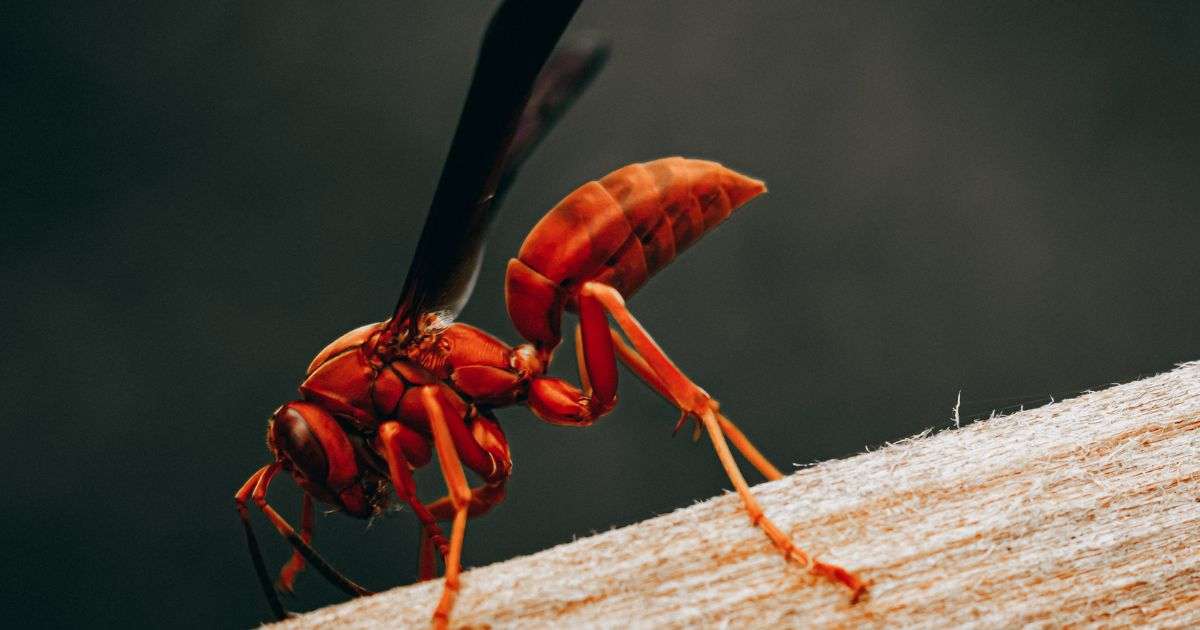
- Paper Wasps – Known for their unique umbrella-shaped nests, paper wasps are less aggressive than yellowjackets but will defend their nests if threatened. They have a slender body with a narrow waist, and their coloration ranges from reddish-brown to black, often with yellow markings.
- Bald-Faced Hornets – Despite their name, bald-faced hornets are actually a type of wasp. They are easily recognizable by their white and black coloring and large, football-shaped paper nests. They are more aggressive than yellowjackets and paper wasps, especially when their nest is disturbed.
- Mud Daubers – Mud daubers are solitary wasps and are known for their distinctive long, slender waists. They construct nests made of mud and are generally not aggressive. These wasps are beneficial as they help control spider populations.
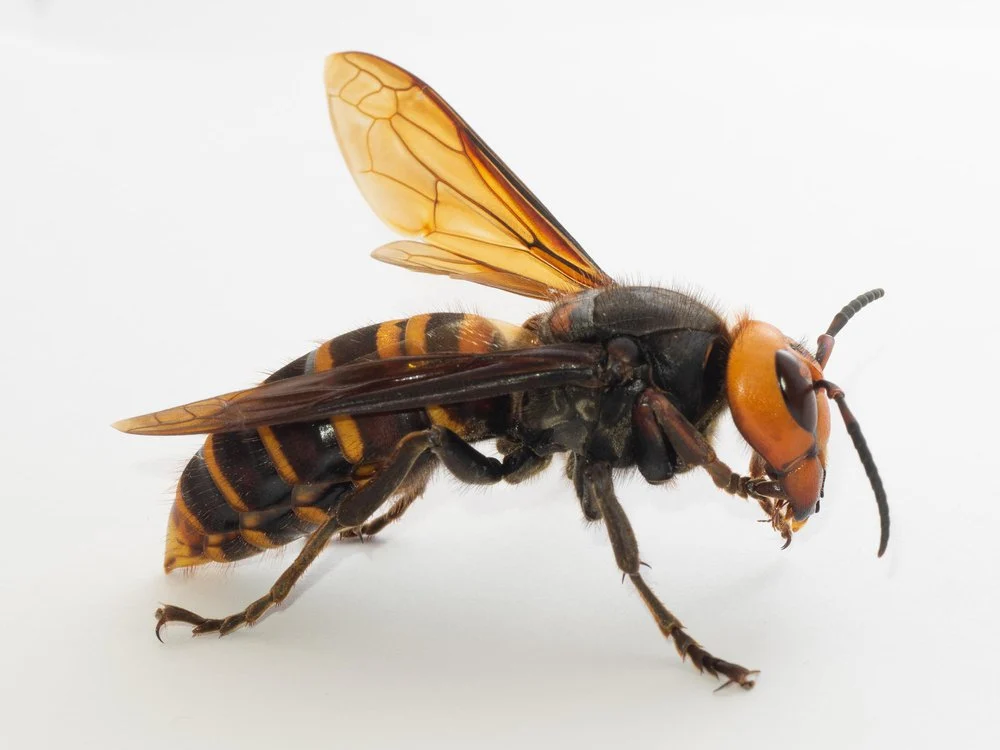
- European Hornets – Larger than other common wasps, European hornets are robust and can be identified by their reddish-brown head, thorax, and yellow and black striped abdomen. They are less common but can be seen around wooded areas and are active at night.
These wasps play crucial roles in the ecosystem, including pollination and controlling insect populations, although their ability to sting can make them a concern for humans, especially during outdoor activities.
Finding Affordable Wasp Removal Services
Here are some key points for finding affordable wasp removal services in the Fraser Valley, British Columbia, CA:
- Look for a company with experience and a range of pest control services.
- Choose a company that uses safe and effective methods for wasp removal and control.
- Check for competitive pricing or discounts for multiple treatments or ongoing services.
- Read online reviews and ratings from previous customers.
- Ask for recommendations from friends and family, or check with the local Better Business Bureau.
At The Bugman Pest Control, we offer affordable pest control services in the Fraser Valley, British Columbia, CA. Find out which pest control services have good reviews and ratings from previous customers. You can also ask friends and family about their service or check with your local Better Business Bureau.
Benefits of Professional Wasp Exterminator Services
Hiring a professional wasp exterminator for wasp nest removal and control services offers several benefits. First, professionals have the expertise and equipment to remove wasp nests and handle aggressive wasps safely. They also use safe and effective methods to prevent future infestations.
Our professional wasp removal services can save you time and money in the long run. Attempting to remove wasp nests yourself can be dangerous and often ineffective, leading to repeated infestations. By hiring our professionals, you can ensure that the job is done right the first time.
Final words: Get the Best Wasp Exterminator
Dealing with a wasp infestation can be a stressful and potentially dangerous situation. However, finding an affordable and reliable wasp exterminator like The Bugman Pest Control throughout the Fraser Valley, British Columbia, CA, can ensure your safety and peace of mind. By understanding the signs of a wasp infestation and choosing a reputable pest control company, you can effectively remove wasp nests and prevent future infestations.
Frequently Asked Questions about Wasp Extermination
How much does it cost to get rid of a wasp nest with pest control?
The cost of wasp nest removal by a pest control service in British Columbia can vary based on several factors, including the location of the nest, the size of the nest, the type of wasp, and the complexity of the removal. Here are some general cost ranges to give you an idea:
- Basic Removal – For easily accessible nests, such as those located in bushes or on the exterior of a building at lower heights, the cost typically ranges from CAD 100 to CAD 200.
- Moderate Complexity – Nests located at medium heights or in slightly more challenging locations, such as inside walls or in attics, can cost between CAD 200 to CAD 300.
- High Complexity – Removal of nests that are high up (e.g., in tall trees) or in very difficult-to-access areas may cost upwards of CAD 300 to CAD 500 or more, depending on the additional equipment and safety measures required.
Will wasps return to a sprayed nest?
Generally, wasps are unlikely to return to a nest that has been treated with an insecticide spray by professionals. When a wasp nest is properly treated, the pesticide not only eliminates the wasps present at the time of application but also serves to deter new wasps from inhabiting the same nest.
What happens if you don’t remove a wasp nest?
If you choose not to remove a wasp nest, several outcomes can occur depending on the location of the nest, the time of year, and the specific type of wasps inhabiting it. Here are some possibilities:
- Natural Decline: Most wasp colonies in temperate regions naturally decline as winter approaches. The worker wasps die off, and only the new queens survive to hibernate and start new colonies in the spring. The old nest is typically abandoned and not reused.
- Growth of the Nest: If the nest is active and it’s early in the season, the colony can grow larger. This growth can lead to increased wasp activity and a higher likelihood of encounters or stings, especially if the nest is near human activity.
- Structural Damage: In some cases, particularly with nests inside walls or in attics, the growing wasp colony can cause damage. Wasps may chew through plasterboard or other materials to expand their nest, potentially leading to structural damage over time.
- Attracting Other Pests: Abandoned wasp nests might attract other pests, such as rodents or secondary insects, which are drawn to the leftover material or the shelter of the old nests.
- Risk of Stings: As long as the nest is active, there is a risk of being stung, particularly if the nest is disturbed by human activity. Wasps can be quite aggressive when defending their nest.
- Recurrence: Even though wasps don’t typically reuse an old nest, the fact that a site was chosen once can indicate conditions are good for wasps. This could lead to new nests in the same area in subsequent years.
Will WD-40 get rid of wasps?
WD-40, while not designed as an insecticide, is sometimes cited by people as a makeshift method to repel or kill wasps. It can be effective in killing wasps on contact due to its properties, which can suffocate the insects by blocking their spiracles (the breathing pores in insects). However, using WD-40 to deal with wasps is not recommended for several reasons:
- Safety: WD-40 is highly flammable, and using it in this manner can pose significant fire risks, especially if used near potential sources of ignition.
- Effectiveness: While it might kill wasps on contact, WD-40 doesn’t provide any residual insecticidal effect. It won’t prevent other wasps from coming back or discourage them from using an existing nest.
- Environmental Concerns: Spraying WD-40 in the environment can have unintended consequences, potentially harming other wildlife or plants, and contaminating soil or water sources.
- Health Risks: Exposure to WD-40’s fumes or direct contact can be harmful to both humans and pets. It’s not intended for use as a pesticide and can pose health risks if inhaled or if it comes into contact with skin over prolonged periods.
For safer and more effective alternatives, consider:
- Commercially Available Wasp Sprays: These are specifically formulated to kill wasps and often have a residual effect to keep wasps away.
- Professional Pest Control: Hiring a professional ensures safe and effective removal of wasp nests, especially in difficult or dangerous locations.
- Natural Repellents: Using natural deterrents like peppermint oil or establishing physical barriers can help keep wasps away without harsh chemicals.
If you’re dealing with a wasp problem, it’s best to use products intended for pest control or seek professional advice to handle the situation safely and effectively.