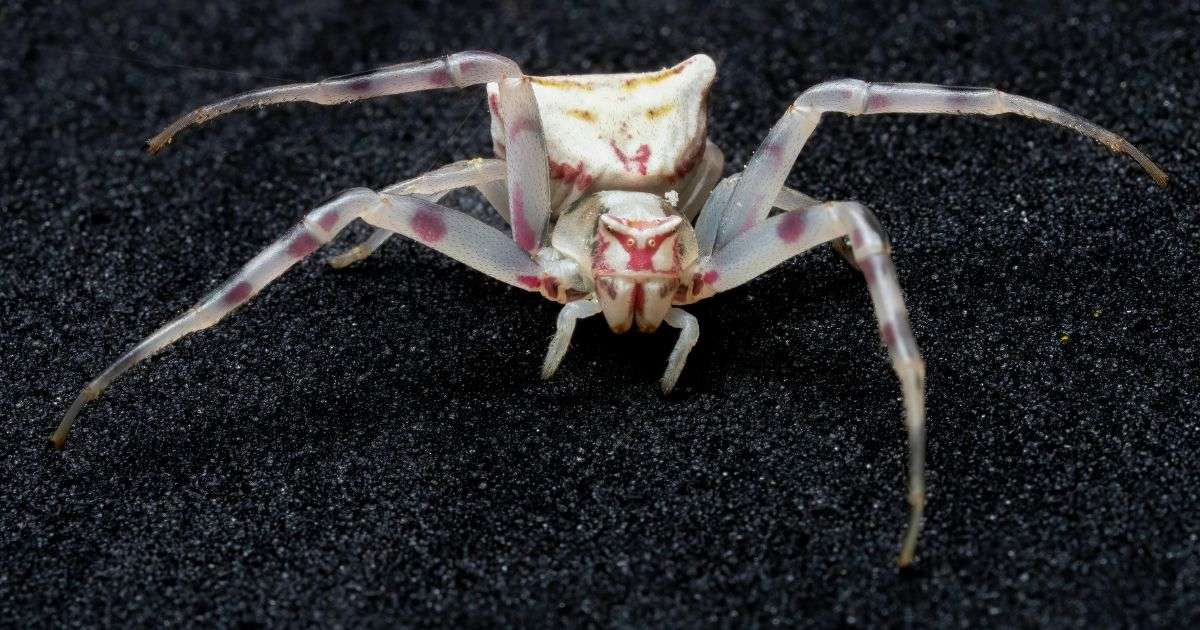
Wolf spiders are one of the most talked-about spiders in the Fraser Valley region of British Columbia. If you live in communities like Abbotsford, Chilliwack, Mission, or Langley, you may have encountered these fast-moving, long-legged spiders in your home or garden. They often startle people with their size and speed, leading to many questions: Are wolf spiders dangerous? How can I identify them? What should I do if I find one in my house? In this blog post, we’ll dive into everything Fraser Valley residents should know about wolf spiders – from their appearance and behavior to myths vs. facts about their bites – and when it might be time to call a pest control professional for help.
Wolf Spider 101: What Are They?
Wolf spiders belong to the family Lycosidae and are common throughout British Columbia, including the Fraser Valley. Unlike orb-weaving spiders that spin webs to catch prey, wolf spiders are ground-dwelling hunters – they chase and pounce on insects rather than trapping them in silk (Wolf spider bite: Symptoms, treatment, and prevention). They have excellent eyesight for a spider, which helps them stalk their prey. In fact, wolf spiders have eight eyes arranged in three rows, with two large prominent eyes that give them surprisingly good vision (Wolf spider – Wikipedia). These spiders are typically solitary and roam alone, usually at night, in search of food. You might spot them outdoors in grassy yards, gardens, and leaf litter, or even lurking in basements and garages where insects are plentiful (Wolf spider bite: Symptoms, treatment, and prevention).
One remarkable trait of wolf spiders is their maternal behavior. Female wolf spiders carry a round silken egg sac attached to their abdomen, and after the spiderlings hatch, the mother often carries the baby spiders on her back for a couple of weeks (Wolf spider – Wikipedia). If you ever see a wolf spider with what looks like a “ball” on her rear or tiny dots on her back, that’s likely a mother with her eggs or babies in tow. This unique parenting strategy is a helpful identifying feature of wolf spiders.
Identifying Wolf Spiders in British Columbia
How can you tell if that creepy-crawly in your Fraser Valley home is a wolf spider or something else? There are a few key identification clues:
- Size & Color: Wolf spiders are medium to large in size. In B.C., their body length can range from about 1 to 3.5 centimeters (0.5 to 1.4 inches), with legs making them appear even larger (Wolf spider – Wikipedia) (Wolf spider bite: Symptoms, treatment, and prevention). They have sturdy, hairy bodies and legs. Most are mottled brown, gray, or tan in color with darker markings (often stripes or spots) that help them blend into dirt and leaf litter. This camouflaged, earth-toned pattern is common since wolf spiders rely on stealth and don’t have bright, flashy colors (Wolf spider – Wikipedia).
- Eyeshine at Night: If you shine a flashlight at night and catch a spider in its beam, a wolf spider’s eyes may glint back at you. Wolf spiders have a special reflective layer (tapetum) in their eyes. People sometimes report seeing tiny blue-green “sparkles” in the grass at night – those are often wolf spiders’ eyes shining back! (Wolf spider – Wikipedia) This eyeshine is a handy way to spot them outdoors in the dark.
- No Webs: Finding no webs is another clue. If a large spider is running freely on the ground or floor and not associated with a cobweb or web nest, it could be a wolf spider. Wolf spiders hunt on foot and do not spin webs to catch prey (Wolf spider bite: Symptoms, treatment, and prevention). (They can produce silk for draglines or to line burrows, but they won’t create the classic spiderweb in a corner.)
- Carries Eggs or Young: As mentioned, a female with an egg sac (a white silk ball at her abdomen) or with babies clinging on her back is definitely a wolf spider – no other spiders in Fraser Valley exhibit this behavior.

- Speed and Movement: Wolf spiders are quick runners. If it scurries in a rapid, zigzag manner when disturbed, it could be a wolf spider. They have strong long legs for sprinting after insects, so you’ll notice their swift, ground-level movement more than climbing. In contrast, some other house spiders might slowly creep or stay on walls and ceilings, which wolf spiders rarely do unless they’re accidentally wandering indoors.
Local lookalikes: In the Fraser Valley, many people initially mistake other large brown spiders for wolf spiders. A common imposter is the giant house spider (Eratigena duellica), which is frequently seen in homes, especially in the fall. Giant house spiders can be bigger in leg span (up to 10 cm across!) and often dart across floors in autumn, leading locals to call them “the big wolf spiders.” However, giant house spiders actually belong to a different family (funnel weavers). They tend to have longer, thinner legs and usually stay near webs or run along baseboards. Wolf spiders, on the other hand, are more likely found at ground level in yards, gardens, and sheds than stuck in your bathtub. Also, giant house spiders do build sheet-like webs (often in basements or garages), whereas wolf spiders do not. If you’re unsure, a pest control professional can help identify the spider – but either way, neither wolf spiders nor giant house spiders are harmful to people (more on that below).
Behavior and Habitat of Wolf Spiders in the Fraser Valley
Wolf spiders are outdoor hunters by nature. In the Fraser Valley’s mix of urban and rural landscape, wolf spiders thrive in grassy fields, gardens, farms, and wooded areas. You might encounter them when turning over rocks or moving piles of wood in your yard – favorite hiding spots for these spiders during the day. They also shelter under logs, leaf piles, or in cracks in soil banks. Some larger wolf spider species even dig small burrows in the ground to rest in. The mild, wet climate of the Fraser Valley means there are plenty of insects and other prey for wolf spiders to eat, so they are quite abundant in this region.
During spring and summer, wolf spiders are actively hunting outdoors. As temperatures drop in autumn, these spiders may wander into houses or garages inadvertently while seeking shelter or following prey. It’s often in late summer or early fall that Fraser Valley homeowners suddenly notice big brown spiders indoors – sometimes prompting the “it’s spider season!” alarm. In many cases, those are indeed wolf spiders or their lookalikes searching for a warm spot as the nights get cooler. Wolf spiders remain active until the first good frost, then typically go into a form of hibernation in winter, re-emerging when weather warms up again in spring (Wild species 2010: chapter 10 – Canada.ca). Because the Lower Mainland winters are relatively mild, some wolf spiders might remain semi-active in sheltered spots year-round, but you’ll see far fewer in the depths of winter.
Another aspect of wolf spider behavior is their hunting style. These spiders don’t sit in one place waiting; they actively patrol for prey. A wolf spider in your garden is likely hunting common pests like earwigs, beetles, crickets, or even other spiders. They are essentially nature’s pest controllers themselves. With their keen eyesight and agility, wolf spiders either ambush their prey or chase it down. If prey is scarce, they will roam farther – which is why one might end up exploring your kitchen floor. The good news is wolf spiders help reduce insect populations around your home. A single wolf spider can eat dozens of mosquitoes, flies, or garden pests over the course of a week. They are beneficial predators in our ecosystem (Wild species 2010: chapter 10 – Canada.ca) (Are there poisonous spiders in BC? – West Coast Traveller).
Despite this benefit, you probably don’t want a large spider startling your family inside the house. Fortunately, wolf spiders do not infest homes in the way ants or cockroaches do – they don’t reproduce or set up colonies indoors. If you see one inside, it’s often a lone hunter that wandered in by mistake (and it would likely prefer to be back outside). Wolf spiders are also not aggressive toward humans by default. They may seem to run toward you, but in reality, they’re either trying to find a hiding spot or they’re disoriented. In fact, they often run away as soon as they sense a person approaching.
Are Wolf Spiders Dangerous? (Myths vs. Facts)
Because of their appearance and quick movements, wolf spiders have earned a scary reputation in folklore. Let’s clear up some common myths and facts about wolf spiders – especially regarding their bite and venom:
- Myth: “Wolf spiders are aggressive and will chase or attack people.”
Fact: Wolf spiders are not out to attack humans. They may run quickly, but that’s usually to escape threats or chase an insect – not to chase you. In truth, a wolf spider’s instinct when encountering a human is to flee. They are fast runners and will scurry away long before biting is even an option (Are there poisonous spiders in BC? – West Coast Traveller). They will only bite a person if trapped against skin or provoked heavily, which is uncommon. - Myth: “Wolf spider bites are deadly (or very dangerous).”
Fact: Wolf spider venom is not dangerous to humans. These spiders do have venom (as all spiders do) but it’s designed to subdue small prey, not to harm large animals like us. A wolf spider bite is typically no worse than a mild bee sting, causing at most some localized pain, redness or swelling (Wolf Spider Control Surrey, Canada | Advance Pest Control) (Wolf Spider Control Surrey, Canada | Advance Pest Control). Medical experts confirm that wolf spider bites do not usually require special medical attention (Wolf spider bite: Symptoms, treatment, and prevention). Most people will only experience minor symptoms like an itchy, discolored bump that clears up on its own (Wolf spider bite: Symptoms, treatment, and prevention). Serious reactions are very rare, and there is no necrotic venom or systemic danger as might be seen with more venomous spiders. - Myth: “If you see a big brown spider in the house, it’s a wolf spider (and it might be poisonous).”
Fact: Many large brown spiders in BC homes are actually giant house spiders or hobo spiders, not wolf spiders. Neither of those are dangerous to humans either – hobos have been reclassified as medically benign (their bites aren’t a serious threat) (Are there poisonous spiders in BC? – West Coast Traveller). Wolf spiders usually stick to ground-level hunting and don’t persist indoors; giant house spiders, by contrast, often dwell inside houses but are harmless houseguests. So, encountering a big brown spider doesn’t mean you’re in danger – it’s likely not a wolf spider, and even if it is, it’s not going to hurt you. - Myth: “Wolf spiders must be killed because they’re bad to have around.”
Fact: Wolf spiders might look intimidating, but they are actually helpful in controlling pests. They eat lots of insects that we consider nuisances or pests (Wild species 2010: chapter 10 – Canada.ca). In gardens and homes, they reduce populations of bugs like flies, moths, and even cockroaches. They are nature’s free pest control. Of course, you still might not want them crawling around your bedroom! But from an ecological standpoint, they are a positive presence. If you can gently relocate a wolf spider outside rather than squish it, that’s a win for the local environment. And remember, they’re not plotting to bite you – given the chance, that wolf spider would rather hide from you than engage.
Another important fact: in all of British Columbia, the only spider with medically significant venom is the Western Black Widow (found mainly in drier interior regions, not commonly in the Fraser Valley’s urban areas). Even black widows are shy and rarely bite unless pressed, but they are the one to be cautious of (Are there poisonous spiders in BC? – West Coast Traveller). Wolf spiders do not have potent venom like that. So when it comes to “are wolf spiders dangerous?” – the answer is no, not to you or your pets. At worst, a bite might feel like a brief bee sting and then itch a bit. Many people live around wolf spiders their whole lives and are never bitten at all.
Wolf Spider Bites: What to Do (and Not Do)
Because fear of bites is a common concern, let’s briefly cover what a wolf spider bite is like and how to handle one if it happens (which, again, is unlikely). A wolf spider will bite only if it feels directly threatened – for example, if you accidentally grab it or trap it against your skin. If you do get a bite, here’s what you might experience and what you should do:
- Bite Symptoms: Typically, a wolf spider bite will cause a red bump at the site, which might become itchy or mildly swollen (Wolf spider bite: Symptoms, treatment, and prevention). You might see two faint puncture marks from the fangs. Some people feel a sharp pinch at the moment of the bite, followed by a bit of pain similar to a wasp or honeybee sting. The area could be tender for a short time. Serious symptoms are very uncommon; wolf spider venom isn’t strong enough to cause systemic issues in a healthy person. If you have an allergy to spider venom (rare), you’d know because you’d develop more intense swelling or other symptoms – in that rare case, seek medical advice.
- First Aid: Treat a wolf spider bite as you would any minor insect bite. Wash the area with soap and water to prevent infection. You can apply a cold pack to reduce swelling, and an anti-itch cream or antihistamine if it’s itchy. Over-the-counter pain relievers can be used if the site is a bit sore. In almost all cases, the symptoms will fade in a day or two without any complications (Wolf Spider Bites: What You Need to Know – WebMD) (How Dangerous Is A Wolf Spider Bite? – FirstAidPro).
- What Not to Do: There’s no need to panic, no need to rush to the ER for a wolf spider bite in normal circumstances. Do not try any dangerous “venom sucking” or cutting the wound – those are unnecessary and potentially harmful. Also, there’s generally no need to kill the spider for identification, but if you safely captured it, you could show it to a professional for confirmation. Otherwise, focus on basic care for yourself; you’ll be fine.
If a bite’s pain persists or you notice anything unusual (very rare), then by all means get medical attention. But for the vast majority of wolf spider encounters, bites are a non-issue. Remember, these spiders would rather run away than use their venom on a person.
Keeping Wolf Spiders Out of Your Home
Wolf spiders may be beneficial outside, but you probably prefer not to share your living room with them. Here are some tips to minimize wolf spiders coming indoors:
- Seal Entry Points: Like any pest, wolf spiders can slip in through gaps under doors, torn window screens, or cracks in foundations. Inspect and seal cracks in your home’s exterior walls and foundation. Use weather stripping on doors and make sure window screens are intact. This will not only keep spiders out but also the insects they chase.
- Reduce Outdoor Attractants: Keep the perimeter of your house tidy. Remove piles of leaves, wood, or debris near the foundation where spiders might hide. Trim back heavy vegetation touching the house and keep windows and exterior surfaces clean. Outside lights can attract insects at night, which in turn attract hungry wolf spiders – consider using yellow “bug lights” or motion-activated lights to reduce constant insect activity near entryways.
- Indoor Cleanliness: Regular vacuuming and cleaning can scoop up any wandering spiders or the insects they prey on. Check seldom-used areas (basements, crawl spaces, storage rooms) occasionally and vacuum up spiders, egg sacs, or webs you find. Less clutter gives spiders fewer hiding spots.
- Natural Deterrents: Some people use natural deterrents like peppermint oil sprays or cedar blocks in basements, which might discourage spiders (anecdotally, spiders seem to dislike strong scents). Results can vary, but it doesn’t hurt as a gentle preventative measure.
Despite all preventative steps, you may still get the odd wolf spider sneaking in – especially in the fall. Don’t panic if you see one. Most of the time it’s a lone hunter and not a sign of any infestation. In fact, if you are seeing a lot of wolf spiders inside, it could indicate you have a robust insect population in your house (they go where the food is). In that case, focusing on insect control will naturally reduce the spiders as well.
What to Do If You Find a Wolf Spider Indoors
So it happens – you spot a wolf spider skittering across the floor. How should a Fraser Valley homeowner handle this situation?
- Stay Calm: Remember that the spider isn’t looking to attack you. It’s likely just as alarmed and is searching for a way to hide. Take a deep breath – you’ve got this! Knowing it’s not dangerous can help reduce the fear factor.
- Don’t Squish if Possible: If you’re not too frightened, consider catching and releasing the spider rather than killing it. Wolf spiders are beneficial outside, so if you can trap it under a cup and slide a piece of paper underneath, you can release it in your garden far from the house. (Pro tip: Wear gloves and long sleeves if it makes you more comfortable. The spider won’t jump at you; it just wants to get away.)
- Use Caution (and a Vacuum) if Needed: If you absolutely don’t want to go near it, you can use a vacuum cleaner with a hose attachment to suck the spider up. Immediately empty the vacuum outside. This usually will kill the spider or at least trap it with no fuss. It’s a bit cruel, but it’s understandable if you’re too spider-phobic for a catch-and-release.
- Observe and Inspect: After dealing with the one spider, take a moment to inspect the area. Was it near a door or window? You might find how it got in. Also check if there are any others (typically not, as wolf spiders don’t cluster, but you might as well do a quick look in nearby corners).
- Prevent Future Visits: Implement the prevention tips mentioned above – seal entry points, reduce insects, etc. This will help reduce the chance of more wolf spiders coming inside.
Most single-spider encounters can be handled without professional intervention. However, if you are constantly finding spiders in your home and it’s becoming a source of stress, it may be time for a bigger solution.
When to Call a Pest Control Professional
Even though wolf spiders themselves aren’t dangerous, not everyone wants to live with arachnid roommates. If you’re seeing wolf spiders (or any unwelcome spiders) frequently in your Fraser Valley home, a pest control company can help you get peace of mind. Here are some scenarios where calling a professional is a good idea:
- Spider Sightings Are Frequent: If you’re killing or removing spiders every week, there may be an underlying issue attracting them. A pest control pro will not only remove spiders but also inspect for insect infestations or conditions that are drawing spiders indoors.
- Possible Dangerous Species: While rare in the Fraser Valley, if you think you’ve spotted a black widow or are unsure about the type of spider and feel it could be risky, it’s better not to get too close. The Bugman Pest Control team is trained in spider identification and can safely handle even the venomous types. Don’t gamble on a guess – get an expert’s eyes on it.
- You Have Arachnophobia or Allergies: Some people have severe fear of spiders or worry about allergic reactions. In such cases, even a harmless wolf spider can cause outsized anxiety. There’s no shame in calling a professional to thoroughly sweep your home for spiders so you can relax. Pros can apply treatments that create a barrier, greatly reducing the chance of spiders coming inside.
- Persistent Spider Webs or Egg Sacs: If you’re noticing lots of spider webs, egg sacs, or baby spiders around (even if they’re not wolf spiders), it might indicate a thriving spider population on your property. A pest control service can knock down these webs, treat the areas, and implement long-term solutions to keep spider numbers in check.
When you call a local pest control company in the Fraser Valley for spiders, they will typically do a targeted treatment around the perimeter of your home and in those dark nooks and crannies where spiders hide. This can dramatically cut down the spider activity. They can also treat basements, garages, and crawl spaces with safe residual products that keep killing spiders (and the insects they feed on) for weeks.
Importantly, professionals will use products and methods that are safe for your family and pets while effectively dealing with the spider issue. At The Bugman Pest Control Services, for example, our technicians will inspect your property, identify the spider species, and apply a tailored treatment plan. We always explain our process and answer any questions, so you feel comfortable in your home again.
For residents in Abbotsford and the greater Fraser Valley, you have local experts on hand. If spiders (or any pests) are making you uneasy at home, don’t hesitate to reach out to a professional. In many cases, a single comprehensive service can solve the problem and “reset” your home’s pest-free status. Given that The Bugman team has over 30 years of experience in Fraser Valley pest control, we’ve seen it all – from harmless house spiders to tricky infestations – and we know how to handle it promptly and effectively.
Internal Links: For more information on professional pest solutions, check out our page on pest control services in Abbotsford which covers how we tackle common local pests. If spiders are specifically your concern, learn about our safe and effective spider control solutions (we service the entire Fraser Valley region). We’re here to help you live pest-free, whether it’s a curious wolf spider or any other creepy-crawly invader.
Conclusion
Wolf spiders can be an intimidating guest to encounter at home, but knowing the facts can make them a lot less scary. To recap: wolf spiders are not dangerous to Fraser Valley residents – they rarely bite, and if they do, it’s no worse than a mild bee sting. These spiders don’t infest homes or attack people; in fact, they prefer to stay outdoors hunting the insects we consider pests. By identifying wolf spiders correctly and understanding their behavior, you can respond calmly when you see one. Keep them outside with some preventative home maintenance, and appreciate that they’re keeping the bug population down in your garden.
If you do find yourself with too many spiders for comfort, or you just want professional reassurance, The Bugman Pest Control is ready to assist. We specialize in spider control and general pest management across the Fraser Valley. Our friendly technicians will handle the issue safely so you can get back to enjoying a spider-free home.
In the end, wolf spiders are a fascinating part of our local ecosystem. When it comes to dealing with them around the house, stay informed, stay calm, and know that help is available if you need it. With the right approach, you can ensure these eight-legged neighbors stay where they belong – outside in nature, not creeping across your kitchen floor!