Ever found yourself dodging an angry wasp and thought, How long do these little guys even live? Whether they’re buzzing a little too close for comfort or you’re just curious about their life cycle, understanding how long wasps stick around can give you some perspective—and maybe even a bit of peace of mind.
Knowing a thing or two about wasp lifespans can help you stay one step ahead when it comes to managing them. Because here’s the thing: it’s not just about how long they live — it’s about what they’re doing during that time. Nesting, stinging, multiplying. All while you’re trying to enjoy your patio, mow the lawn, or send the kids outside.
So, How Long Do Wasps Actually Live?
Let’s get right to it: individual wasps don’t live all that long — but that doesn’t mean your wasp problem will go away on its own.
Wasp Type | Average Lifespan
| Worker Wasps | 12–22 days |
| Drone Wasps | 1–2 weeks |
| Queen Wasps | Up to 12 months |
- Workers are the ones you see zipping around your yard or circling the barbecue. They live short, high-stress lives doing all the heavy lifting for the colony.
- Drones, the males, have one job: mate with a queen. Once they do, they die. Short and not-so-sweet.
- Queens are the big boss. If she makes it through winter, she’ll emerge in spring ready to start a brand-new nest—bringing hundreds of new wasps into your life.
That’s why waiting them out rarely works. Even if the ones you see die off, the cycle restarts as soon as the queen comes back.
Bottom line: Unless the colony — queen and all — is fully eliminated, your wasp problem isn’t over. It’s just regrouping.
🛑 Don’t wait. Call The Bugman Pest Control at 604-854-2847 and we’ll make sure that queen doesn’t see another sunrise.
Why Their Short Lifespan Is Still a Long-Term Problem
You might be thinking, “If wasps only live a couple weeks, why stress about them?”
Fair question — but here’s the catch: it’s not one wasp. It’s the colony, and the colony is a well-oiled, sting-happy machine.
Here’s what makes them a long-term issue:
- A single queen lays dozens of eggs per day.
- Workers emerge on a rolling schedule, so there’s always a new batch.
- A nest can grow from a few dozen wasps to hundreds, even thousands, in just a few weeks.
- If the queen survives the fall, she hibernates in attics, walls, or sheds — starting fresh again in spring.
So while the lifespan of one wasp may be short, the colony’s reign can last months—and if unchecked, years.
What Impacts How Long Wasps Live?
Wasp lifespans vary a bit based on several factors. Let’s break down what affects them:
1. Species Type
There are a few common types you’ll run into in the Fraser Valley and Lower Mainland:
- Yellowjackets: Aggressive and common in garbage bins and ground nests.
- Paper Wasps: More chill, but still sting-happy if provoked.
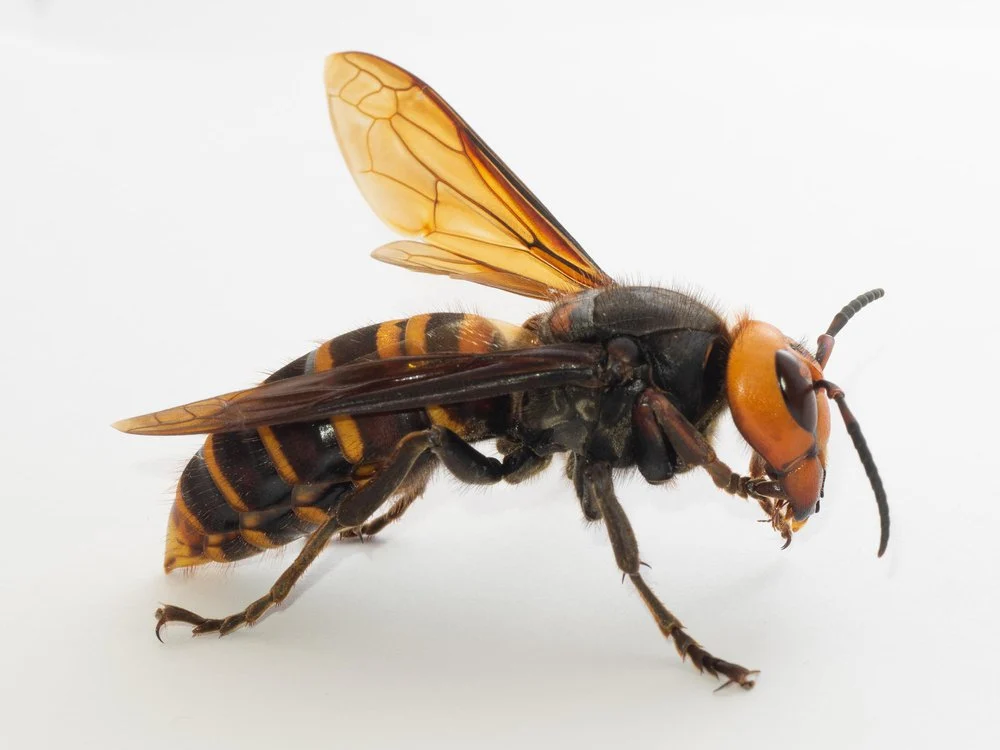
- Hornets: Bigger and more territorial — and their nests grow fast.
Each has a slightly different lifespan, but the lifecycle is largely the same.

2. Climate
In colder climates (or once fall hits), wasp activity slows, and workers begin to die off. But warm weather? That’s wasp heaven. The longer summer stretches, the longer the colony stays active — and the bigger it gets.
3. Food Access
Wasps crave two main things:
- Sugar (fruit trees, pop cans, spilled drinks, hummingbird feeders)
- Protein (meat scraps, dead insects, your BBQ leftovers)
The more food they find, the more energy they have to build, defend, and expand their colony. That’s why unsealed garbage bins and fallen fruit can turn your yard into a wasp hotspot.
4. Predators and Pesticides
Birds, spiders, and other insects can take out a few wasps — but not enough to control a colony.
Professional pest control? That’s another story. A targeted treatment can eliminate a colony in hours, not weeks.
Do Wasps Live Longer Indoors?
Short answer: a little.
Long answer: indoor wasps can live longer than their outdoor cousins — especially if they find food and don’t face predators or extreme temperatures.
This is especially problematic with queen wasps. If one sneaks into your attic, crawlspace, or garage, she might hibernate in peace all winter.
Then spring hits. She wakes up. And suddenly you’ve got a brand-new nest forming behind your siding or in the ceiling.
Winter wasp sightings aren’t random — they’re red flags.
If you see a wasp indoors between November and March, don’t ignore it. That could be a queen looking for a safe place to restart the cycle.
Wasp Lifecycle: How a Single Queen Becomes a Swarm
Understanding the wasp lifecycle makes it clear why fast action is key. Here’s how it unfolds:

- Egg Stage
The queen lays eggs — lots of them. They hatch in 3–5 days. - Larva Stage
Larvae are fed by the queen or workers with insects and protein-rich food. This lasts around two weeks. - Pupa Stage
Larvae spin a cocoon and develop into adult wasps over another 1–2 weeks. - Adult Stage
New workers emerge, ready to expand the colony and protect the queen. Later in the season, new queens and drones are produced.
This cycle repeats throughout spring and summer. By late summer, a small early-season nest can turn into a thriving swarm that’s hard to ignore.
What to Do If You Spot Wasps or a Nest
If you’re seeing:
- Wasps flying in and out of the same hole in your siding
- Nest material (paper-like, round) tucked in a corner of the eaves
- Buzzing around garbage, compost, or fruit trees daily
Then odds are high there’s a nest nearby — or one forming.
Here’s what NOT to do:
Don’t block the entrance — it can force them into your house.
Don’t spray over-the-counter aerosol blindly — it angers the colony.
Don’t knock the nest down — ever. That’s asking for stings. Lots of them.
Instead:
Keep a safe distance
Warn family, guests, or neighbors
Call in the pros
📞 Call The Bugman Pest Control at 604-854-2847
Our Proven Wasp Control Process
At The Bugman Pest Control, we take wasps seriously. Our expert technicians know how to deal with aggressive nests, hidden queens, and recurring infestations.

Here’s how we handle it:
- Thorough Inspection: We locate all active and potential nest sites.
- Targeted Treatment: Fast-acting applications to eliminate the entire colony.
- Queen Removal: We make sure she doesn’t come back next year.
- Nest Disposal: Safe removal or neutralization of visible nests.
- Prevention Advice: We’ll help you seal off entry points and reduce attractants like open compost, water sources, and fruit trees.
This isn’t just a one-time fix. We aim to prevent the next infestation before it even starts.
Final Takeaway
Wasps may only live a few weeks, but their impact can last all season — or longer if the queen survives.
If you’re already seeing signs of wasps — or even just one flying around your living room in January — it’s time to take action.
Don’t wait until the colony gets bigger, bolder, and harder to control.
🛑 Call The Bugman Pest Control today at 604-854-2847
Let us handle the nest — and your peace of mind.
Sources
- https://www.maine.gov/dacf/php/gotpests/bugs/bees-wasps.htm
- https://www.epa.gov/ipm/bees-and-wasps-and-schools
- https://www.fs.usda.gov/wildflowers/pollinators/animals/wasps.shtml
- https://www.maine.gov/dacf/php/gotpests/bugs/factsheets/yj-paper-wasps-wash.pdf
- https://agr.georgia.gov/yellow-legged-hornet