Spotting a house centipede scurrying across your bathroom floor at night is enough to make anyone jump. With their numerous long legs and lightning-fast movements, these unsettling creatures are among the most common household pests across Canada. While centipedes actually help control other insect populations, most homeowners understandably want them gone.
This comprehensive guide covers everything you need to know about centipede removal, from identification and prevention to effective elimination methods that work in Canadian homes.
What Are House Centipedes?
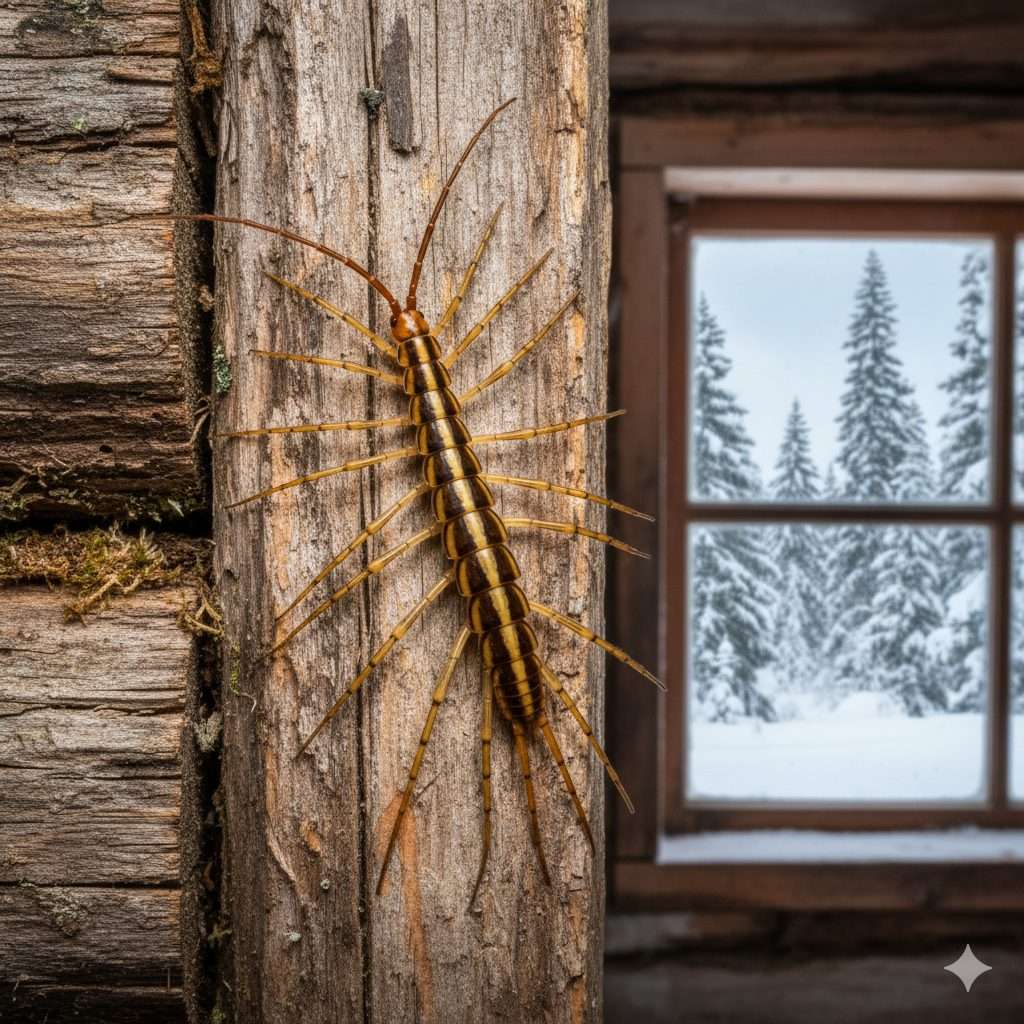
House centipedes (Scutigera coleoptrata) are the most common centipede species found in Canadian homes. Originally from Mexico, they’ve become widespread throughout North America and are now found in all provinces across Canada.
Key Identification Features:
- Grayish-yellow body with three dark longitudinal stripes
- 15 pairs of extremely long legs as adults
- Body length of 25-38 mm (1-1.5 inches)
- Long antennae extending beyond the body
- Flattened, segmented body
- Capable of moving at remarkable speeds
Unlike insects, centipedes lack a waxy outer cuticle, making them susceptible to water loss. This explains why they constantly seek damp, humid environments.
Why Do You Have Centipedes in Your House?
Understanding what attracts centipedes is the first step toward effective removal. House centipedes invade homes for three primary reasons:
Moisture and Humidity
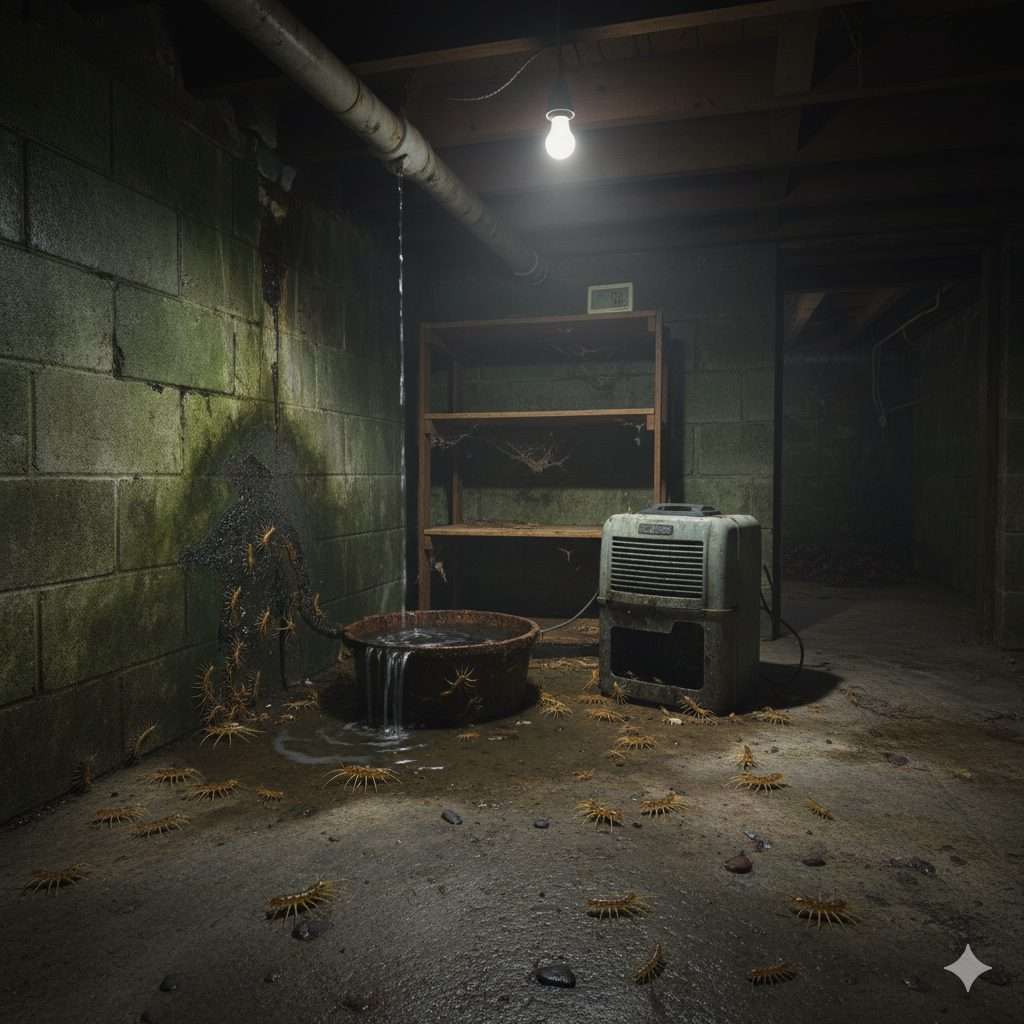
Centipedes need moisture to survive. They’re drawn to:
- Damp basements and crawl spaces
- Bathrooms with poor ventilation
- Areas with water leaks or flooding
- Homes with humidity levels above 50%
Abundant Food Supply
As predators, centipedes follow their prey. They feed on:
- Spiders
- Cockroaches
- Silverfish
- Carpet beetles
- Ants
- Bed bugs
- Moth larvae
- Other centipedes
Important: If you’re seeing centipedes frequently, it may indicate you have an underlying insect problem that’s attracting them.
Easy Entry Points
Centipedes can squeeze through surprisingly small openings:
- Cracks in foundation walls
- Gaps around windows and doors
- Openings around pipes and utility lines
- Worn weather stripping
- Basement windows without proper seals
Are Centipedes Dangerous?
House centipedes possess venom glands and can technically bite, but they’re not dangerous to humans. Here’s what you need to know:
- Their fangs are generally too small to penetrate human skin
- If they do bite (extremely rare), it feels similar to a mild bee sting
- The bite may cause temporary redness and itching
- Symptoms typically disappear within a few hours
- They pose no threat to children or pets
- They’re not aggressive and will flee when encountered
Despite being harmless, their appearance alone is reason enough for most people to want them removed from their homes.
How to Find a Centipede Nest

Centipedes don’t actually create nests like social insects. They’re solitary creatures that hide during the day and hunt at night. However, you’ll typically find them concentrated in certain areas:
Common Hiding Spots:
- Dark basement corners
- Behind baseboards
- Under bathroom sinks
- In bathtubs and drains
- Behind water heaters
- In crawl spaces
- Under stored boxes and clutter
- Beneath piles of firewood indoors
- In cement block walls
- Inside floor drains
Signs of Centipede Activity:
- Frequent sightings, especially at night
- Molted exoskeletons (shed skins)
- Presence of their prey insects
- Seeing them emerge from cracks or drains
What Time of Year Are Centipedes Most Active?
Centipede activity follows seasonal patterns:
Fall (September-November): Peak invasion season as temperatures drop and centipedes seek warmth and shelter indoors for winter.
Spring (March-May): Secondary activity increase as they become more active with warming temperatures.
Summer: Less likely to invade as outdoor conditions are favorable, though they remain active in cool, damp indoor areas.
Winter: Continue living indoors in heated spaces, less active but still present.
How to Get Rid of Centipedes Forever

Complete centipede removal requires a multi-pronged approach addressing moisture, food sources, and entry points. Here’s your step-by-step action plan:
Immediate Removal Methods
Use Sticky Traps Place glue traps in areas where you’ve seen centipede activity. Position them:
- Along baseboards
- In bathroom corners
- Near drains
- In basement areas
- Behind furniture
Vacuum Regularly Use a high-powered vacuum to physically remove centipedes and their prey:
- Vacuum daily in problem areas
- Focus on cracks and crevices
- Empty the vacuum immediately outside
- Check behind appliances and furniture
Apply Diatomaceous Earth This non-toxic powder is highly effective for centipede control:
- Made from crushed microscopic marine fossils
- Scratches the centipede’s outer layer
- Causes dehydration and death
- Safe for humans and pets
- Apply in cracks, crevices, and along baseboards
- Reapply after cleaning or if it gets wet
Natural Centipede Repellents
Essential Oils Certain essential oils repel centipedes effectively:
- Peppermint oil (most effective)
- Tea tree oil
- Lavender oil
- Eucalyptus oil
Mix 10-15 drops with water in a spray bottle and apply around entry points, baseboards, and problem areas.
Boric Acid When used carefully, boric acid can eliminate centipedes:
- Apply thin layers in cracks and behind appliances
- Keep away from children and pets
- Avoid excessive application
- Effective for long-term control
Vinegar Solution While not a permanent solution, vinegar can kill centipedes on contact:
- Mix equal parts white vinegar and water
- Spray directly on centipedes
- Clean drains with vinegar to eliminate odors that attract insects
Moisture Control Strategies
Reducing moisture is critical for permanent centipede removal:
Install Dehumidifiers
- Target humidity levels below 50%
- Run dehumidifiers in basements and crawl spaces
- Empty collection tanks regularly
- Consider whole-home dehumidification systems
Improve Ventilation
- Run bathroom exhaust fans for 5-10 minutes after showering
- Install additional ventilation in problem areas
- Keep air circulating in basements
- Open windows when weather permits
Fix Water Issues
- Repair leaky pipes immediately
- Address foundation cracks causing moisture
- Ensure proper drainage around your home
- Fix roof leaks
- Seal basement walls if needed
Ensure Proper Grading
- Ground should slope away from your foundation
- Prevent water pooling near your home
- Keep gutters clean and functional
- Extend downspouts away from the foundation
Seal Entry Points
Preventing centipedes from entering is essential:
Foundation and Wall Repairs
- Seal cracks in foundation walls with hydraulic cement
- Caulk crevices and gaps
- Repair damaged mortar between bricks
- Fill holes around utility penetrations
Windows and Doors
- Install or replace weather stripping
- Add door sweeps to exterior doors
- Repair torn window screens
- Caulk gaps between window sills and screens
- Ensure screens fit tightly in frames
Basement Protection
- Cover floor drains with mesh screens
- Seal around basement windows
- Install window well covers
- Check for gaps around basement doors
Eliminate Food Sources
Remove the insects that attract centipedes:
General Pest Control
- Address any existing insect infestations
- Use appropriate treatments for spiders, ants, and other prey
- Keep your home clean and clutter-free
- Store food in sealed containers
- Take garbage out regularly
Reduce Clutter
- Remove boxes and stored items from floors
- Organize basements and storage areas
- Eliminate hiding places for insects
- Keep areas clean and accessible
Outdoor Prevention
Control centipede populations outside your home:
Landscape Management
- Move mulch, compost, and wood piles away from your foundation (at least 30 cm/12 inches)
- Remove leaf litter and debris near the house
- Keep flower beds well-aerated and avoid overwatering
- Trim vegetation away from exterior walls
- Remove rocks, boards, and other objects near the foundation
Firewood Storage
- Stack firewood on a platform off the ground
- Store it away from the house
- Shake individual logs before bringing them inside
- Don’t store firewood in basements or garages
Outdoor Lighting
- Use yellow or sodium vapor lights that attract fewer insects
- Position lights away from entry points
- Consider motion-sensor lighting
Will House Centipedes Crawl in Your Bed?
This is a common fear, but it’s quite rare. House centipedes:
- Are not attracted to beds
- Prefer damp areas, not dry bedrooms
- Hunt for prey in other locations
- Avoid human contact when possible
- Are nocturnal but won’t seek out beds
If you find a centipede in your bedroom, it likely wandered in by accident while hunting or seeking a hiding spot. Reduce moisture and seal entry points to prevent this.
How to Permanently Get Rid of House Centipedes
Achieving permanent centipede control requires consistent maintenance:
Long-Term Prevention Strategy
Monthly Tasks:
- Inspect basement and bathroom areas
- Check and maintain dehumidifiers
- Vacuum problem areas thoroughly
- Monitor sticky traps and replace as needed
- Reapply diatomaceous earth in treated areas
Seasonal Tasks:
- Deep clean basements and storage areas (spring and fall)
- Inspect exterior for new cracks or gaps (spring)
- Check weather stripping and caulking (before winter)
- Clean gutters and ensure proper drainage (fall and spring)
- Remove outdoor debris and trim vegetation (ongoing)
Annual Tasks:
- Professional pest inspection
- Foundation crack repair if needed
- Update weather stripping and door sweeps
- Assess and improve drainage systems
Monitoring for Success
Track your progress:
- Count centipede sightings weekly
- Check sticky traps regularly
- Monitor humidity levels
- Watch for signs of other insect activity
- Document areas where you find centipedes
You should see significant reduction within 2-4 weeks of implementing these strategies.
When to Call Professional Pest Control
While many homeowners can handle minor centipede problems, professional help is recommended when:
- You’re seeing centipedes daily despite DIY efforts
- You find large numbers of centipedes
- You’ve discovered a significant moisture or structural problem
- You have an underlying insect infestation attracting centipedes
- DIY methods haven’t worked after 4-6 weeks
- You’re uncomfortable handling pest control yourself
- You have health concerns or allergies to pest control products
What Professional Pest Control Offers
Professional centipede removal services provide:
Comprehensive Inspection
- Identify entry points you may have missed
- Locate moisture sources and structural issues
- Assess the severity of infestation
- Identify any underlying pest problems
Multi-Method Treatment
- Combination of residual insecticides, dusts, and baits
- Treatment of inaccessible areas
- Both interior and exterior perimeter protection
- Safe application of professional-grade products
Preventative Measures
- Entry point sealing recommendations
- Moisture control advice
- Ongoing monitoring systems
- Seasonal follow-up treatments
Guaranteed Results
- Treatment guarantees and warranties
- Follow-up visits included
- Long-term protection plans
- Expert advice and support
Centipedes vs. Millipedes: What’s the Difference?
Many people confuse these two creatures. Here’s how to tell them apart:
Centipedes:
- One pair of legs per body segment
- Flattened body
- Fast-moving predators
- Carnivorous (eat insects)
- Fewer total legs despite the name
- Longer legs relative to body
- Can bite (though rarely harmful)
Millipedes:
- Two pairs of legs per body segment
- Rounded cylindrical body
- Slow-moving
- Feed on decaying plant matter
- Can have up to 400 legs
- Shorter legs relative to body
- Cannot bite (may secrete defensive fluid)
Control methods differ: While moisture control works for both, millipedes require more focus on removing decaying organic matter, while centipedes need pest control to eliminate their food sources.
Common Questions About Centipede Removal
How do I get rid of centipedes in my house naturally
Focus on moisture reduction using dehumidifiers, seal entry points, apply diatomaceous earth, use essential oil sprays, eliminate clutter, and control their food sources by addressing other pest issues.
How do I get rid of centipedes in my house naturally?
Focus on moisture reduction using dehumidifiers, seal entry points, apply diatomaceous earth, use essential oil sprays, eliminate clutter, and control their food sources by addressing other pest issues.
What smell keeps centipedes away?
Centipedes dislike peppermint, tea tree, lavender, and eucalyptus essential oils. Spray these around baseboards, entry points, and problem areas. Reapply weekly for best results.
Does vinegar get rid of centipedes?
Vinegar kills centipedes on direct contact but isn’t a long-term solution. It’s useful for immediate kills and cleaning drains but won’t prevent future infestations.
Why does my house keep getting centipedes?
Persistent centipede problems usually indicate high moisture levels, multiple entry points, abundant prey insects, or a combination of these factors. Address the root causes for permanent control.
Do centipedes indicate a clean or dirty house?
Centipedes don’t necessarily indicate a dirty home. They indicate moisture, prey insects, and accessible entry points. However, reducing clutter and maintaining cleanliness helps eliminate hiding spots and food sources.
Can I prevent centipedes without chemicals?
Absolutely. Moisture control, sealing entry points, diatomaceous earth, sticky traps, regular vacuuming, and essential oils provide effective chemical-free centipede control.
How long does it take to get rid of centipedes?
With comprehensive treatment addressing moisture, entry points, and food sources, you should see significant reduction within 2-4 weeks. Complete elimination may take 6-8 weeks as you break the breeding cycle and exhaust the indoor population.
Professional Centipede Removal in the Fraser Valley
At The Bugman, we understand how unsettling centipede infestations can be. Based in Abbotsford and serving the entire Fraser Valley, our experienced team specializes in effective, long-lasting centipede control.
Our Comprehensive Service Includes:
- Thorough property inspection
- Multi-method treatment approach
- Moisture assessment and recommendations
- Entry point identification and sealing advice
- Treatment of underlying pest issues
- Follow-up visits to ensure complete elimination
- Seasonal protection strategies
- Guaranteed results
Don’t let centipedes take over your home. Our proven three-part treatment system combines residual insecticides, environmental modifications, and ongoing prevention to eliminate centipedes quickly and keep them gone for good.
Contact The Bugman today for a free consultation and reclaim your peace of mind.
Final Thoughts
Getting rid of centipedes permanently requires patience and a comprehensive approach. While these creatures actually help control other household pests, their unsettling appearance makes them unwelcome guests in most homes.
The key to success lies in addressing the three factors that attract centipedes: moisture, food sources, and entry points. By implementing the strategies outlined in this guide—reducing humidity, sealing gaps, eliminating prey insects, and maintaining vigilant prevention—you can achieve and maintain a centipede-free home.
Remember that centipedes are generally harmless and actually beneficial, but we completely understand wanting them out of your living space. Whether you tackle the problem yourself or call in professional help, the methods described here will help you win the battle against these multi-legged invaders.
Stay persistent, monitor your progress, and don’t hesitate to call professional pest control if the problem persists. With the right approach, you can enjoy a comfortable, centipede-free home year-round.