Commercial Pest Control for Fraser Valley Restaurants: What BC Health Inspectors Actually Check For

Understanding Restaurant Pest Control Requirements in the Fraser Valley
For Fraser Valley restaurant owners, effective pest control is essential for success in health inspections, daily operations, and long-term reputation. A single pest sighting can lead to citations, follow-up inspections, or even temporary closure under Fraser Health regulations. Pest management is not treated as a minor issue, but as a core food safety requirement.
This guide explains what inspectors actually look for, which pests most often cause violations in the Fraser Valley, and what a professional commercial pest control program needs to include to keep your restaurant compliant year-round.
Why Restaurant Pest Control Is a Health Inspection Category on Its Own

For Fraser Valley restaurant operators, pest control is not just a background maintenance task. It is a scored component of every health inspection conducted by Fraser Health, and it directly affects whether your business remains open. Pest-related violations are often classified as critical infractions, which means they can result in immediate corrective orders or even temporary closure.
The regional authority overseeing these inspections is Fraser Health, which covers Abbotsford, Chilliwack, Mission, Langley, and surrounding areas. Their standards are clearly outlined through resources like Fraser Health pest management, which emphasizes prevention, monitoring, and documentation as core requirements for food service operators.
Unlike general cleanliness issues, pest activity signals a breakdown in multiple areas, including sanitation, structural integrity, and food safety practices. Inspection results are publicly posted, meaning any pest-related infraction becomes visible to customers searching for your restaurant online.
What Fraser Health inspectors are specifically looking for
Environmental Health Officers in BC assess restaurants under the BC Food Premises Regulation, which sets strict standards for sanitation and pest control. Inspectors focus on clear, observable indicators of pest activity. This includes droppings, gnaw marks on packaging, grease trails along walls, and the presence of live or dead pests. They also assess structural vulnerabilities such as gaps around doors, pipes, or vents that allow pests to enter.
Food storage is another critical factor. Ingredients must be sealed, stored off the floor, and kept away from walls. Inspectors will also expect to see documentation from a licensed pest control provider, along with evidence of an active monitoring program.
What Fraser Health inspectors are specifically looking for
Infractions are categorized as minor, major, or critical. Pest presence often falls into the most severe category. Depending on the situation, outcomes may include a correction order, a required follow-up inspection, or temporary closure of the establishment.
Because inspection reports are publicly accessible, even a single pest-related citation can impact customer trust almost immediately.
The Pests Most Likely to Cost You a Fraser Valley Restaurant Inspection
Not all pests are treated equally during inspections. In Fraser Valley restaurants, three categories consistently account for the majority of violations: rodents, cockroaches, and flies.
Rats and mice are the most common cause of critical pest-related infractions in BC food service environments. The Fraser Valley’s agricultural surroundings, particularly areas like Sumas Prairie and Bradner, create constant rodent pressure on commercial properties.
Inspectors look for signs of activity such as droppings near food storage, gnaw marks on packaging, and visible rodent pathways along walls.
Modern rodent control must also account for provincial restrictions. BC Rodenticide Regulations have shifted many programs toward controlled baiting systems and non-poison alternatives. The Bugman uses professional-grade equipment such as Bell Labs systems and offers poison-free solutions where needed, which is particularly relevant in food environments.

Cockroaches, especially German cockroaches, are a persistent issue in commercial kitchens. They hide behind appliances, inside wall voids, and around drains, making them difficult to detect without professional inspection.
Inspectors look for live insects, egg casings, and small dark fecal spots in hidden areas. Even a single visible cockroach can escalate into a public relations problem if it is captured and shared online. Unlike some pests, cockroach infestations rarely resolve without targeted professional treatment.
Flies are often the first pest customers notice. Fruit flies and drain flies breed in organic buildup inside floor drains and areas with standing water, both of which are common in busy kitchens.
While not always classified as critical, ongoing fly activity still results in inspection findings. Effective fly control involves proper sanitation, drain cleaning, and biological treatments.
What a Professional Commercial Pest Control Program Actually Looks Like

A proper commercial pest control Fraser Valley program is built around Integrated Pest Management, or IPM. This approach focuses on long-term prevention rather than reactive treatment.
A complete program includes inspection, monitoring, exclusion, treatment, and documentation. Initial inspections identify risk areas, while ongoing monitoring uses discreet devices such as bait stations and traps to track activity. Exclusion work addresses structural gaps that allow pests to enter, and targeted treatments eliminate active infestations.
Documentation is a critical component. Restaurants must be able to provide service records during inspections, showing that a licensed provider is actively managing pest risks. This includes reports, treatment logs, and follow-up recommendations.
Scheduled visits, typically monthly, are far more effective than one-time treatments. Restaurants operate in environments that constantly attract pests, so prevention requires consistency.
The Bugman’s maintenance programs are designed around this model. They include regular checkups, preventive treatments, and clear documentation. Technicians provide aftercare guidance and follow-up visits, ensuring that issues are addressed before they escalate. Services are also conducted discreetly, often outside business hours, to minimize disruption
Why Choose The Bugman for Restaurant Pest Control in the Fraser Valley
Fraser Valley restaurant owners have many pest control options, but not all are equipped to handle the demands of commercial food service environments. The Bugman has been serving the region since 2006, with roots going back to 1994, bringing over 30 years of combined experience.
What sets us apart is local knowledge. Our technicians live and work in Abbotsford, Mission, Chilliwack, and Langley, and understand the specific pest pressures that affect restaurants in this region. This includes agricultural-driven rodent activity, seasonal fly issues, and the structural challenges of older commercial buildings.
We use professional-grade products and equipment, including Bell Labs systems for rodent control and targeted insect treatments like Dragnet. These are not consumer-level solutions, but tools designed for high-risk commercial environments.
Maintenance programs are tailored to each restaurant, with scheduled visits, monitoring systems, and preventive strategies that align with what inspectors expect to see. For operators concerned about chemical exposure, poison-free rodent control options are also available.
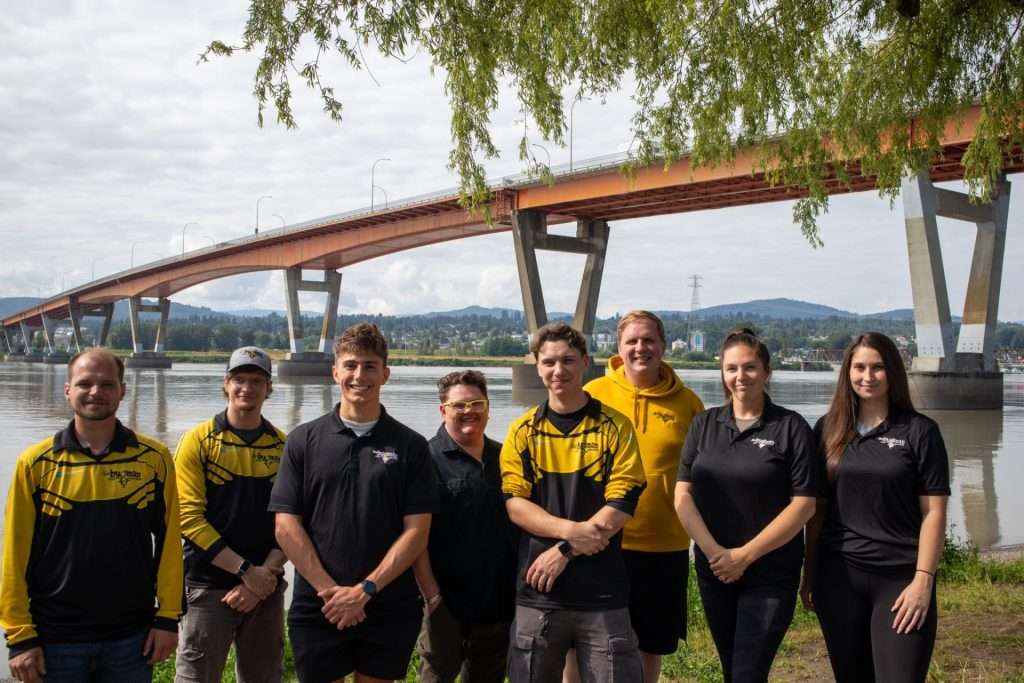
The Bugman is a family-run business, founded by Nigel Clark and now operated by Bryce and Raelyn. That local ownership translates into accountability and consistent service across the Fraser Valley.
Ready to set up a commercial pest control program for your Fraser Valley restaurant? Contact The Bugman for a free quote.
Keep Your Kitchen Clean, Compliant, and Protected
Pest control is not the most visible part of running a restaurant, but it is one of the most critical. A well-structured commercial pest control Fraser Valley program protects your inspection results, your reputation, and your ability to operate without disruption. The Bugman has been supporting local businesses for decades, and our approach is built around what works in this region.
Ready to get started? Contact The Bugman today for a free commercial pest control quote in the Fraser Valley.
Table of Contents
Related Blogs


Frequently Asked Questions About Restaurant Pest Control in BC
What do BC health inspectors actually look for when it comes to pest control in restaurants?
Inspectors assess pest control as part of every food service inspection. They look for evidence such as droppings, gnaw marks, grease trails, and live or dead pests. They also evaluate structural entry points, food storage practices, and whether a licensed pest control provider is actively monitoring the premises with proper documentation.
How often does a Fraser Valley restaurant need professional pest control visits?
Most restaurants benefit from monthly service. The Fraser Valley’s climate and surrounding agricultural activity create year-round pest pressure. Regular visits provide consistent monitoring and preventive treatment, which helps avoid infestations and ensures documentation is always up to date for inspections.
Can pest control treatments be done safely in a kitchen that handles food?
Yes. Professional pest control services use targeted applications and secure placement methods designed for food environments. Treatments are typically scheduled outside operating hours, and technicians provide clear instructions to ensure safe re-entry and continued compliance.
What’s the difference between a one-time pest treatment and a maintenance program?
A one-time treatment addresses an existing issue, while a maintenance program prevents future problems. Restaurants require ongoing monitoring, exclusion work, and documentation. Maintenance programs provide all of these elements, making them the preferred approach for long-term compliance.
What should I do if a customer reports seeing a pest in my Fraser Valley restaurant?
Act immediately. Contact your pest control provider the same day to arrange an inspection. Document the sighting, review internal conditions, and respond professionally if the issue appears online. Quick action helps contain the problem and demonstrates accountability.