Why Spiders Show Up in Fraser Valley Homes
Spiders are usually drawn to homes by three things:
- A steady supply of insects to feed on
- Shelter from wind, rain, and predators
- Easy access through small gaps and openings
You’ll often notice more spiders in late summer and fall, which is peak “spider season” in the Fraser Valley. When the weather cools, insects start moving closer to houses, and spiders tag along, because if the bugs are moving in, why not?
When Spiders are Most Active and Why they Come Inside
Spiders become more noticeable in the Fraser Valley in late summer and fall because:
Many species are mature and actively hunting or mating.
Cooler nights make warm homes look like a five‑star hotel.
Insects they feed on are moving closer to houses, right along the foundations and under the eaves.
If you suddenly see more webs around windows, basements, and garages in the fall, it’s not your imagination, it’s spider season showing up uninvited.
Where Spiders Like to Hide Indoors
Spiders are the ultimate interior decorators for dark, quiet corners. Inside your home, they love to hang out in:
Ceiling corners and baseboards
Window and door frames and tracks
Basements, garages, and crawl spaces
Attics and closets full of boxes or old clothes
Behind furniture, appliances, and wall hangings
Under beds and in storage areas you rarely use
If you scream and then see a web, there’s a good chance one of these spots is hiding the main spider Headquarters.
Why DIY Repellents Bother Spiders (they “taste” their path)
Spiders don’t taste with their mouth the way we do; instead, they “taste” and “smell” the world through tiny sensory organs at the tips of their legs. When you spray non‑toxic options like vinegar or essential oils onto baseboards, window frames, and other entry points, spiders can literally sense those strong smells and tastes through their feet as they try to walk across the surface.
How Spiders Enter Your Home in the Fraser Valley
Even with great DIY efforts, spiders can still walk in through:
Gaps around doors and windows
Cracks in foundations and siding
Utility lines entering the house
Vents, soffits, and damaged screens
If you notice more spiders along one side of your home, near the garage, or around sliding‑door tracks, it usually means your exterior is giving them VIP access.
What Outside Features Attract Spiders
Spiders love the outside of your home, especially around these features:
Thick vegetation touching the house (shrubs, ivy, overgrown hedges)
Piles of leaves, wood, or debris near the foundation
Outdoor lights that attract insects
Unsealed vents, soffits, and window trim
Cracks in siding and gaps around utility lines
Keeping these areas tidy, trimming plants away from the house, and adjusting outdoor lighting can make it less welcoming to spiders.
Safe DIY and Non‑Toxic Spider Control Methods
Vacuuming and Cleaning Webs
WHAT IT DOES
Removes spiders, webs, and egg sacs from high‑risk areas.
WHY IT HELPS
A clean, tidy home is less appealing to spiders and easier for you to monitor.
WHY IT DOESN’T LAST
New spiders can still walk in if gaps are open and bugs are present.
Reducing Clutter and Storage Cover
WHAT IT DOES
Taking away cardboard boxes, piles of clothes, and unused items removes hiding spots.
WHY IT HELPS
Spiders are shy; they like “no one‑ever‑comes‑here” zones. Reduce those zones, and you reduce their comfort.
WHY IT DOESN’T LAST
If gaps around the home aren’t sealed or insects remain, spiders will find new hideouts somewhere else.
Vinegar‑Based Sprays
WHAT IT DOES
A simple mix of vinegar and water can be sprayed along baseboards, window frames, and other entry points.
WHY IT HELPS
The smell and mild acidity can deter some spiders and may even kill them on contact if sprayed directly.
WHY IT DOESN’T LAST
Vinegar evaporates quickly and doesn’t create a long‑lasting barrier. It’s more of a “reset button” than a permanent guard.
Essential‑Oil or Citrus Sprays
WHAT IT DOES
Sprays with peppermint, eucalyptus, tea tree, or citrus essential oils can be used around doors, windows, and baseboards.
WHY IT HELPS
Strong scents can bother some spiders, creating a “keep out” vibe at entry points.
WHY IT DOESN’T LAST
The scent fades fast and needs regular reapplication. It also won’t stop spiders from crawling in if gaps and insect food sources remain.
Diatomaceous Earth in Hidden Spots
WHAT IT DOES
Food‑grade diatomaceous earth can be lightly dusted under furniture, behind appliances, or in wall gaps.
WHY IT HELPS
DE damages the exoskeleton of spiders (and insects) on contact, acting like a microscopic scribble of sandpaper.
WHY IT DOESN’T LAST
It must stay dry and undisturbed. Vacuuming, moisture, or heavy foot traffic can remove it, so it needs regular maintenance.
Cedar Blocks or Cedar Oil
WHAT IT DOES
Cedar‑scented blocks or cotton balls can be placed in closets, basements, or storage areas.
WHY IT HELPS
Some people report fewer spiders in areas where cedar is used, likely due to the strong scent.
WHY IT DOESN’T LAST
The scent weakens over time, and it doesn’t replace sealing gaps or reducing insect populations.
When The Bugman Spider Treatment Helps
If you’re dealing with heavy webbing, frequent sightings, or spiders that keep coming back around windows and doors, DIY methods often feel like using a squirt gun on a forest fire. The Bugman can help with a more reliable, long‑term strategy tailored to Fraser Valley homes.
Exterior Pesticide Barrier
We apply a safe, targeted pesticide to the exterior of your home in all the common entry zones:
Around windows and doors
Foundation lines and weep holes
Soffits, eaves, and vents
Garage and patio entry points
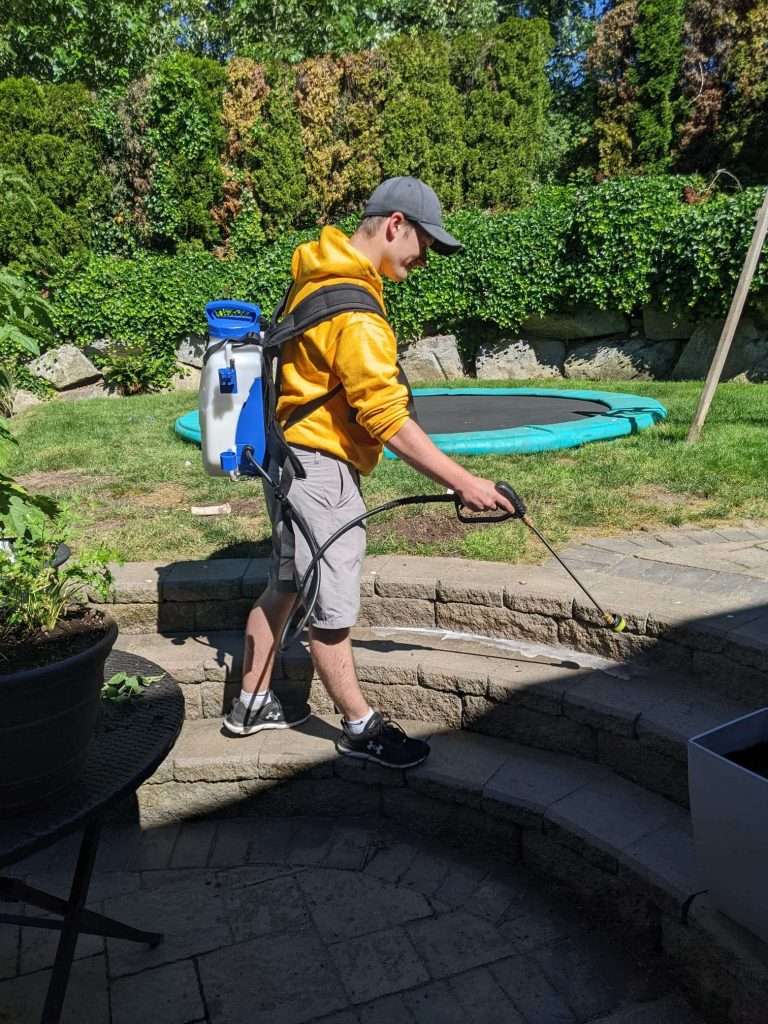
Once the treatment dries, it creates a residual barrier. When spiders try to walk into your home, they cross this treated zone and either die or get turned around. It’s like giving your house a “no spiders allowed” moat, spiders approaching the front door meet their match before they even get inside.
Interior Second Layer of Defence
If any spiders manage to sneak past the exterior barrier, we can add a second layer of defence indoors in high‑risk areas like:
Basements
Garages
Crawl spaces
Window and door frames
This interior treatment helps ensure that any spiders that slip by will not survive long inside your living spaces.
De‑Webbing Service
We also offer de‑webbing as part of our spider solutions. That means we’ll carefully remove existing webs, egg sacs, and debris from corners, ceilings, and other problem spots so your home looks cleaner and feels less spider‑friendly. It’s like a deep‑clean spa day for your home, minus the cucumber slices.

Why Seasonal Treatment Matters in the Fraser Valley
Spiders are most likely to move indoors in late summer and fall, when they’re hunting, mating, and looking for shelter before colder weather arrives.
By timing your treatment before the peak season, you can:
- Block entry points before spiders start line‑dancing their way indoors
- Reduce the number of insects spiders feed on around your home
- Minimize the need for constant DIY cleanup and spot‑treating all year
Fraser Valley homeowners in Chilliwack, Abbotsford, Langley, and surrounding communities often see the best results with a late‑summer or early‑fall prevention plan from The Bugman.
Reliable Spider Solutions for Homes in the Fraser Valley
Call The Bugman today and let us help you keep your Fraser Valley home feeling cleaner, safer, and spider‑free.
Frequently Asked Questions
What attracts spiders into my Fraser Valley home?
Spiders are drawn to insects, clutter, and easy access. Cracks around doors and windows, storage areas, and outdoor lights that attract bugs all make your home more inviting.
Do vinegar or essential‑oil sprays permanently keep spiders away?
Vinegar and essential‑oil sprays can help discourage spiders for a short time, but they don’t provide a permanent barrier. For long‑term control, combine cleaning, sealing gaps, and, if needed, professional treatment.
How do I stop spiders around windows and doors?
Keep these areas clean and free of webs, seal gaps, use screens, and consider an exterior treatment where spiders gather. Turning off or moving lights away from the entry areas also helps, since they attract insects spiders feed on.
When is the best time to treat spiders in the Fraser Valley?
Late summer and early fall are usually the best times, when spiders are more active and starting to look for indoor shelter before winter. A seasonal treatment can significantly reduce spider activity through the fall and winter.