Fraser Valley Pest Guide: Recognition & Prevention

Common Household Pests in Fraser Valley

Rodents (Mice & Rats)
Picture this: Tiny furry freeloaders turning your basement into their personal Airbnb, chewing live wires, pooping in your pantry like it’s a porta-potty, and breeding faster than you can catch them. Fraser Valley’s endless drizzle, mild winters, and berry-corn buffet keep mice and rats partying year-round.
Mice Mischief (House Mice):
Dime-sized door-crashers squeezing through 6mm gaps.
300-1,000 babies/year from one mama in your attic.
Love suburb snacks like spilled pet kibble.
Rat Rampage (Norway Rats):
Sewer surfers (30cm beasts) burrowing under city streets.
8-12 pups/litter, eyeing your garage drains.
Flooded fields send ’em swimming indoors.
Why the Fraser Valley Invasion?
Fall rains flood their outdoor burrows, sending everyone indoors.
Nearby berry fields and corn spills = endless midnight snacks.
Older homes? Swiss cheese to them.
Not sure if you have Rats or Mice? Droppings give it away: Mice rice (3-8mm), rats jellybeans (12-20mm).

Ants
Ant colonies throwing epic block parties in your Fraser Valley yard, turning sugar bowls into their personal Costco. Humidity and farm edges make subdivisions prime real estate, but watch for these troublemakers:
Carpenter Ants
Massive black bruisers (up to 12mm) hosting raves inside moist attic beams.
Sawdust “frass” trails = colony alert; $5K structural damage from hollowed timber.
Pavement Ants
Tiny brown/red explorers (3-4mm) tunneling under driveways and patios.
Sand piles near cracks signal underground cities; invade kitchens for sweet spills, not wood.
Differentiators: Carpenters destroy wood (hear crunching?); pavements just borrow your sidewalk for condo developments. Both love our rainy soil, so seal cracks before the picnic invite list grows.

Wasps & Yellowjackets
Summer BBQ crashers with anger issues, dive-bombing your hot dogs while nesting in eaves like tiny aerial fortresses. Berry farms crank up their swarms, late August means “sting and dash” raids that’ll ruin your backyard vibes faster than burnt burgers.
Common Valley Sting Squads:
Yellowjackets: Black-yellow striped bullies raiding picnics (most aggressive).
Bald-Faced Hornets: White-faced giants in paper nests under eaves (painful stings).
Paper Wasps: Slender umbrella-nesters on joists (less swarmy, but defensive).
What to Avoid: Don’t swat them – run cool water on stings; watch for anaphylaxis (hives/breathing issues).
Spiders
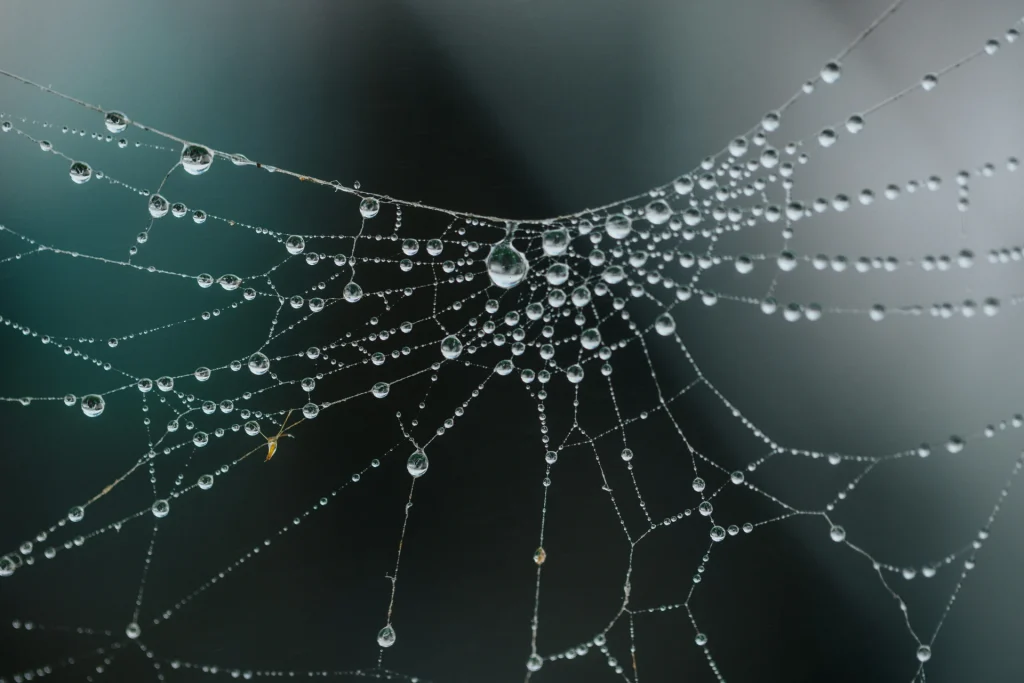
House spiders and wolf spiders are some of the most common spiders people notice around Fraser Valley homes, especially in garages, basements, storage rooms, and damp corners where insects are easy to find. Most spiders are more of a nuisance than a danger, and they usually show up because the home is already attracting other bugs for them to eat.
House spiders tend to build messy webs in quiet areas and around windows, while wolf spiders do not build webs and are often spotted running along floors or walls. If you’re seeing a lot of spiders, it usually means there is plenty of insect activity, clutter, or easy access points they can use to get inside.
Bed Bugs
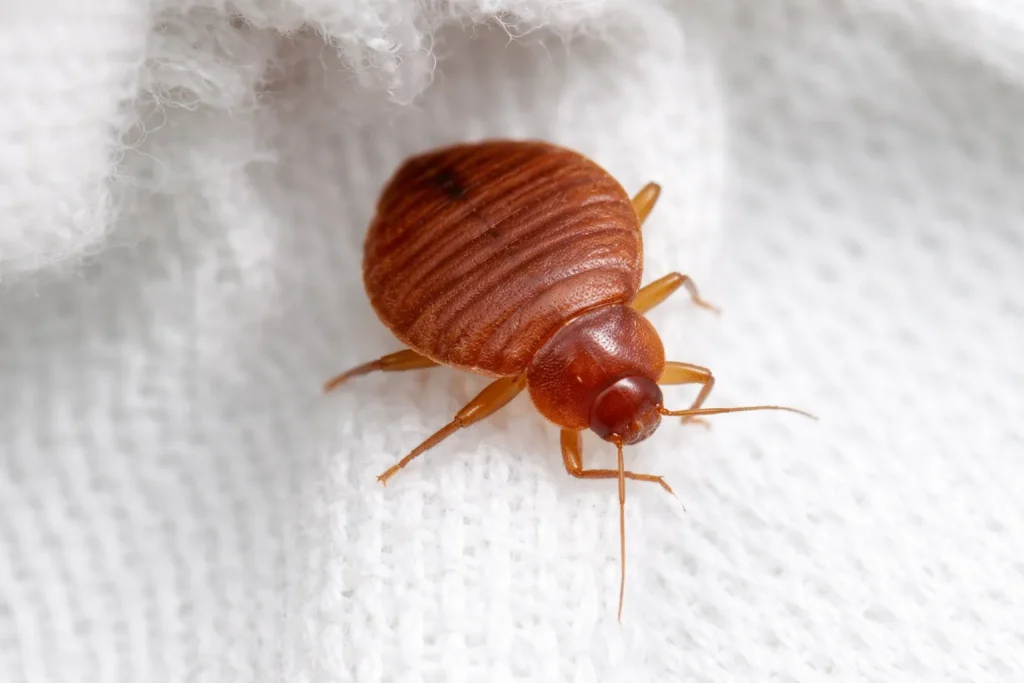
Bed bugs are small, flat insects that feed on blood while people sleep, which is why they are often discovered after people wake up with itchy bites or notice small rust-coloured spots on bedding. They are usually brought in through luggage, used furniture, visitors, or shared living spaces, which makes apartments, condos, hotels, and rental buildings especially vulnerable.
One of the frustrating things about bed bugs is that they are excellent hitchhikers and can spread quietly from unit to unit. They hide in mattress seams, bed frames, furniture joints, and cracks in walls, so an infestation can be well-established before anyone notices it.
Cockroaches
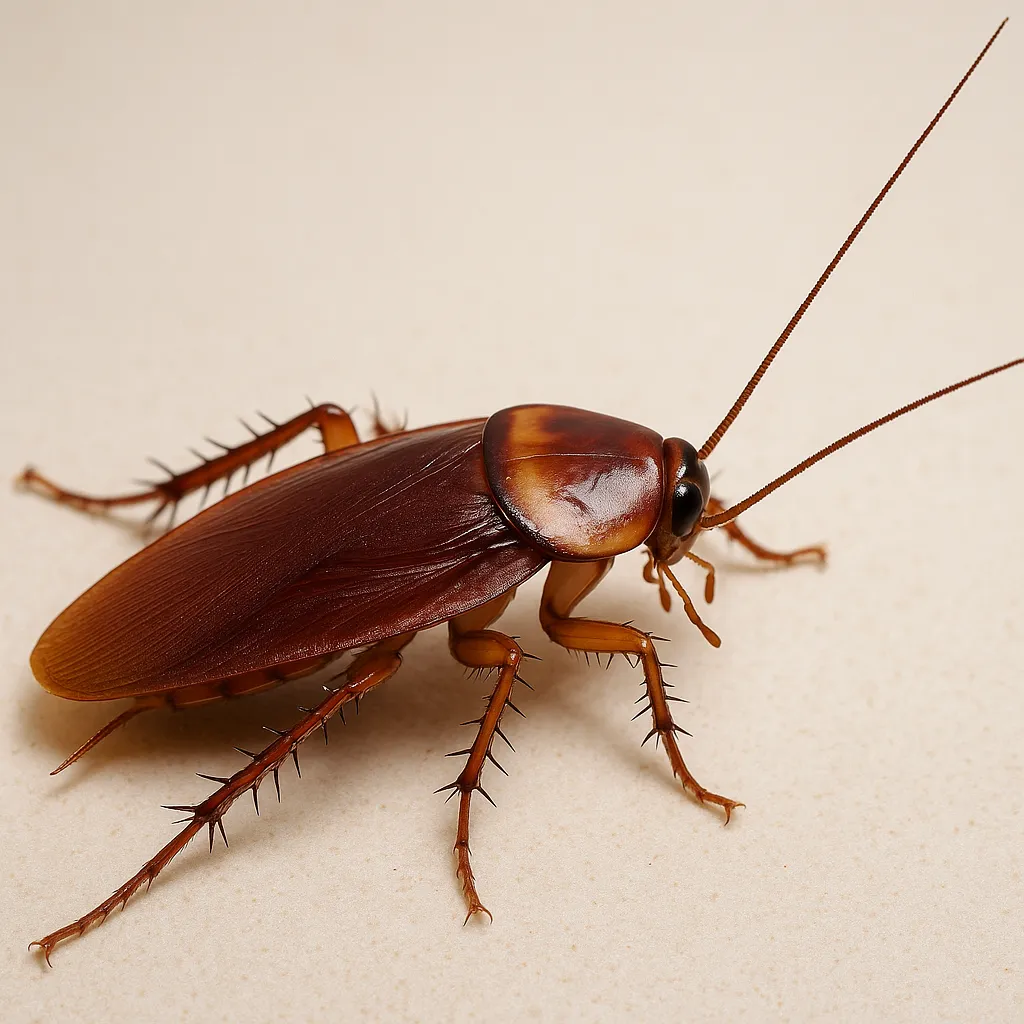
Cockroaches are among the most resilient household pests and are especially common where there is moisture, food residue, and shared plumbing, which makes apartment buildings a common hot spot. German cockroaches are the most common indoor species and are usually found in kitchens, bathrooms, and utility spaces because they prefer warmth, water, and access to crumbs or grease.
They are not just unpleasant to see, they can contaminate food and surfaces as they move through sinks, drains, cabinets, and appliances. If you spot even one, it often means there are more hiding nearby, because cockroaches reproduce quickly and prefer to stay out of sight during the day.
Silverfish
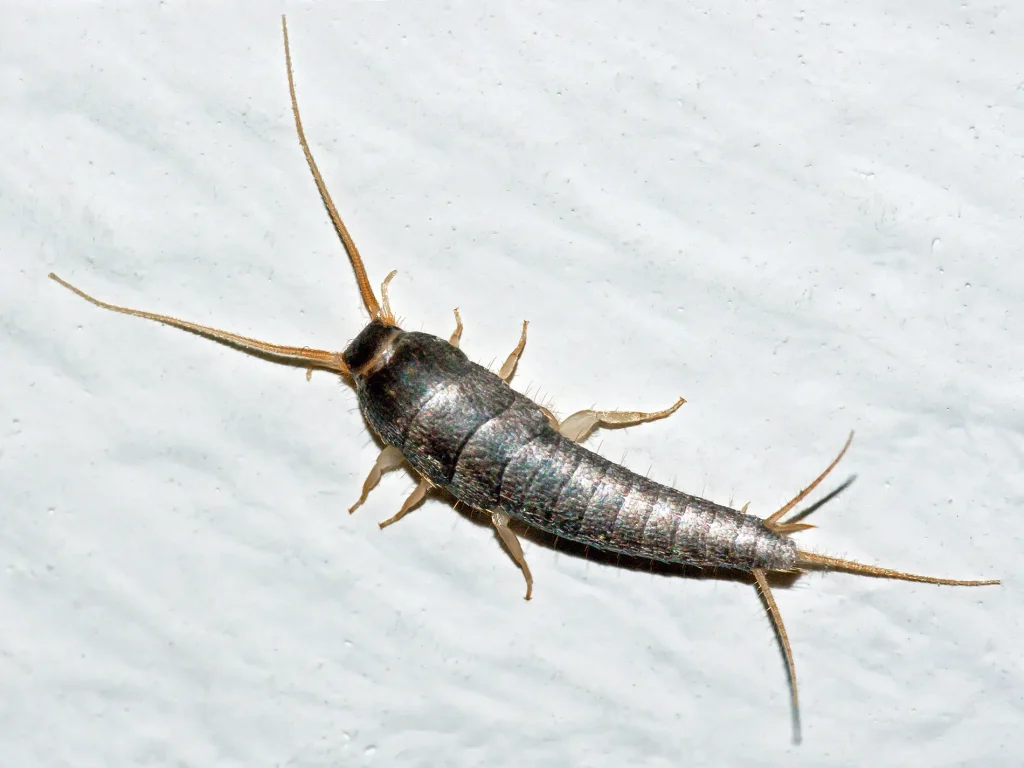
Silverfish are small, wingless insects with a shiny, silvery body and a quick, fish-like movement, which is where the name comes from. They are drawn to moisture and often show up in bathrooms, laundry rooms, basements, closets, and storage areas where humidity is higher and paper, glue, fabric, or starchy materials are easy to access.
They do not bite people, but they can damage wallpaper, books, cardboard boxes, clothing, and paper goods over time. In Fraser Valley homes, they often show up in older houses or apartment buildings with damp spaces, hidden leaks, or poor ventilation.
Apartment Dwellers: Think You're Safe? Think Again
Apartments and condos might feel more secure from pests, but shared walls, plumbing, ventilation systems, and hallways create invisible highways for bugs to travel between units, often without anyone noticing until it’s too late. High occupant turnover, shared laundry facilities, and constant moisture from showers, cooking, and poor ventilation make multi-family buildings prime hotspots, even in clean units.
Common Apartment Culprits:
- Cockroaches thrive in shared drains and kitchens, spreading via pipes while feasting on forgotten takeout crumbs or grease.
- Silverfish slither through laundry chutes and damp baseboards, drawn to steamy bathrooms and stored boxes.
- Bed Bugs hitchhike on visitors' bags, used furniture, or even through electrical outlets between walls.
- Spiders follow prey insects into cluttered closets or garages, weaving webs in overlooked corners.
Why They Persist: Limited outdoor access traps moisture indoors, and one unit’s problem quickly becomes the building’s. Tenants must report signs immediately, landlords are legally responsible for building-wide treatments under BC tenancy rules, but early action prevents neighbor disputes and escalation.
Landlord Obligations vs Tenant Obligations
BC Residential Tenancy Act: Landlords ensure pest-free health standards (structure, major extermination); tenants maintain cleanliness, report issues promptly.
| Responsibility | Landlord | Tenant |
|---|---|---|
| Structural Seals/Leaks | Repair cracks, fix plumbing | Report issues |
| Building-Wide (e.g., Bed Bugs) | Pay pro treatment | Prep/clean/cooperate |
| Tenant-Caused (e.g., Food Trash) | N/A | Full cost + cleanup |
| Prevention | Perimeter sprays | No clutter, airtight food |

Keeping Your Home Pest-Free
Preventing Rodents
Seal Fort Knox: Steel wool + caulk all 6mm+ gaps (pipes, vents, foundations).
Food Lockdown: Metal/glass containers; no pet bowls overnight; clean spills.
Yard Patrol: Trim branches, clear debris/woodpiles, grade soil away.
Trap/Monitor: Indoor snap traps (peanut butter); check quarterly.
Preventative Bait Barrier: Recurring preventative baits for farms/basements.
Preventing Insects
Dry It Out: Dehumidify, <50% humidity; fix leaks/gutters.
Declutter: Vacuum weekly; store paper/clothes sealed.
Entry Block: Weatherstrip doors/windows; screens on vents.
Trash Discipline: Daily empties, no recyclables indoors.
Seasonal Sprays: Eco-barriers pre-rainy season.
Buying/Renovating Pest Checklist
Before moving into a new home or cracking open walls for renovations, scan for these 10 red flags that scream “pest problem ahead”, a professional inspection can uncover hidden damage worth thousands.
10 Red Flags:
1. Droppings/grease trails: Mouse rice grains or rat jellybeans along walls; shiny rub marks from furry traffic.
2. Gnaw marks: Tiny grooves on wood, wires, or food boxes, fire hazard alert!
3. Nests: Shredded paper, fabric, or insulation stuffed in attics, voids, or cabinets.
4. Odors: Musty decomposition, cockroach stench, or ammonia urine whiffs.
5. Neighbour history: Ask about past pest battles, issues spread fast.
6. Water pools: Standing moisture breeds everything from silverfish to mosquitoes.
7. Ant mounds/sawdust: Pavement ant sand piles or carpenter “frass” trails.
8. Bed bug stains: Rusty blood spots or shed skins on mattresses/box springs.
9. Termite mud tubes: Pencil-thin dirt tunnels on foundations or joists.
10. Sagging wood/floors: Hidden rot from ants, dampwood termites, or carpenter ants.
Pro Tip: Never skip a pest inspection, $150 upfront saves $10K+ in surprises. Ready to protect your investment? Book a move-in/move-out inspection with The Bugman Pest Control at (604) 854-2847
Table of Contents
Related Blogs