Table of Contents
Related Blogs


Summer Pest Control Tips for Fraser Valley Homes
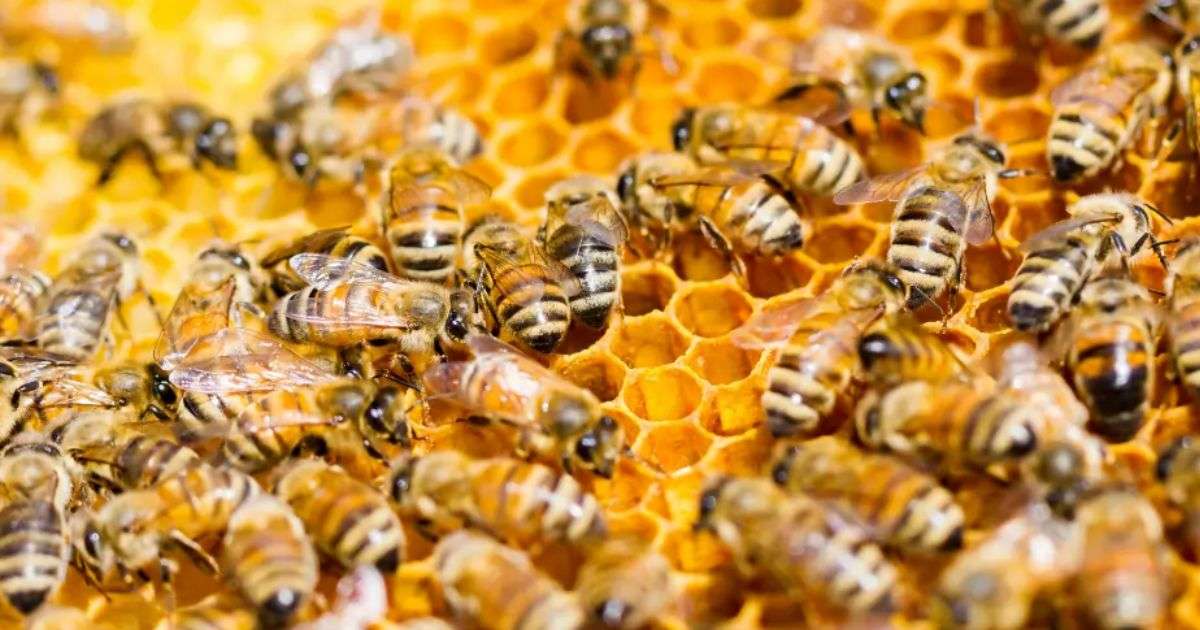
Keep ants, wasps, mosquitoes, and rodents out of your Fraser Valley home this summer with Bugman’s tips and tricks.
Why Summer Pests Surge in the Fraser Valley
Call it a “bug boom” or a “rodent rush,” but every Fraser Valley summer feels like the pests finally cash in on the head start they got from our mild winters. Ants were already marching in January and February, and by summer it’s like they’re executing a full-scale invasion in your kitchen, basement, and crawlspace.
Mild winters and humid springs mean pests don’t disappear — they just bide their time. Ants scout early, wasps and yellow-jackets build secret nests under eaves and decks, and rodents quietly test every crack and gap in your foundation. When summer hits, those “quiet” months turn into a takeover: more ants, more buzzing nests, and mosquitoes thriving in even the tiniest bit of standing water.
By the time July and August roll around, your home can feel like prime real estate for ants, wasps, mosquitoes, and rodents. This is why summer is often the busiest time for pest control in the Fraser Valley — pests aren’t just showing up, they’re moving in and making themselves at home.
Common Summer Pests in the Fraser Valley
Summer in the Fraser Valley doesn’t just mean BBQs and patio time — it’s also prime recruitment season for pests that have been quietly preparing all year. Here’s who you’re most likely to see, what brings them to your property, and why some of them might already be inside your home before you ever notice them.
Ants:
What Attracts Them:
- Food crumbs, pet food, spilled juice, and sugary residues in kitchens
- Moisture from leaks, damp basements, bathrooms, and laundry rooms
- Cracks in foundations, loose siding, and gaps around windows and doors
What Attracts Them:
Ants start as “scouts” in early spring, but once a trail is established, full colonies can appear inside walls, under floors, and behind baseboards by summer. If you see persistent lines of ants marching into cabinets or along baseboards, that’s not just a nuisance — it can mean carpenter ants are slowly chewing through structural wood in older homes.
What to Watch For:
- Fine sawdust-like material (frass) near baseboards or window frames
- Rustling or faint clicking sounds in walls
- Ants that don’t respond to simple baiting or sprays
If you’re seeing ants in January or February, they’re already settled in, summer is just
when they become impossible to ignore.
Spotting the Difference: Pavement vs. Carpenter vs. Odorous
In the Fraser Valley, three types of ants often show up around homes, and knowing which is which helps you judge the risk:
- Small, dark brown to black ants, usually 2–3 mm long.
- Often seen in cracks of driveways, sidewalks, and around foundations.
- Mostly a nuisance — they forage for food but rarely damage wood.
Carpenter ants:
- Larger than most household ants (6–12 mm), often black or reddish-black.
- Prefer moist, damaged, or decaying wood.
- Can cause real structural damage over time and leave behind frass that looks like fine sawdust.
Odorous ants:
- Small, dark brown to black ants, about 2–3 mm long.
- Named for their “rotten coconut” or “buttered popcorn” smell when crushed.
- Love sweets and grease and often nest inside walls, under floors, or behind baseboards.
- A strong sign they’re inside is seeing them in kitchen cabinets, especially at night.
If you’re dealing with larger ants, strange sawdust, or tunnels in wood, that’s carpenter‑ant territory and something worth having a professional inspect. If you’re seeing lots of tiny ants only in the kitchen that suddenly appear and disappear, it’s morelikely odorous house ants, and pavement ants are usually the ones you see outside on patios or sidewalks.
By noticing which type you’re dealing with, you’ll know whether you’re just dealing with a sugar‑seeking nuisance or something that could be quietly damaging your home.
Wasps & Yellow Jackets
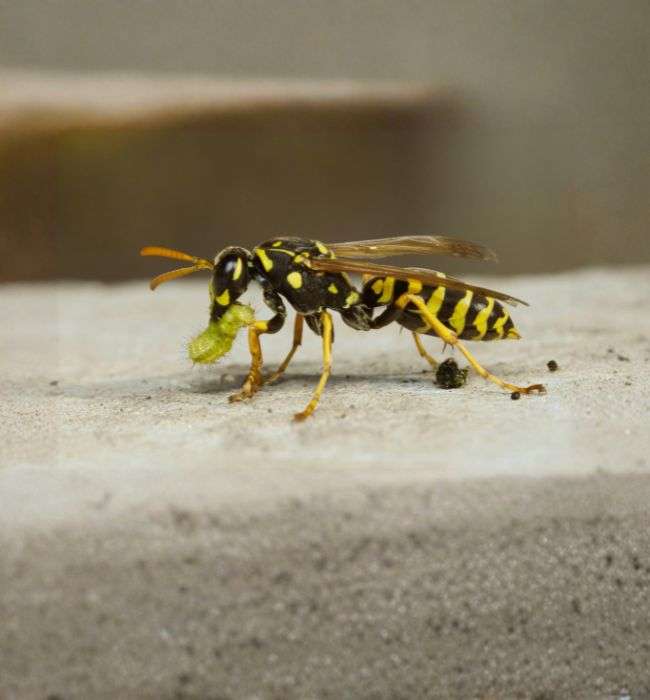
Wasps are some of the most noticeable summer pests in the Fraser Valley. They’re territorial, efficient hunters that build nests close to shelter, food, and moisture — often right on your property. In Abbotsford, Chilliwack, Mission, and surrounding areas, you’ll most often find them in gardens, under eaves, inside sheds, or tucked into soffits and deck railings.
By late summer, colonies can be large and aggressive, especially when they feel threatened. A nest that’s just a small paper ball in June can easily grow into a high-risk hazard by August if left alone.
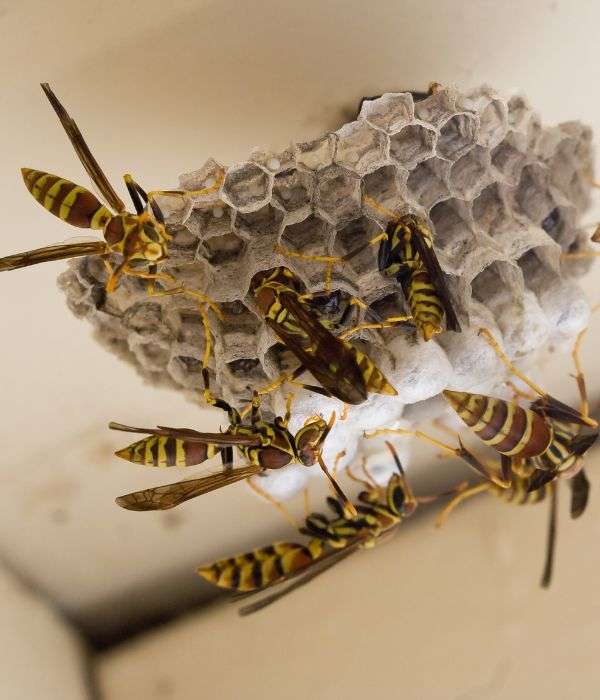
What Attracts Wasps to Your Property:
- Sugary drinks, open BBQs, fruit trees, and compost piles draw foraging wasps
- Covered patios, eaves, soffits, deck railings, sheds, and dense foliage provide perfect nesting sites
- Previous nesting activity — if wasps nested on your property last year, they’re likely to return
When wasps start landing on your deck, patio furniture, or near your kitchen windows, they’re not just curious, they’re scouting for sugar and protein for the growing colony inside.
How to Spot a Wasp Nest (Without Getting Stung)
If you’re noticing more wasps zoning in on your patio, BBQ area, or near doors and windows, it’s a good sign a nest is close by. The key is to locate it from a safe distance, not by getting close enough to provoke the colony.
Start by watching their flight patterns:
- Do they always fly in the same direction, vanishing under the eaves, behind siding, or into a hole in your deck rail?
- Are they coming and going from a specific spot on the house, shed, or in a bush or tree?
- Is the nest at ground level (under a planter, in a shed corner, or in a bank of soil), or is it higher up near rooflines and overhangs?
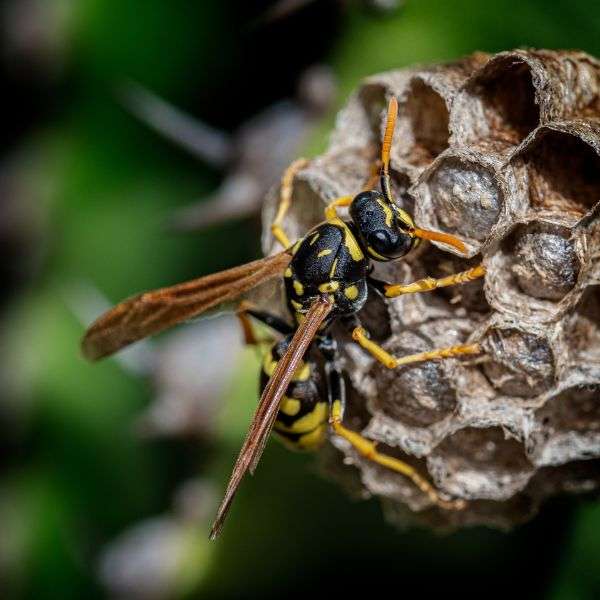
Wasps in the Fraser Valley love sheltered, out‑of‑the‑way spots: under patios, in soffits,
behind shutters, inside unused sheds, and even in abandoned birdhouses or dense
shrubs. The nest itself often looks like a papery, grey‑tan ball or teardrop hanging from a
surface or tucked into a corner.
- If it’s small, light, and low to the ground, it’s still dangerous but slightly easier to isolate visually.
- If it’s large, high up, or near doors, windows, or kids’ play areas, it needs professional attention.
Most importantly, do not poke, prod, or spray a nest “just to see what happens.” The number of wasps you see flying around the outside tells you almost nothing about how big the colony is inside, and disturbing them can trigger a coordinated sting attack.
If you can’t comfortably identify the nest or rule out bald‑faced hornets, the safest move is to call The Bugman for a visual inspection and safe removal
Mosquitoes & Black-Legged Ticks
What Attracts Them:
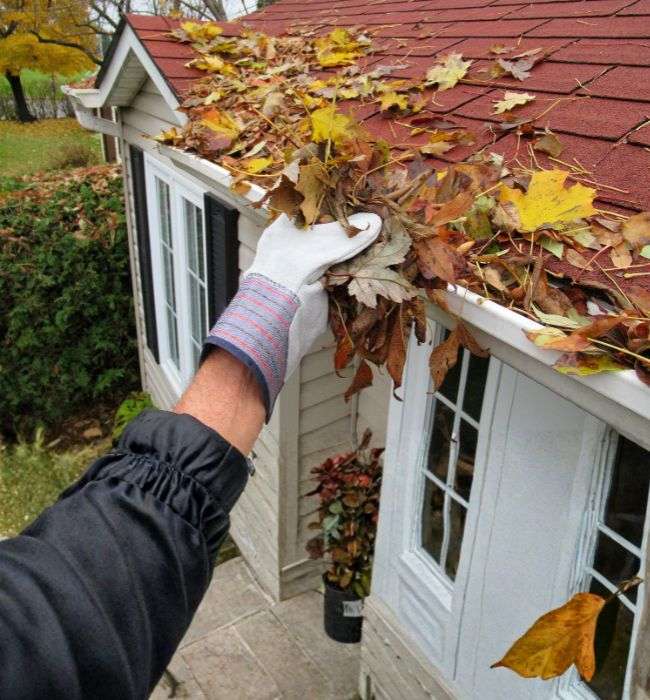
- Any standing water: plant saucers, clogged gutters, bird baths, buckets, and even bottle caps
- Shady, damp areas around the house, sheds, and wood piles
- Nearby ponds, ditches, or areas with poor drainage
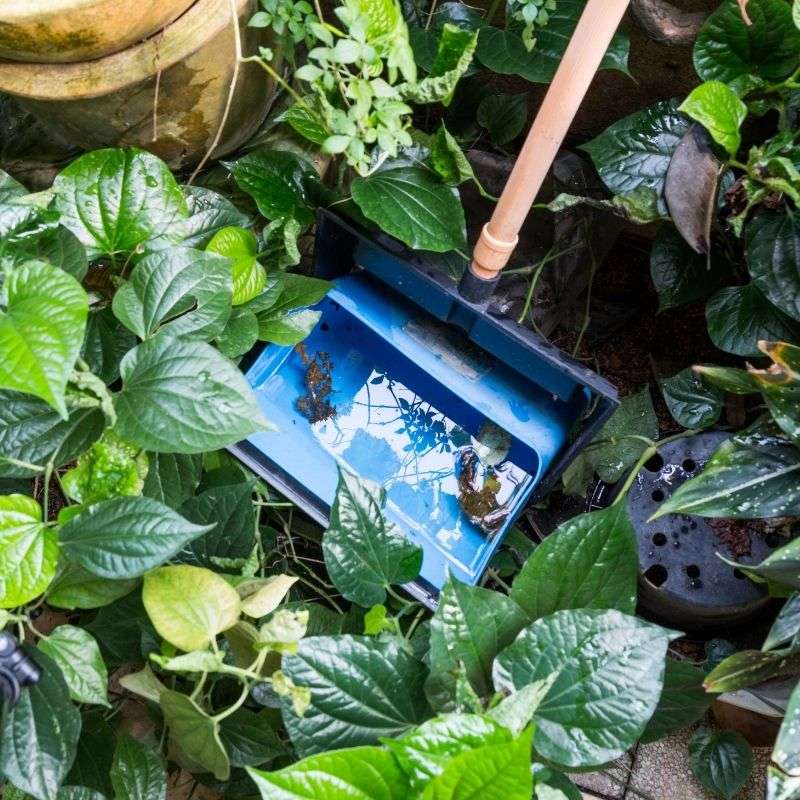
When It Becomes a Problem:
Mosquito populations explode in warm, humid conditions. If you’re getting bitten in your yard or on your deck in the evening, breeding sites are likely right on your property. Black-legged ticks (which can carry Lyme disease) are also active in summer, especially in grassy or wooded backyard edges.
What to Watch For:
- Mosquito “clouds” hovering around standing water or damp areas
- Bites that appear in clusters or in the evening
- Ticks on clothing, pets, or in tall grass near your home
The Fraser Valley’s mild climate means these pests can start early and stay active late, so waiting until July to address them often means you’re already behind.
Flies & Fruit Flies
What Attracts Them:
- Ripening or overripe fruit left on counters
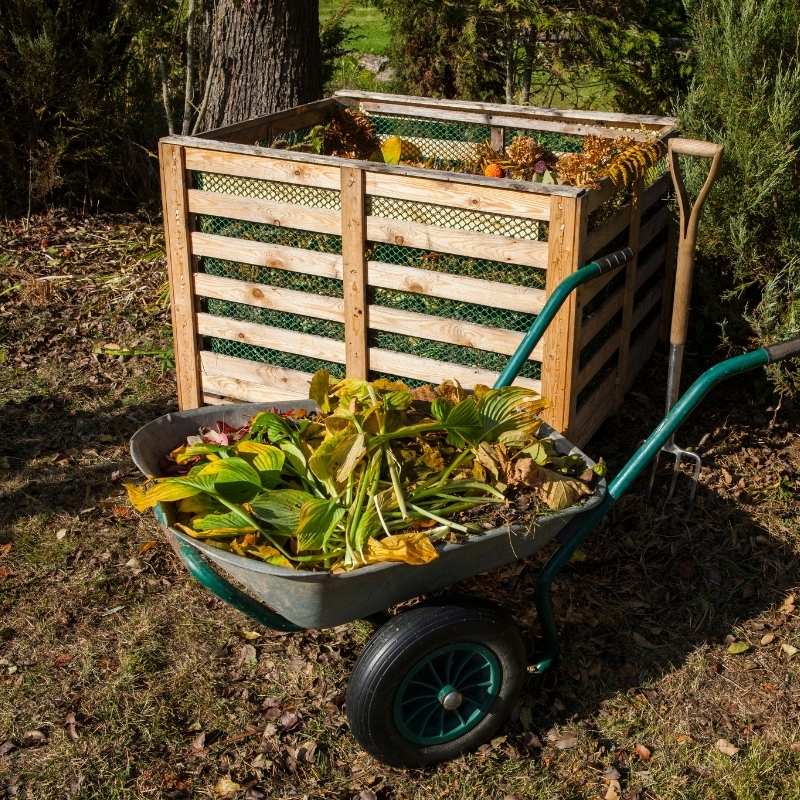
- Open or overflowing garbage, compost bins, and recycling
- Damp areas in kitchens, garages, and around drains
When it becomes a problem:
Fruit flies can multiply quickly in warm kitchens, turning a single overripe banana into a full‑scale swarm within days. Houseflies and drain flies indicate ongoing moisture or food waste issues.
What to Watch For:
- Small, flying insects hovering around fruit bowls, sinks, or recycling bins
- Clouds of tiny flies near drains or compost
- Strong, sour odours in the kitchen or garage
If you’re seeing them in summer, they likely have a breeding source inside your home or
very close by, like a leaky drain or forgotten compost bucket.
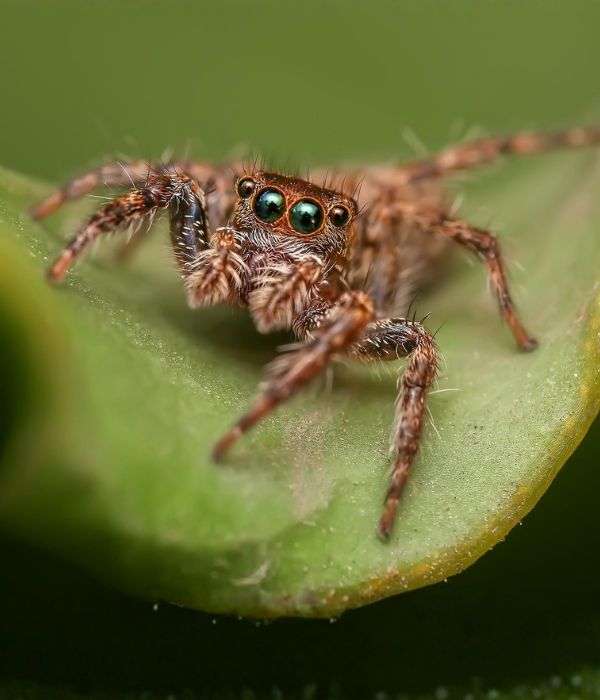
Spiders & Millipedes
What Attracts Them:
- Insects that live in foundations, mulch, and gardens (spiders follow the food)
- Moisture and shade from mulch, wood piles, and overgrown landscaping
- Moisture and shade fromDark, undisturbed corners in basements, garages, and crawlspaces mulch, wood piles, and overgrown landscaping
When it becomes a problem:
Most spiders and millipedes are harmless, but when they enter the house in large
numbers, it can feel unsettling and may indicate other pest activity. Spiders often move
indoors when outdoor insect populations peak.
What to Watch For:
- Webs in corners, ceilings, or behind stored items
- Small groups of millipedes along baseboards or in garages
- Increasing numbers after rainy periods or landscaping work
If you’re seeing them inside, it’s usually because your yard or foundation is teeming with
insects they’re following.
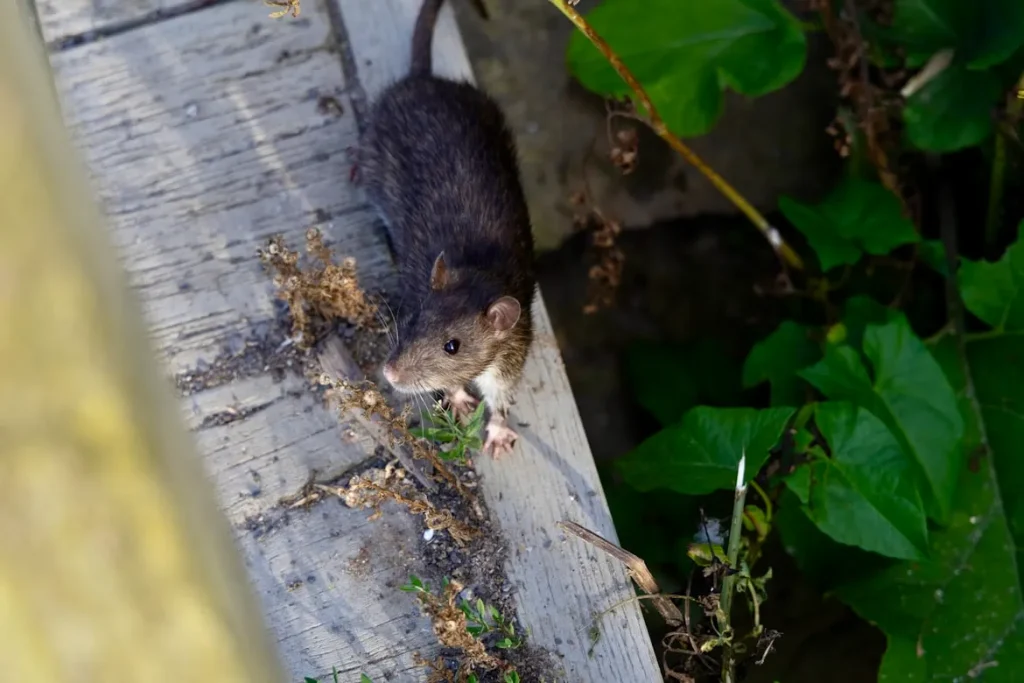
Rodents (Mice & Rats)
What Attracts Them:
- Easily accessible food: pet food, birdseed, open garbage, and compost
- Clutter and nesting material: cardboard boxes, old insulation, and stored paper
- Warm, dry shelter in basements, attics, sheds, and crawlspaces
What to Watch For:
- Small, dark droppings in cupboards or behind appliances
- Gnaw marks on packaging, wires, or wood
- Strange noises in walls or ceilings at night
The Stink Bug Situation (and Why You Shouldn’t Squish Them)
A few years ago, the Fraser Valley saw a massive surge in brown marmorated stink bugs, and many homeowners are still seeing them today. A common misconception is that they’re “just starting” to come inside in the spring, but in reality, these bugs often overwinter inside your walls and attics, tucked away all winter before emerging in spring or early summer.
Stink bugs don’t just wander indoors randomly, they’re trying to get outside whenever they can. They love to bask in the sun on warm, sunny sides of the house, especially on dark or discoloured surfaces. That’s why you’ll often see them clustering on black or
dark‑coloured vinyl siding, roofing, or around windows where the sun hits the most. In the fall, the pattern reverses: they’re drawn inside to find warm, sheltered spots in your home to overwinter.
Why you shouldn’t squish them:
- They release a strong, unpleasant odor when crushed, which can linger in your home
- Crushing them can attract more stink bugs to the same area via aggregation pheromones
- They can leave stains on walls, fabrics, and furniture
If you’re finding them in your home, especially in spring and early summer, they’re likely emerging from hiding spots inside your structure, not arriving from the yard. By sealing entry points, gently removing individuals, and calling in a pest control pro when needed, you can keep stink bugs from turning your sunny Fraser Valley home into their own personal vacation spot.
Health Note: Stink bugs are nuisance pests — they don’t bite, sting, or spread disease. However, their strong odor can trigger mild allergic reactions in sensitive individuals, and they can damage fruits, vegetables, and ornamentals in your garden.
Room-by-Room Summer Pest Prevention
Use this checklist to cut off food, water, and entry points for pests in your Fraser Valley home:

- Kitchen: Wipe counters daily, store food in airtight containers, and keep trash sealed to break ant and fly trails.
- Bathrooms & Laundry: Fix leaks and remove standing water to reduce attraction for ants, flies, and rodents.
- Basement & Crawlspace: Seal cracks, install a humidifier if needed, and remove cardboard or clutter that can harbor spiders and rodents.
- Attic & Roofline: Inspect vents, soffits, and chimneys for gaps where wasps, rodents, and birds can enter.
- Yard, Deck & Patio: Keep shrubs trimmed away from siding, store firewood off the ground and away from the house, and secure outdoor trash bins.
Outdoor Habits to Keep Pests at Bay
- Eliminate standing water weekly in planters, clogged gutters, bird baths, pools, and kiddie pools to disrupt mosquito breeding.
- Manage compost and garbage by using sealed bins, turning compost regularly, and keeping pet food indoors or in tightly sealed containers.
- Reduce yard clutter — clear fallen fruit, leaf litter, and stacked wood that can harbor ants, spiders, and rodents.

When to Call a Professional in the Fraser Valley
Consider professional help if you notice:
- Persistent ant trails in cabinets or along baseboards
- Wasp or yellow-jacket nests on decks, porches, or under eaves
- Droppings, gnawed wires, or noises in the walls at night
- Mosquitoes breeding in your yard despite regular cleanup
Fraser Valley pest control companies like The Bugman are trained to handle these issues safely and to prevent re-infestation.
How The Bugman Keeps Homes Pest-Free in the Summer
The Bugman Pest Control offers:
- Fraser Valley-specific inspections that cover foundations, basements, and outdoor spaces common to Abbotsford, Chilliwack, and Mission homes.
- Targeted treatments for ants, wasps, mosquitoes, flies, spiders, and rodents using integrated pest management (IPM) methods.
- Exclusion and sealing to block entry points while keeping your home’s appearance intact.
Residents in the Fraser Valley who want a pest‑free summer can book a preventative treatment with The Bugman.
FAQ: Summer Pests in the Fraser Valley
What are the most common summer pests in the Fraser Valley?
Ants, wasps, mosquitoes, flies, spiders, and rodents are the most frequent summer pests in Abbotsford, Chilliwack, and surrounding areas.
How can I stop mosquitoes without using strong chemicals?
Remove standing water, install tight‑fitting screens, and use professional‑grade perimeter treatments that follow integrated pest management guidelines.
Is it safe to remove a wasp nest myself?
No, active nests can trigger aggressive stinging and risk allergic reactions. Leave removal to licensed pest control technicians.
What common pests are most active in Canadian homes during hot weather?
In Canadian homes, the most common summer pests include ants (especially carpenter), wasps, yellow jackets, mosquitoes, flies, spiders, earwigs, and rodents.
How can I identify the most common summer pests in Canadian homes?
Look for tell‑tale signs:
- Ants: Tiny trails on counters or baseboards, especially near food.
- Wasps/yellow jackets: Papery nests under eaves, decks, or in bushes.
- Mosquitoes: Bites and buzzing near standing water.
- Spiders: Webs in corners, garages, and basements.
- If you’re unsure, take a clear photo and send it to a local pest control company for a quick ID.
Signs of a wasp nest near my deck in summer.
Key signs a wasp or yellow‑jacket nest is near your deck include:
Constant buzzing and a steady stream of insects flying to and from a single spot under the rail, eave, or soffit.
A papery, grey‑brown ball or teardrop‑shaped structure tucked into a corner or under boards.
More aggressive behaviour when you approach (dive‑bombing, following you).
If you see these signs, keep your distance and call a professional instead of poking or spraying the nest.
How to prevent mosquitoes from breeding in my backyard.
Mosquitoes breed in standing water, so prevention focuses on removal and treatment:
Empty or treat any water‑holding containers weekly (plant saucers, buckets, kids pools, bird baths).
Keep gutters clear and ensure yard drainage is working.
Use professional‑grade larvicides or perimeter treatments if you have ponds or hard‑to‑drain areas.
Best outdoor insect repellents for summer evenings.
For outdoor evenings, look for repellents with DEET, picaridin, or oil of lemon eucalyptus, which are recommended by Health Canada and the CDC to repel mosquitoes and ticks.
Use lower‑concentration formulas for children and always follow the label.
Combine repellent with citronella candles, fans, and tightly‑sealed screens for extra protection.
What are the best natural remedies to keep summer pests away?
Natural remedies can help deter pests but rarely eliminate them:
Peppermint oil sprays or soapy water can discourage some wasps and ants around patios.
Diatomaceous earth or certain essential‑oil sprays may reduce crawling insects in low‑traffic areas.
However, for established nests or heavy infestations, natural remedies are usually not enough, and professional help is recommended.
Where to buy effective ant killer for kitchen counters.
Ant killers for kitchens are available at hardware stores, garden centres, and online
retailers. For safety around food, choose bait‑style gels or granular baits labelled for
indoor household use, and avoid spraying directly on counters. Better yet, use baits
around the perimeter and call a pest control company to treat the source (nests in walls
or foundations).
Where can I buy professional‑grade pest control products for summer insects?
Genuine professional‑grade products are often restricted to licensed pest control
companies and require special handling or certification. For homeowners, the safest
approach is to use consumer‑labelled products or partner with a local pest control
provider (like The Bugman) that uses commercial‑grade materials safely and legally.
What smells attract roaches?
Roaches are drawn to food odours, especially in kitchens and garages: crumbs, greasy
residues, open trash, and pet food. They also move toward damp, dark spaces where
they can hide during the day.
What is the hardest pest to get rid of in Canada / Vancouver‑area homes?
In many Canadian homes, especially around Vancouver and the Fraser Valley, the
hardest pests to eliminate are bed bugs, cockroaches, and rodents. These pests are
hard to fully eradicate because they hide in tiny cracks, reproduce quickly, and can
become resistant to some DIY sprays.
Which insect is most active during summer in Canada?
In Canada, mosquitoes are one of the most active and noticeable summer insects,
especially near wetlands, ponds, and backyard pools. Ants, wasps, and flies also see
major activity spikes in warm weather.
Are there poisonous bugs in Canada?
Most Canadian insects are not poisonous, but some can bite or sting painfully (like
some wasps, bees, and black‑legged ticks). Ticks can carry diseases such as Lyme, so
prompt removal and medical follow‑up are important if you’re bitten in high‑risk areas.