To get rid of tiny black bugs on your plants, start by identifying the pest type—most commonly aphids, fungus gnats, thrips, or small mites. Begin with a strong water spray to physically remove bugs, then apply a gentle soap solution (2 tablespoons pure liquid soap per quart of water) directly to affected areas, including leaf undersides. For fungus gnats, use a diluted hydrogen peroxide soil drench (1 part 3% hydrogen peroxide to 4 parts water). Isolate infested plants, treat consistently every few days, and focus on prevention through proper watering and healthy growing conditions to keep these pests from returning.
More Information
What Are Those Little Black Bugs Around Your Plants?
When you spot tiny black insects on your plants, you’re likely looking at one of several common culprits. The most frequent offenders in both indoor and outdoor gardens are aphids, fungus gnats, thrips, or small mites. Each of these pests has its own preferred hangout spots and feeding habits, which means the solution that works for one might not be as effective for another.

Black aphids are probably the most notorious of the bunch. These soft-bodied insects love to cluster on new growth, stems, and the undersides of leaves where they feast on your plant’s sap. You’ll often find them in groups, almost like they’re having a little bug party at your plant’s expense. They’re particularly fond of tender young shoots and can multiply incredibly quickly under the right conditions.
Fungus gnats are those annoying little flies that seem to appear out of nowhere, especially around your indoor plants. While the adults are mostly just a nuisance, buzzing around your face while you’re trying to water your plants, their larvae live in the soil and can actually damage your plant’s root system. If you’ve noticed small flies hovering around your potted plants, fungus gnats are likely your problem.


Thrips are incredibly tiny, slender insects that can be hard to spot with the naked eye. They love to hide in flower buds and leaf crevices, scraping away at plant cells and leaving behind silvery trails that look almost like tiny scratches on your leaves.
Small black mites are another possibility, especially if you notice fine webbing or stippled damage on your leaves. These microscopic pests can be particularly troublesome because they’re so small that infestations can get quite advanced before you even notice them.
The Tale-Tell Signs: How to Know Your Plants Are Under Attack
Your plants are actually quite good at telling you when something’s wrong – you just need to know how to read the signs. One of the first things you’ll notice is a change in your plant’s overall appearance. Leaves might start looking a bit lackluster, developing yellow patches, or curling in ways they shouldn’t.
If you’re dealing with aphids, you’ll often see a sticky substance called honeydew on and around your plants. This sweet secretion is basically aphid waste (appetizing, right?), and it can attract other problems like sooty mold, which appears as a black, dusty coating on leaves.
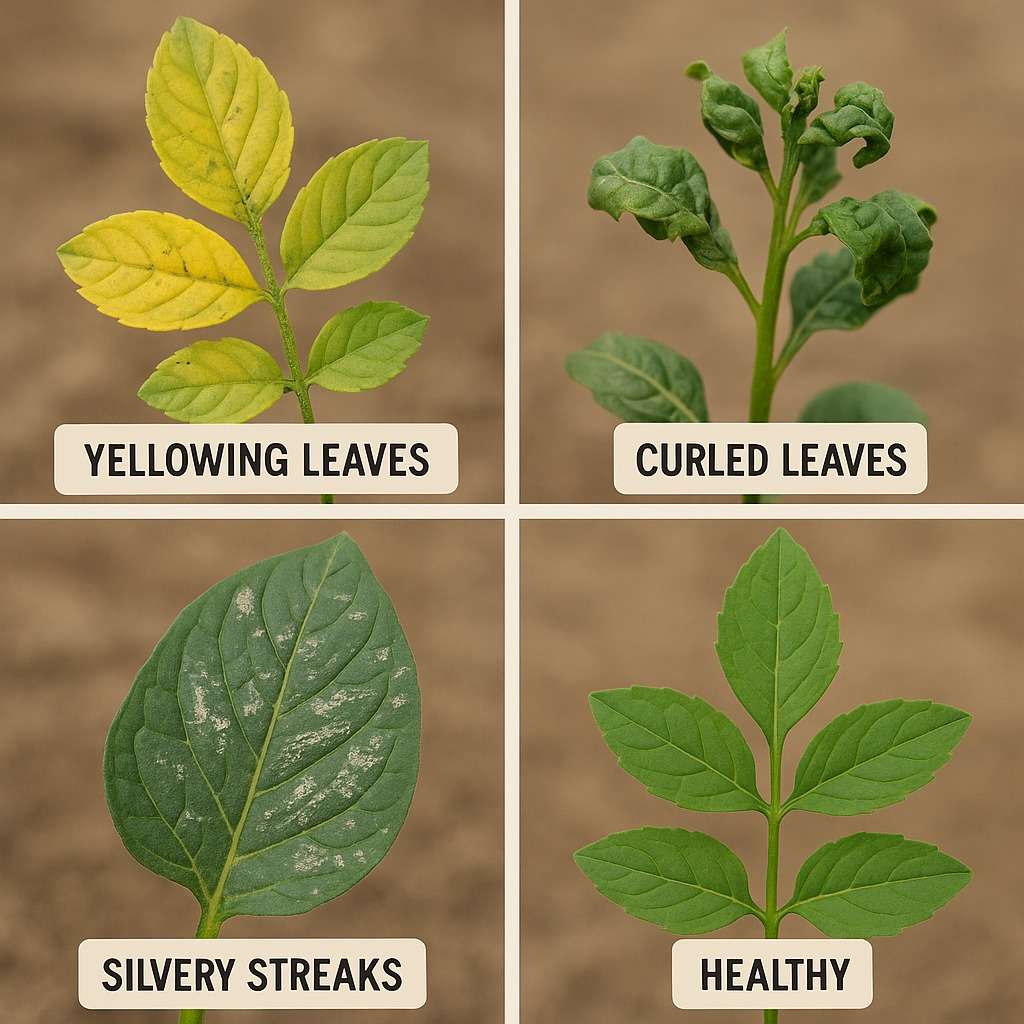
Fungus gnats will give themselves away not just by their annoying flying habits, but also by the yellowing and stunted growth they cause when their larvae damage roots. You might also notice that your soil seems to stay wet longer than usual, as damaged roots can’t absorb water effectively.
For thrips, look for those characteristic silvery streaks or bronze-colored patches on leaves. The damage almost looks like someone took a tiny scraper to your plant’s surface.
The key is catching these problems early. The sooner you identify and address the issue, the easier it will be to get your plants back to their healthy, happy selves.
Quick Action: Your First Response to an Infestation
When you first discover these unwelcome visitors, resist the urge to panic. I know it’s tempting to immediately reach for the strongest pesticide you can find, but often the gentlest approach is both the most effective and the safest for your plants.
Start with a simple but effective technique: give your plants a good shower. Use a strong stream of water from your hose or shower head to physically knock off as many bugs as possible. This works particularly well for aphids, which aren’t the strongest clingers in the insect world. Make sure to hit the undersides of leaves where many pests like to hide.
Next, isolate any heavily infested plants if possible. This prevents the problem from spreading to your healthy plants while you work on treatment. If you’re dealing with indoor plants, move the affected ones away from your plant collection until you’ve got the situation under control.
Take a moment to really examine your plants closely. Use a magnifying glass if you have one – you might be surprised by what you discover. Understanding exactly what you’re dealing with will help you choose the most effective treatment approach.

Natural Solutions That Actually Work
Now, let’s talk about solutions that are both effective and gentle on your plants. The beauty of natural pest control is that it’s usually safer for you, your family, your pets, and the beneficial insects that actually help your garden thrive.
The Power of Soap and Water
One of the most reliable and time-tested solutions is a simple soap spray. But before you grab any soap from under your kitchen sink, let me share what actually works. You’ll want to use pure liquid soap – not detergent, not dishwashing liquid with added chemicals, just plain soap.
Mix about two tablespoons of pure liquid soap with a quart of lukewarm water. Some gardeners swear by adding a tablespoon of vegetable oil to help the solution stick to leaves better. Spray this mixture directly onto the affected areas, making sure to cover both the tops and undersides of leaves where pests love to hide.
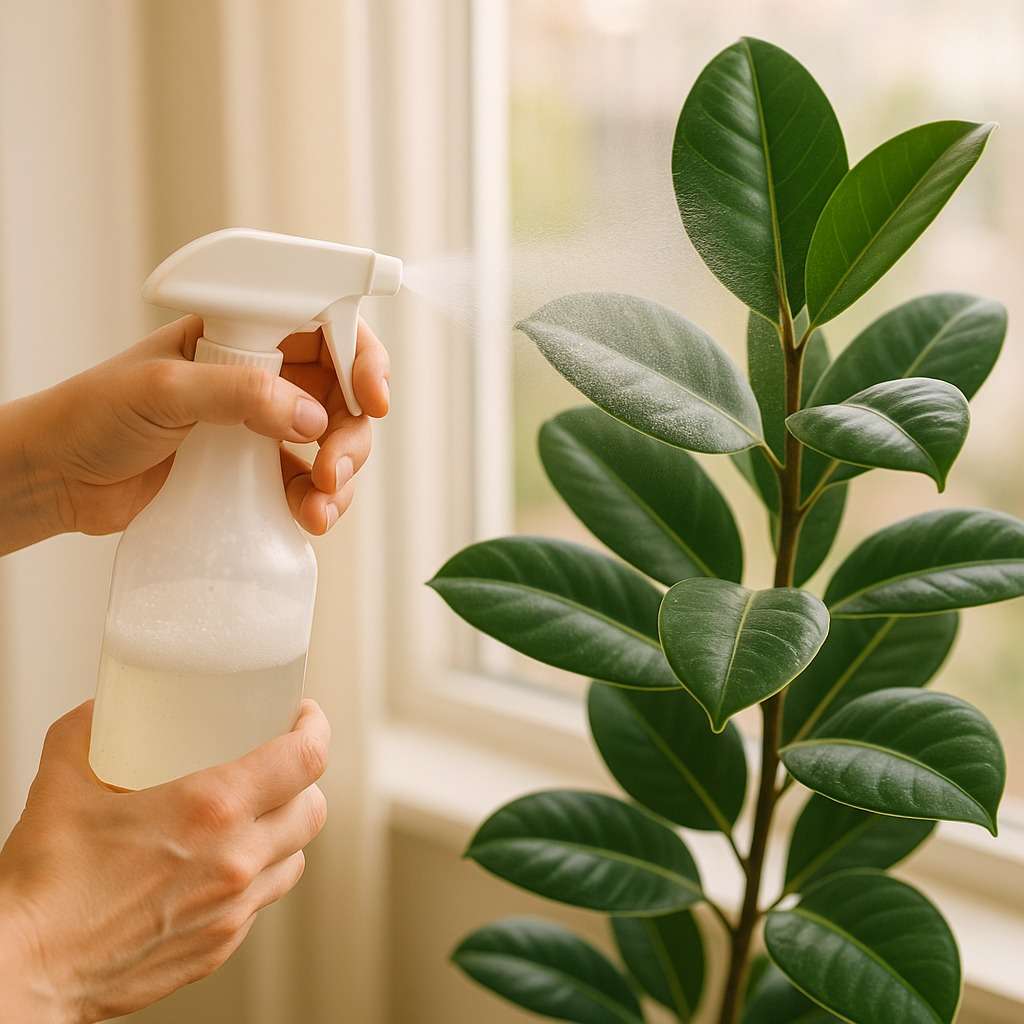
This soap solution works by disrupting the insects’ ability to breathe and move around effectively. It’s particularly effective against soft-bodied insects like aphids. The best part? It breaks down quickly and won’t harm your plants when used correctly.
Dawn Dish Soap: A Gardener’s Secret Weapon
Speaking of soap, many gardeners ask, “Will Dawn dish soap kill aphids on plants?” The answer is yes, but with an important caveat. While Dawn can be effective, it’s stronger than pure soap, so you need to be more careful with concentration and application.
If you’re using Dawn, mix just a few drops with water – we’re talking maybe half a teaspoon per quart of water. Test it on a small area first and wait a day to make sure your plant doesn’t have an adverse reaction. Some plants are more sensitive than others, and the last thing you want is to solve your bug problem by accidentally harming your plant.
Neem Oil: Nature’s Pest Control Powerhouse
Neem oil deserves special mention because it’s one of the most versatile natural pest control options available. This oil, derived from the neem tree, doesn’t just kill existing pests – it also disrupts their life cycle, preventing future generations from establishing themselves.
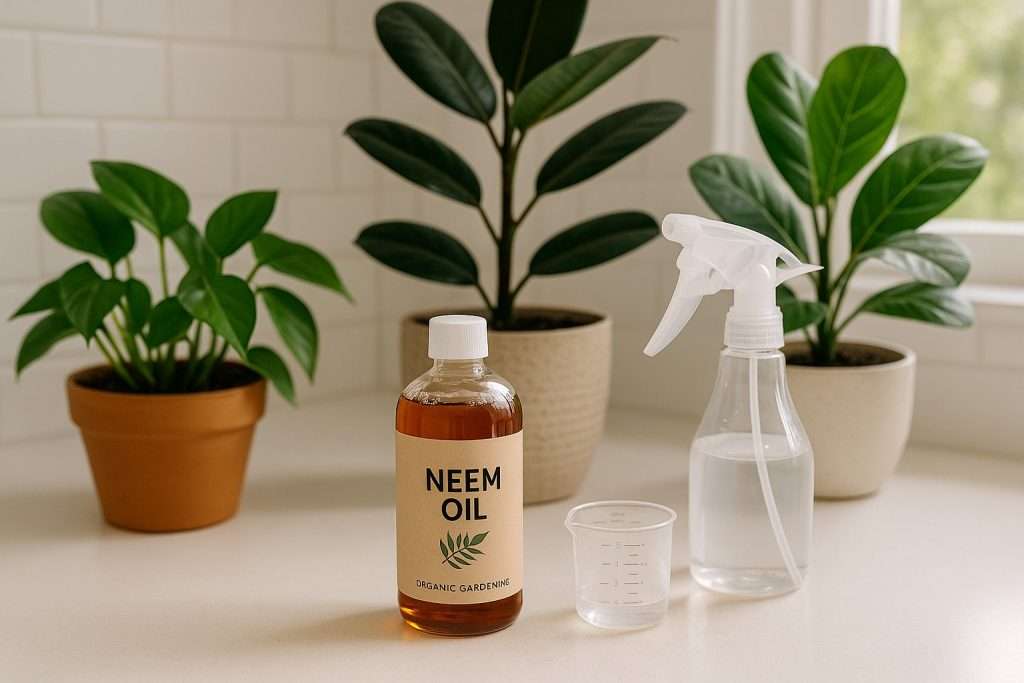
What makes neem oil particularly appealing is that it’s relatively gentle on beneficial insects when used correctly. Apply it during the cooler parts of the day (early morning or late afternoon) to avoid any potential leaf burn, and always follow the package directions for mixing ratios.
The Vinegar Debate: Does It Really Work?
You’ll find plenty of advice online about using vinegar to kill aphids and gnats, and people often ask, “Can vinegar kill black aphids?” While vinegar can indeed kill insects on contact due to its acidity, it’s not my first recommendation for a couple of reasons.
First, vinegar can also damage your plants if not used carefully. Second, it only kills the bugs it directly contacts – it doesn’t provide any residual protection. If you do decide to try vinegar, use a very diluted solution (maybe one part vinegar to ten parts water) and test it on a small area first.
Hydrogen Peroxide: A Surprising Ally
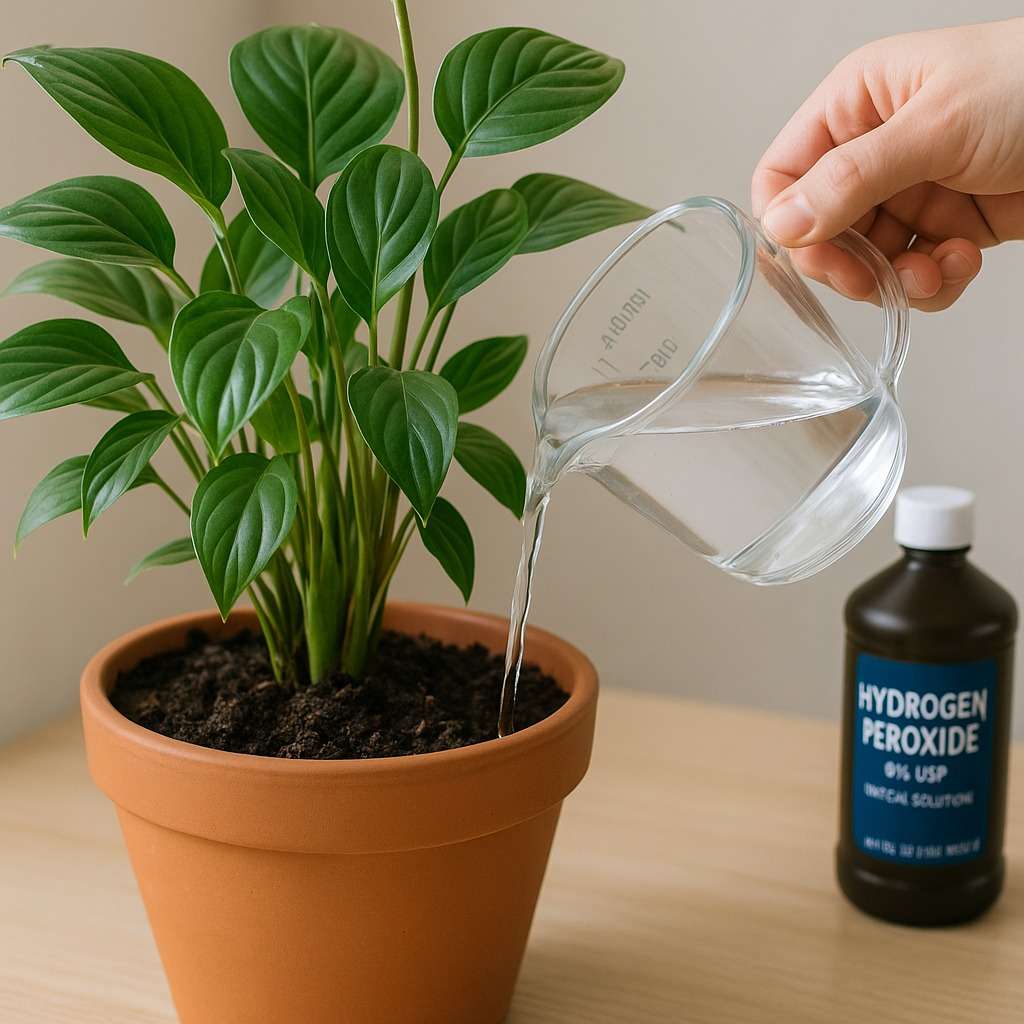
For fungus gnats specifically, hydrogen peroxide can be incredibly effective. Mix one part 3% hydrogen peroxide with four parts water and use it to water your plants. This solution kills fungus gnat larvae in the soil while also providing extra oxygen to your plant’s roots.
Many people worry, “Is hydrogen peroxide safe for plants?” When diluted properly, it’s actually beneficial, breaking down into water and oxygen. Just don’t use it full strength, and don’t use it on every watering – once a week is plenty.
Tackling Heavy Infestations: When Gentle Isn’t Enough
Sometimes, despite your best efforts, you’ll encounter a situation where the gentle approach just isn’t cutting it. When dealing with a heavy aphid infestation, for example, you might need to step up your game a bit.
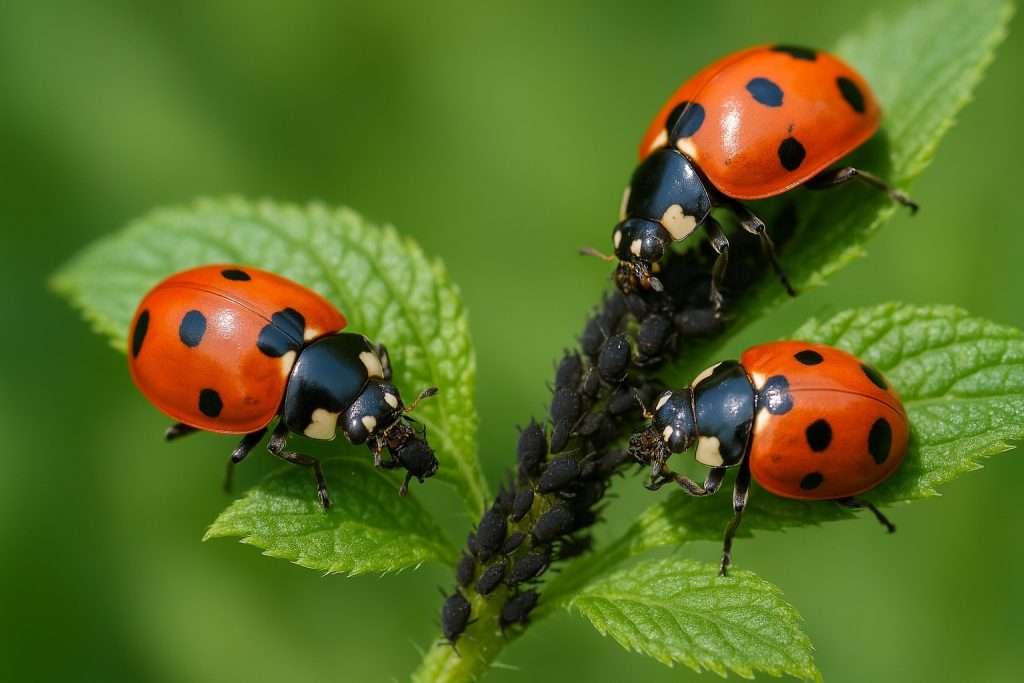
For severe aphid problems, you might need to combine several approaches. Start with the physical removal (that strong water spray), follow up with soap treatments every few days, and consider introducing beneficial insects like ladybugs that can help control the population naturally.
The timing of your treatments matters too. Black aphids are most active during certain times of the year – typically in spring and early summer when plants are producing lots of tender new growth. This is when you need to be most vigilant and when treatments will be most effective.
If you’re still struggling after trying natural methods for a couple of weeks, it might be time to consider stronger options. Horticultural oils, insecticidal soaps specifically designed for plants, or even targeted insecticides might be necessary. Just remember that these stronger solutions can also affect beneficial insects, so use them judiciously.
The Soil Solution: When Changing Dirt Makes All the Difference
For fungus gnats, one question that comes up frequently is, “Will changing soil get rid of gnats?” The short answer is yes, it can be very effective, but there’s a right way and a wrong way to do it.
Fungus gnats lay their eggs in moist organic matter in soil, so replacing that soil eliminates their breeding ground. However, simply dumping new soil into the same pot might not solve the problem if you don’t address the underlying conditions that attracted them in the first place.
When you change soil for fungus gnat control, make sure the new potting mix is well-draining and allow the soil to dry out more between waterings. Fungus gnats thrive in consistently moist conditions, so adjusting your watering habits is just as important as changing the soil.
Understanding Soil Mites: Friend or Foe?
While we’re talking about soil-dwelling creatures, let’s address soil mites. These tiny creatures are often mistaken for harmful pests, but many soil mites are actually beneficial, helping to break down organic matter and control other pest populations.
People often ask, “Are soil mites harmful to humans?” The vast majority of soil mites are completely harmless to both humans and plants. However, if you’re seeing an explosion of mite activity, it usually indicates overly moist conditions or decaying organic matter in your soil.
Homemade Bug Sprays: Mixing Your Own Solutions
Creating your own plant-safe bug sprays can be both economical and effective. The key is understanding what ingredients actually work and how to combine them safely.
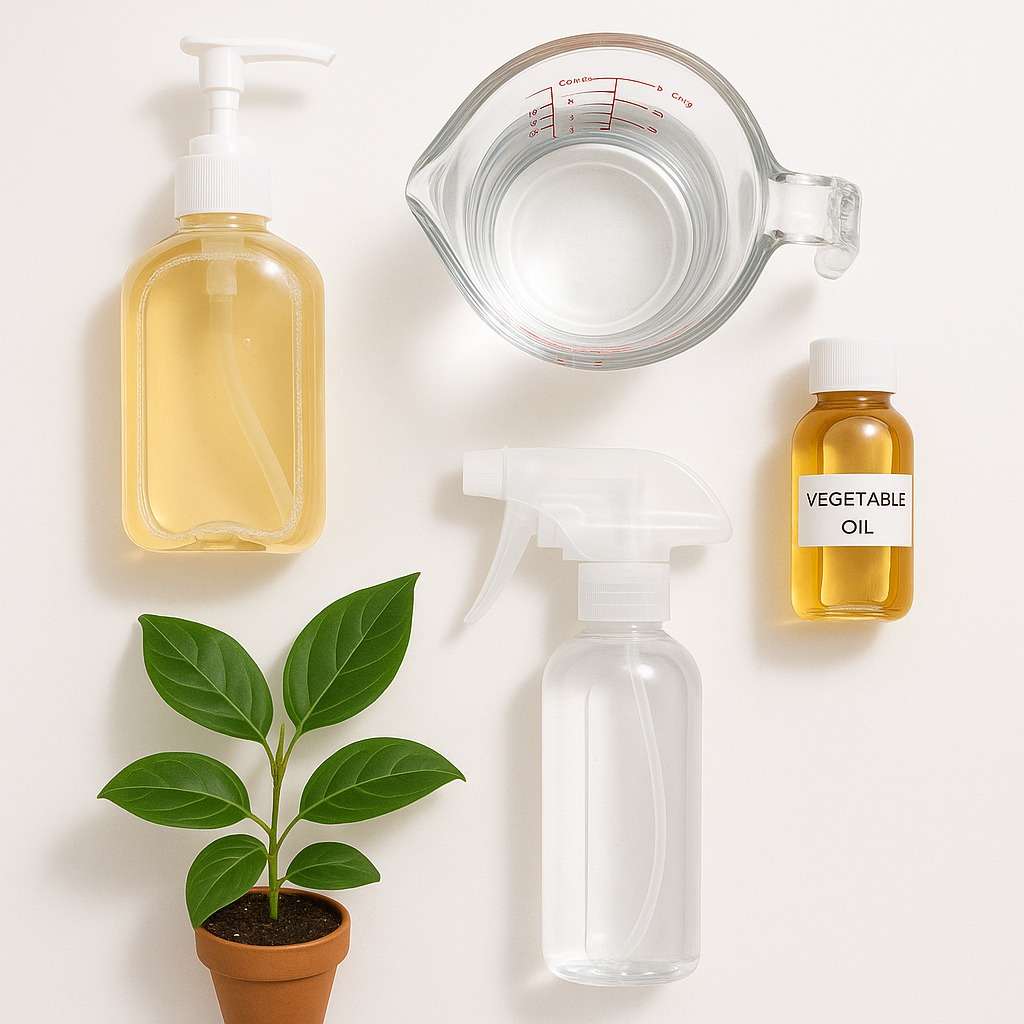
A basic all-purpose spray might include soap, a small amount of oil, and water. Some gardeners add garlic or pepper to create a deterrent effect. Others swear by adding a small amount of alcohol (rubbing alcohol, not the drinking kind) to help the solution penetrate waxy insect coatings.
When making homemade sprays, always test them on a small area first. What works well on a sturdy outdoor plant might be too strong for a delicate indoor specimen.
The Prevention Game: Keeping Bugs Away for Good
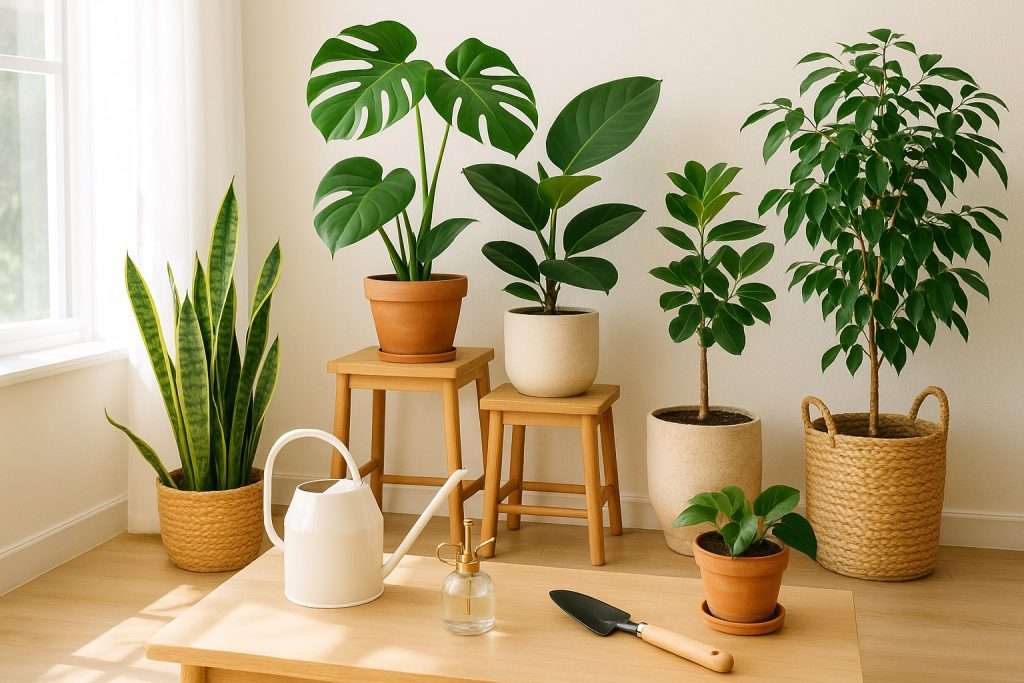
The most effective pest control strategy is prevention. Healthy plants are naturally more resistant to pest problems, so focusing on optimal growing conditions is your first line of defense.
This means providing appropriate lighting, proper watering (not too much, not too little), good air circulation, and regular feeding. Stressed plants send out chemical signals that actually attract pests, so keeping your plants happy is one of the best ways to keep bugs at bay.
Regular inspection is crucial too. Spend a few minutes each week really looking at your plants. Check the undersides of leaves, examine new growth, and look for any changes in your plants’ appearance. Catching problems early makes them infinitely easier to manage.
Why Do These Pests Keep Coming Back?
One of the most frustrating aspects of dealing with plant pests is their tendency to return. “Why do aphids keep coming back?” is a question I hear constantly, and the answer usually lies in incomplete treatment or ongoing conditions that favor pest development.
Aphids reproduce incredibly quickly under the right conditions. A single aphid can produce dozens of offspring in just a few weeks, so even if you eliminate 95% of the population, those remaining 5% can rebuild their numbers surprisingly fast.
This is why consistency in treatment is so important. Don’t just treat once and hope for the best. Follow up treatments, monitor your plants closely, and be prepared to act quickly if you see signs of resurgence.
Seasonal Considerations: Timing Your Battle
Understanding when different pests are most active can help you time your treatments for maximum effectiveness. Spring and early summer are prime time for most plant pests, as warming temperatures and tender new growth create ideal conditions for reproduction.
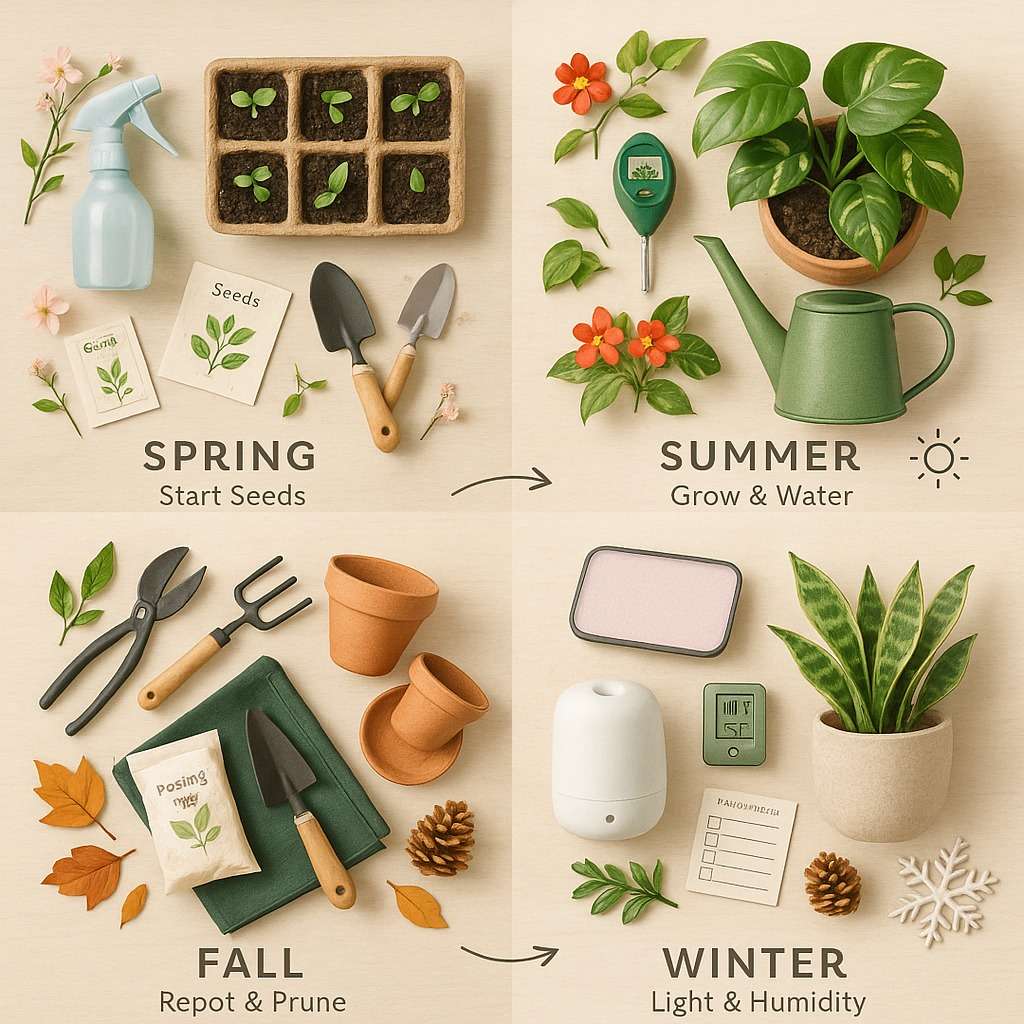
This is when you want to be most vigilant with your monitoring and most consistent with preventive treatments. By the time you see a full-blown infestation, the pests have usually been building their population for weeks.
When to Call in the Professionals
Sometimes, despite your best efforts, a pest problem can get beyond what you can reasonably handle on your own. This is particularly true if you have valuable plants, a large collection, or if the infestation keeps returning despite repeated treatments.

Professional pest control specialists who work with plants have access to more targeted treatments and can often identify underlying problems that might not be obvious to the casual observer. They can also help you develop a comprehensive management strategy that addresses both current problems and future prevention.
Frequently Asked Questions
What are the little black bugs around my plants?
The tiny black bugs on your plants are most commonly black aphids, fungus gnats, thrips, or small mites. Black aphids cluster on stems and new growth, fungus gnats fly around soil, thrips create silvery damage on leaves, and mites may cause stippled damage. Proper identification requires close examination of the insects’ size, location, and the type of damage they’re causing.
What kills aphids the fastest?
The fastest way to kill aphids is a combination of physical removal with a strong water spray followed immediately by an insecticidal soap treatment. For immediate results, mix 2 tablespoons of pure liquid soap per quart of water and spray directly on affected areas. This method can eliminate visible aphids within hours while being safe for your plants.
How do I get rid of plant gnats fast?
To eliminate fungus gnats quickly, use a hydrogen peroxide soil drench (1 part 3% hydrogen peroxide to 4 parts water) to kill larvae in the soil, place yellow sticky traps near plants to catch adults, and reduce watering frequency. This combination approach typically shows results within 3-5 days and eliminates the problem within 1-2 weeks.
What is the best spray for black aphids?
The most effective spray for black aphids is insecticidal soap made with pure liquid soap (2 tablespoons per quart of water). For severe infestations, neem oil spray is highly effective as it kills existing aphids and prevents reproduction. Apply every 3-4 days until the infestation clears, ensuring coverage of leaf undersides where aphids cluster.
Will changing soil get rid of gnats?
Yes, changing soil will eliminate fungus gnats because it removes their eggs and larvae. Use fresh, well-draining potting mix and allow soil to dry between waterings. However, changing soil alone won’t prevent re-infestation if watering habits and drainage issues aren’t addressed. Combine soil replacement with reduced watering frequency for lasting results.
Is Dawn dish soap safe for plants?
Dawn dish soap can be used on plants but requires careful dilution – use only 1/2 teaspoon per quart of water. While effective against soft-bodied insects, Dawn is stronger than pure soap and can damage sensitive plants. Always test on a small area first and rinse plants 2-3 hours after application to prevent potential damage.
Can vinegar kill black aphids?
Vinegar can kill aphids on contact due to its acidity, but it’s not the most effective or plant-safe option. Use a very dilute solution (1 part vinegar to 10 parts water) and test first, as vinegar can damage plant tissues. Soap sprays are generally more effective and safer for regular use against aphid infestations.
How do you treat a heavy aphid infestation?
For heavy aphid infestations, use a multi-step approach: first, spray plants with strong water to remove as many aphids as possible, then apply insecticidal soap every 2-3 days for two weeks, introduce beneficial insects like ladybugs, and remove heavily infested plant parts. Monitor daily and be prepared to repeat treatments as needed.
What time of year are black aphids most active?
Black aphids are most active in spring and early summer (March through June) when temperatures are moderate and plants are producing tender new growth. They thrive in temperatures between 60-80°F and can reproduce rapidly during this period. Monitor plants closely during these months and implement preventive treatments early.
Are soil mites harmful to humans?
Most soil mites are completely harmless to humans and are actually beneficial, helping decompose organic matter and control pest populations. They pose no health risks and typically indicate healthy soil biology. However, if you see excessive mite activity, it may signal overly moist soil conditions that should be addressed.
Remember, successful pest management is about patience, consistency, and understanding your plants’ needs. With the right approach and regular attention, you can keep your plants healthy and pest-free year-round.