Table of Contents
Related Blogs


Spiders: Everything You Need to Know (Fraser Valley)
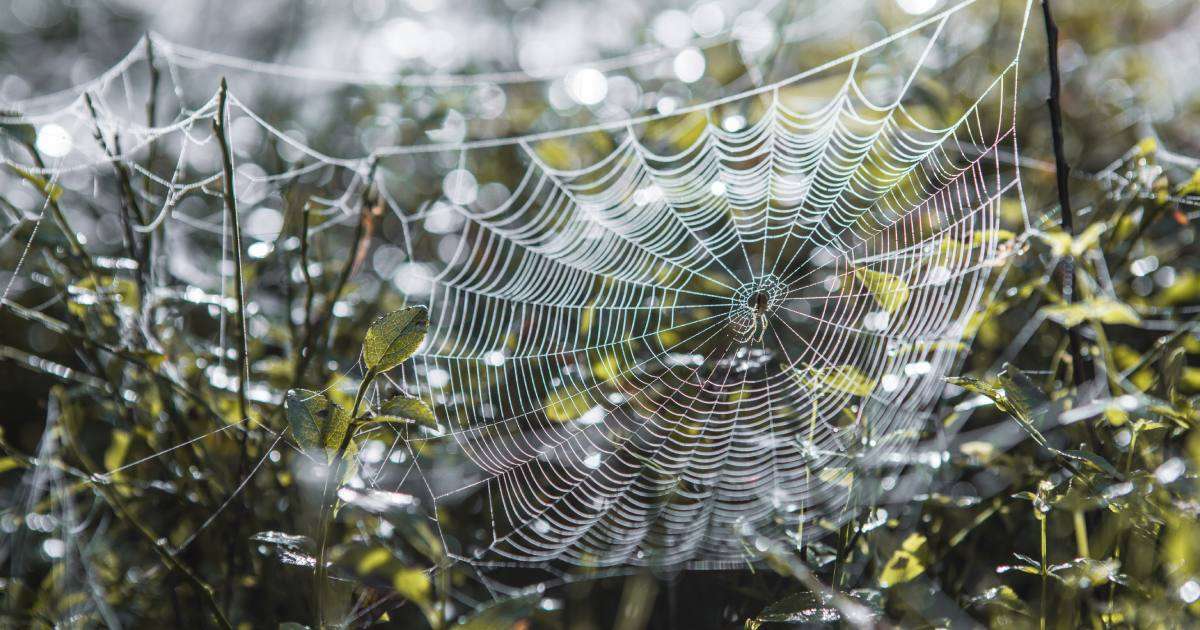
Learn which Fraser Valley spiders are harmless, how to prevent them, and when to call for professional help.
If you’ve ever screamed over a tiny spider in the shower, you’re not alone. In the Fraser Valley, especially in Abbotsford, Chilliwack, Mission, and surrounding areas, spiders are a fact of life. But before you imagine a horror‑movie invasion, here’s the reality: most house spiders are harmless, helpful, and just trying to do their job.
This guide is your gentle intervention for spider fear: we’ll cover how to know if you’re dealing with one curious climber or a full‑scale spider party, what you can realistically do to reduce them, and why zero spiders forever is a myth we’re not selling.
What Are Spiders, Really?
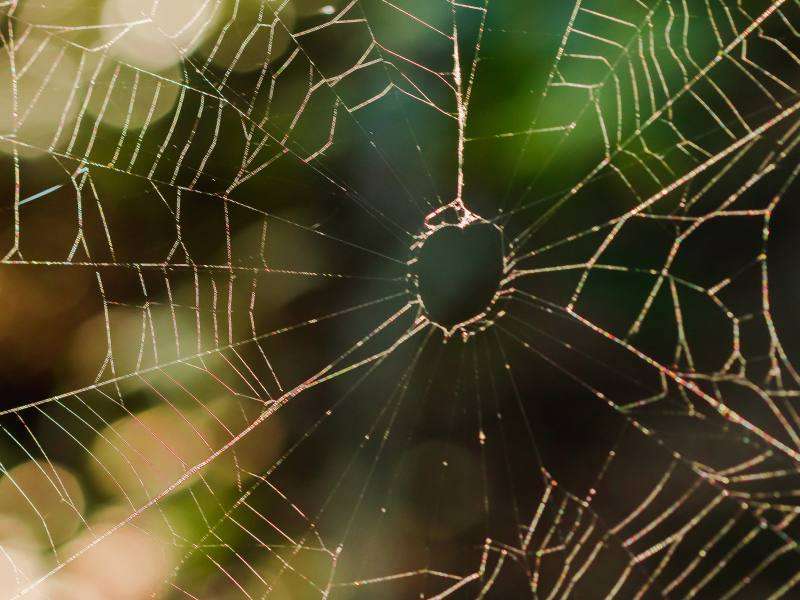
Spiders are arachnids with eight legs, venom‑injected fangs, and spinnerets that make silk for webs, egg sacs, and little “escape lines.” Unlike insects, they’ve got two body segments, not three, and they’re surprisingly good at pest control: they eat flies, mosquitoes, aphids, and other garden visitors.
In British Columbia, there are hundreds of spider species, but only a few cause any real concern.
Common Spiders You’ll Meet in the Fraser Valley
Here are the usual suspects you’ll see around homes, gardens, and basements:
Wolf spider
A ground‑dwelling hunter often seen in gardens. It doesn’t build webs, which makes it look like it’s “charging at you,” but it’s just looking for insects.
Jumping spider
Small, curious, and comically fast. It’s the spider that stares at you like it’s judging your life choices. They’re great for pest control and usually harmless.
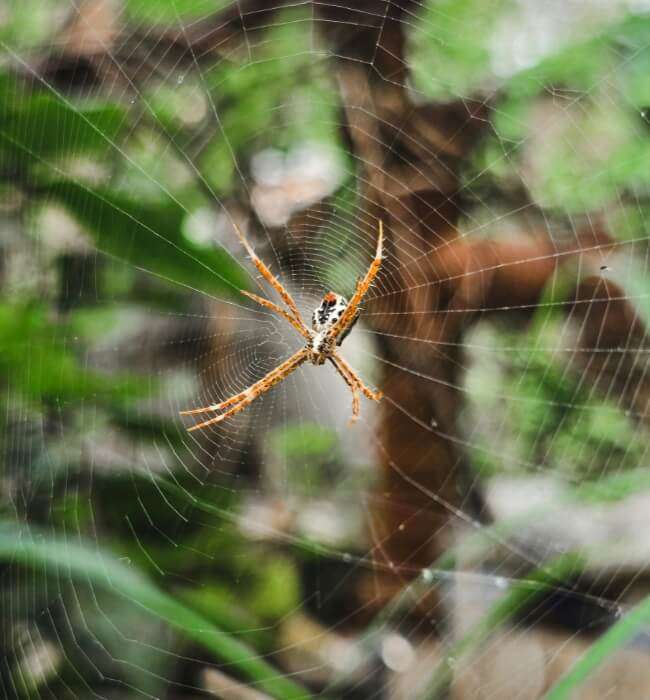
Orb‑weaver / Cross spider
Builds large, circular webs in gardens and shrubs. You’ll see them in the evening, and they’re like the “night security guards” of your yard.
House spider (Tegenaria)
The common “corner spider” in basements and garages. They’re delicate and not aggressive.
Cellar spider (Daddy longlegs)
Often called “daddy longlegs‑like,” with long, fragile legs and messy webs. They’re more build‑up than bite‑up.
Black Widow
Rare but present in parts of BC. Identification is key: they’re small, shiny, and often have a distinctive red mark on their abdomen.

When Spiders Are Helpful vs. When They’re Annoying
Spiders are natural pest controllers. They eat flies, mosquitoes, aphids, and other insects that you’d probably hate even more. In gardens and yards, they’re doing you a favor.
Where they become a problem is when they move into your personal zone:
- They’re constantly in your living space (bedrooms, bathrooms, kitchens).
- Their webs are dense and messy, covering furniture or light fixtures.
- They’re potentially dangerous species like Black Widow, or large, unidentified spider.
If spiders are just hanging out in the garden and basement, it’s usually nature working as intended. If they’re in your bed, your bathroom, or your kid’s room, it’s time to start managing them.
Spider Safety: Bites, Venom, and When to Worry
Most spider bites are mild: red, itchy, and localized. Only a tiny fraction of Canadian spiders are medically significant, and even then, they’re rare.
Red Flags:
- Severe pain, muscle cramping, or breathing difficulties.
- A large, unknown spider that you can’t identify (especially if you’re in a high-risk environment).
What to Do:
- Don’t squish spiders bare-handed.
- Use a glass and paper or a vacuum (gentle, but effective).
- Seek medical help if symptoms are severe or you’re unsure.
Why We Can’t “Eliminate” Spiders (The Real Deal)
Here’s the truth: we can’t turn your home into a spider‑free fortress, and here’s why:
- They’ve got long legs: Most spider-killers rely on the insecticide to work its way up through the legs to the body, so they may not die instantly. This means you might see a few more “zombie spiders” crawling around after treatment.
- Fraser Valley climate: Warm, humid summers mean lots of insects, which means lots of spider food.
- Nature’s way: Spiders are part of the ecosystem. Eliminating them would upset the balance and increase pest insects.
So instead of promising zero spiders forever, we focus on reducing their numbers and keeping them out of your living areas, especially your bed and bathroom.
How to Know If It’s 1 or 100
Signs it’s just 1 or 2:
- You see a spider occasionally, usually in the garden, basement, or on a window.
- Webs are sparse and localized, often in one corner or near a light source.
Signs it’s more than a few:
- Dense webs in multiple rooms, especially bedrooms and bathrooms.
- Repeated sightings of the same species, or large, hard-to-identify spiders.
- Lots of webs in the yard, shrubs, or on your house, which can mean a large population entering through cracks and gaps.
If you’re seeing a ton, it’s time to consider a professional inspection.
Fraser Valley‑Style Spider Prevention Tips
Exterior Tips:
- Keep foundations and shrubs trimmed to reduce hiding spots.
- Seal cracks and gaps in foundations, siding, and around doors and windows.
- Reduce exterior lights that attract insects (and thus spiders). Use motion-sensitive or yellow-toned lights.
Interior Tips:
- Keep basements and storage areas dry and decluttered, since humidity and clutter attract insects and spiders.
- Install tight-fitting screens on windows and doors, and repair any tears.
- Clean regularly, especially in corners and behind furniture.
Web removal: why it matters and how to keep it tidy
Cobwebs and spider webs are the main reason many people feel “infested,” even when there are only a few spiders.
Fun fact: A lot of webs do not always mean a lot of spiders.
- One very persistent spider can build and rebuild the same web over and over, especially in corners and around lights.
- Different species may abandon and reuse the same webbing, so dense silk does not equal a hundred arachnids.
That said, webs are still a problem because:
- They collect dust and make rooms look neglected.
- They can build up quickly in corners, light fixtures, and over door frames.
- Dense webs in bedrooms and bathrooms are psychologically unsettling.
How to manage webs effectively:
- Regular light cleaning with a duster, vacuum, or soft brush removes webs and discourages spiders from rebuilding.
- Clean corners and behind furniture where spiders like to hang out.
- For heavy, hard-to-reach webs, a light-duty extension duster or vacuum attachment works well.
Web removal is a great add‑on service if you want to quickly tidy up and reduce the visual annoyance while your pest‑control plan reduces the spider population over time.
Spider myths, facts, and DIY “fixes” that don’t work
Here’s a bit of myth‑busting to save you from awkward DIY disasters:
Myth: “I can spray them once and never see one again.”
Reality: Spiders aren’t instantly wiped out by most sprays. Many products rely on the insecticide to slowly work up through their long legs to the body, so they may stagger around for a while before dying.
Myth: “If I seal every crack, they’ll vanish.”
Reality: You can dramatically reduce them, but spiders are excellent at finding tiny gaps, and new ones are always coming. The goal is reduction, not perfection.
Myth: “Bags of mint or cedar will keep them out forever.”
Reality: Strong smells may mildly repel some spiders, but they’re not a reliable barrier. You still need physical and chemical controls.
Myth: “Bags of mint or cedar will keep them out forever.”
Most spiders don’t “swim” like a fish, but many can survive on the water surface using surface tension, they can dance across puddles or bathroom sinks, which is why you sometimes see them in sinks, tubs, or even floating in a glass of water. Water doesn’t usually attract them, but damp towels, laundry piles, and humid bathrooms can become temporary hangouts until they find a drier hiding spot.
When to Call a Professional (and How The Bugman Handles Spiders)
If you’re seeing repeated Black Widow sightings, dense webs, or spiders causing anxiety, it’s worth a spider‑specific inspection.
The Bugman’s Approach:
At The Bugman, we don’t promise a spider‑free home forever, but we can significantly reduce how many you see.
We use targeted exterior sprays to catch spiders before they get inside, spot interior treatments where needed, and optional web‑removal so your rooms stay tidy and spider encounters are fewer and farther between.
FAQ - Everything You Were Too Scared to Ask
What smell do spiders hate?
Spiders dislike strong, sharp scents like peppermint, citrus, lavender, tea tree, eucalyptus, and vinegar. These odours don’t kill them, but they can nudge them away from certain areas.
What repels spiders instantly?
Nothing repels them truly “instantly,” but concentrated sprays of peppermint, citrus, or eucalyptus oil, or vinegar‑water mixes, can make an area less attractive and discourage them from hanging around.
Why shouldn’t you squish a spider?
You risk releasing lots of little baby spiders if you smash a female carrying eggs.
Bug guts and fluids can spread bacteria and leave stains.
Many spiders are actually helping you by eating worse bugs.
When in doubt, use a glass, paper, and a gentle escort outside.
Why shouldn’t I squish a wolf spider?
Wolf spiders are fast, big, and a bit scary‑looking, but they’re harmless, shy, and excellent at eating flies, mosquitoes, and beetles. Killing them means you’re losing a natural pest‑control worker and not gaining any real benefit.
What are spiders afraid of?
Spiders aren’t “afraid” like we are, but they avoid:
Sudden vibrations, strong air movement, and bright lights
Heavy spraying, loud noises, and being cut off from hiding spots
Surfaces treated with certain repellents or insecticides
What will spiders not cross?
Depending on the species, they tend to avoid:
Smooth, slick surfaces where they can’t get a grip
Areas with fresh essential‑oil sprays or repellent barriers
Regions where they’ve been sprayed or vacuumed often
What do I need to know about spiders?
Most spiders are harmless and beneficial; they eat pests like flies and mosquitoes.
Only a tiny handful of spider species in Canada can cause more than a mild bite.
Seeing a few spiders is normal; a full‑time squad in your shower is not.
What is the #1 deadliest spider?
Among medically significant spiders, the Brazilian wandering spider and some widow spiders (like Black Widow) top the “deadliest” lists, but these are extremely rare in Canadian homes. In the Fraser Valley, most encounters are with harmless native species.
Which spider venom kills the fastest?
Some venomous species like the Brazilian wandering spider or Funnel‑web spider (Australia) have very fast‑acting venom, but these are not typical household pests in Canada.
What color walls do spiders hate?
Spiders don’t care much about paint colour. They’re more interested in dark corners, vibrations, and prey than whether your walls are white, blue, or beige.
What happens if a daddy long leg bites me?
“Daddy longlegs” usually refers to harvestmen (daddy longlegs) or cellar spiders, neither of which have medically relevant venom to humans. Bites, if they happen, are usually mild or nonexistent.
Should I sleep in my bed if I found a spider?
Yes, you can usually sleep there.
If it was a small, harmless spider, you can gently guide it outside.
If it looked very large, unfamiliar, or like a Black Widow-type, and you’re worried, move your bed back a bit or call a pest pro for a quick check.
What should I do if I find a spider in my bed?
Stay calm.
Carefully remove the sheets, blanket, or clothes, and gently sweep the spider into a cup or onto paper and take it outside.
Vacuum the mattress and surrounding area, and check for webs in the corners and headboard.
Will a spider crawl on my bed while I sleep?
Sometimes they will, especially if you have lots of webs nearby or insects attracting them. But most spiders are not “hunting you” – they’re just exploring or following prey.
Would a spider lay eggs in my bed?
It’s unusual but possible if a female spider decides the bed (or nearby headboard, wall, or clutter) is a good hiding spot. That’s why keeping bedding and surrounding areas clean and clutter‑free helps.