Think you might have bed bugs? Contact Bugman today for a professional inspection in Fraser Valley and the Lower Mainland.
Understanding Bed Bug Bites and What They Mean
Waking up with red, itchy bumps you did not have the night before can be unsettling. Many people immediately wonder whether they are dealing with bed bug bites, especially when the marks appear after sleeping. According to the National Pest Management Association, bed bugs have become one of the most persistent household pest problems in North America, which makes early identification and treatment especially important. These bites often have recognizable patterns that can help distinguish them from mosquito, flea, or other common insect bites.
In this guide, you will learn what bed bug bites look like on skin, where they commonly appear on the body, and how they compare to other insect bites. We will also explain the symptoms to watch for, how to treat the bites safely at home, and how to confirm whether a bed bug infestation may be present in your home.
What Do Bed Bug Bites Actually Look Like?
Understanding what bed bug bites look like on skin is the first step toward identifying a potential infestation. While reactions vary from person to person, there are several characteristics that appear consistently.
Appearance on Skin
Bed bug bites usually appear as small red welts or raised bumps. Many bites have a slightly darker red center where the insect pierced the skin. The surrounding area may be swollen or irritated, especially if the bite has been scratched.
In many cases, the bites are intensely itchy. Some people describe a burning or prickling sensation shortly after they appear. However, one of the most confusing aspects of bedbug bites is that they often do not show up immediately. It can take several hours or even a few days after being bitten for visible marks to appear.
Another complicating factor is that many people do not react to the bites at all. Research cited by medical sources such as the American Academy of Dermatology notes that a large portion of people show little to no visible reaction after being bitten.
Because reactions vary widely, two people sleeping in the same bed may experience completely different symptoms.
Where Do Bed Bugs Bite on the Body?
Bed bugs feed on exposed skin while people sleep. Because of this, bites usually appear on areas that are uncovered during the night.
Common locations include:
- Arms and forearms
- Neck and shoulders
- Hands
- Face
- Legs and ankles
Unlike fleas, which tend to bite near the floor level, bedbugs bite wherever skin is accessible during sleep.
The Classic “Breakfast, Lunch, and Dinner” Pattern
One of the most recognizable signs of bed bug bites is the pattern they form. Instead of appearing randomly, the bites often occur in a straight line or small cluster of two to three marks.
This pattern is commonly called the “breakfast, lunch, and dinner” pattern. It happens because bed bugs may feed multiple times as they move across the skin.
While this pattern is common, it is not guaranteed. Bites can also appear in loose clusters or scattered groups. Because appearance alone is not always enough to confirm the source, it helps to compare bed bug bites with other common insect bites.
Bed Bug Bites vs. Other Insect Bites
Many people initially mistake bed bug bites for mosquito bites, flea bites, or even spider bites. Although they can look similar, there are several important differences.
Bed Bug Bites vs. Mosquito Bites
Mosquito bites tend to appear quickly after the bite occurs. They usually form round, puffy welts that itch almost immediately.
Bed bug bites behave differently in several ways. They often appear hours or even days after the bite rather than right away. Mosquito bites also tend to appear in random locations because mosquitoes bite wherever they can reach.
Bed bug bites, on the other hand, often appear in lines or small clusters on exposed skin. If you notice several bites arranged in a pattern on your arm or shoulder after sleeping, bedbugs become a stronger possibility.
Bed Bug Bites vs. Flea Bites
Flea bites and bed bug bites can look similar at first glance because both may appear in clusters. However, the location of the bites often reveals the difference.
Flea bites most commonly appear on the lower legs and ankles. This happens because fleas jump upward from carpets or floors before biting. They also often develop a small red halo around the bite site.
Bed bug bites can appear anywhere exposed during sleep and usually lack that halo ring. If bites appear higher on the body, such as the arms, shoulders, or neck, bed bugs are more likely. Both pests are common in British Columbia homes, and Bugman technicians regularly help homeowners treat flea infestations as well as bed bugs across Fraser Valley communities.
Bed Bug Bites vs. Spider Bites
Spider bites are often misidentified because people associate unexplained bites with spiders. In reality, spiders rarely bite humans unless they feel threatened.
When they do bite, it usually results in a single bite rather than multiple bites in a pattern. Spider bites may also produce two puncture marks and can cause more localized tissue reactions.
Bed bug bites, by contrast, typically appear as several small bites grouped together rather than a single wound.
Because of these differences, the pattern and placement of bites provide valuable clues. Still, appearance alone is rarely enough to confirm the culprit. Understanding how the bites feel can offer additional clues.
Symptoms of Bed Bug Bites: What You’ll Feel
For most people, itching is the most noticeable symptom of bed bug bites. The intensity can vary significantly depending on the individual’s reaction.
Common Reactions
Medical guidance from Harvard Health notes that reactions to bed bug bites vary widely, with some people experiencing mild itching while others develop larger swollen welts.
Typical bed bug bite symptoms include:
- Persistent itching
- Small red bumps or welts
- Mild swelling around the bite
- Occasional burning or stinging sensation
The itching can last for several days and may worsen if the bites are scratched repeatedly.
Keeping the bites clean and avoiding scratching helps reduce the risk of secondary infection.
Allergic Reactions and Severe Symptoms
Some people experience stronger reactions to bed bug bites. In these cases, the skin may develop larger swollen welts, hives, or blister-like lesions.
More severe allergic reactions are rare but possible. If someone experiences widespread swelling, breathing difficulty, or severe skin reactions, medical attention should be sought immediately.
According to dermatology guidance published by the American Academy of Dermatology, severe allergic reactions to bed bug bites are uncommon but should still be taken seriously when they occur.
Can You Have Bed Bugs Without Noticing Bites?
Yes, this is actually very common. Many homeowners worry because they think, “There are no signs of bed bugs but I have bites.” The opposite situation also happens frequently. Some people never develop visible reactions at all, which means a household may have an active bed bug infestation even when certain occupants show no symptoms.
Beyond the physical discomfort, bed bug infestations can also affect sleep and peace of mind. People often become hyper-aware of their skin or struggle to relax at night when they suspect bugs may be present. Bugman’s Fraser Valley team regularly hears from homeowners experiencing this stress, and while the bites themselves can usually be managed with simple care, addressing the underlying infestation is the most important step toward resolving the problem.
How to Treat Bed Bug Bites at Home
Treating bed bug bites focuses on reducing itching, irritation, and the risk of infection. Start by washing the affected area with soap and warm water to clean the skin and help calm irritation. Applying a cold compress for several minutes can also reduce swelling and relieve itching.
Many people find additional relief with over-the-counter treatments such as hydrocortisone cream, calamine lotion, or oral antihistamines like cetirizine or diphenhydramine. It is important to avoid scratching the bites, since scratching can break the skin and introduce bacteria, increasing the risk of infection. If the bites begin to show signs of infection such as warmth, pus, or spreading redness, a healthcare provider should evaluate them.
While these steps help manage the symptoms, they do not eliminate the source of the bites. If bedbugs are present, the infestation must be addressed directly. Professional heat treatment, such as the thermal remediation used by Bugman’s Heat N Sleep division, eliminates bed bugs at all life stages including eggs without relying on chemicals.
Bed Bug Bites Are a Sign of an Infestation — Here’s How to Confirm It
Bites alone are not proof of bed bugs. The most reliable confirmation comes from finding physical evidence of the insects themselves.
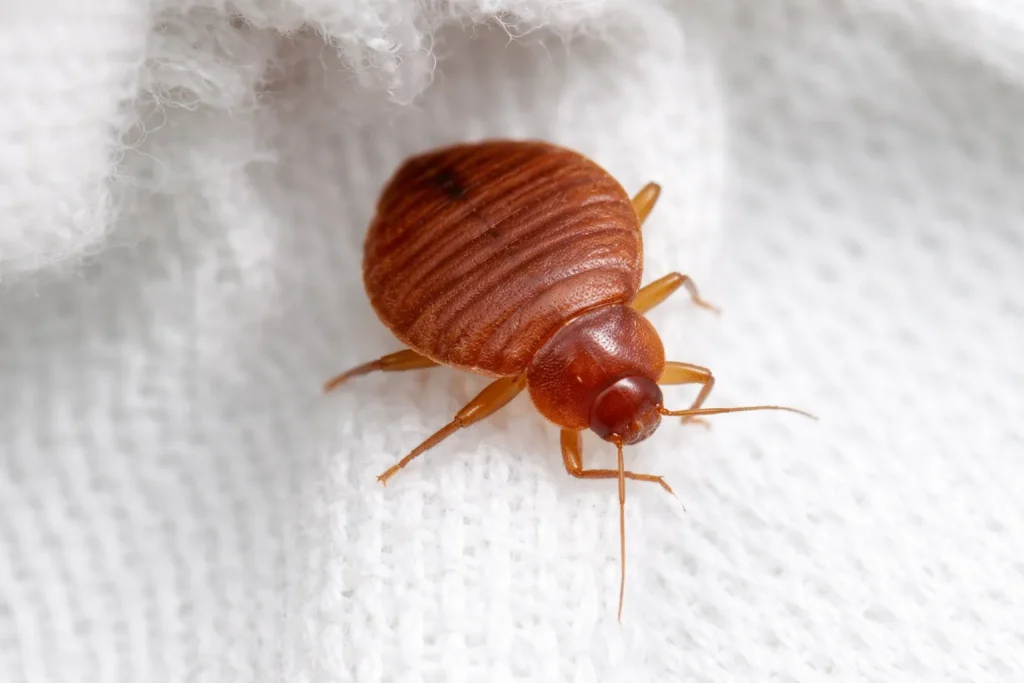
Bed bugs are visible to the naked eye. Adult bugs are about 5 millimeters long and have a flat, oval, brown body. To check for bed bugs, inspect areas close to where people sleep.
Look closely at:
- Mattress seams and piping
- Box springs
- Bed frame joints
- Headboards
- Upholstered furniture
- Baseboards near beds
- Electrical outlet plates
Signs of a bed bug infestation include small rust-coloured stains on bedding or mattress seams. These stains come from bed bug fecal matter.
Other evidence may include shed skins, tiny white eggs, or the bugs themselves. Small blood spots on sheets after sleeping can also be an early sign. According to detection guidance from the Environmental Protection Agency, careful inspection of mattress seams and furniture joints is one of the most reliable ways to find early infestations.
For homeowners who cannot locate visible evidence, professional inspection can help. Bugman offers canine bed bug inspections across Fraser Valley. Specially trained detection dogs can locate bed bugs with remarkable accuracy, even when the infestation is very small.
If bed bugs are confirmed, professional treatment becomes essential. Heat treatments raise room temperatures high enough to kill bed bugs at every life stage. Guidance from Health Canada’s guide to bedbugs also notes that professional treatments are often required because bed bugs hide in deep cracks and furniture joints.
Why Choose Bugman for Bed Bug Control in Fraser Valley
Bed bug bites are often the first warning sign that something is wrong. If you are noticing bites along with other signs of an infestation, professional help is the safest path forward. For homeowners in the Fraser Valley and across the Lower Mainland, Bugman has been providing trusted pest control services for decades.
The company was founded by Nigel Clark and has been serving communities across British Columbia since 1994, expanding into the Fraser Valley in 2006. Today the business continues as a family-run operation under Bryce Clark, built on long-standing relationships and a reputation for dependable local service.
Bugman offers several advantages when dealing with bed bug infestations. Their K9 inspection program provides highly accurate detection, which is especially useful in early infestations where visual signs may be difficult to spot. The company also operates the Heat N Sleep division, using advanced thermal heat treatment to eliminate bed bugs and their eggs without chemical pesticides.

All services are designed to be safe for families and pets, an important consideration for households with children or animals. Because Bugman technicians live and work in the Fraser Valley, they understand the housing styles and pest pressures common in the region. This local expertise helps them respond quickly and provide effective solutions.
Free quotes are available by phone, online, or through an inspection for more complex situations. If you suspect bed bugs in your home, it is best to act quickly before the infestation grows.
Don’t wait for the infestation to grow. Contact Bugman today for a bed bug inspection.
Frequently Asked Questions About Bed Bug Bites
How can you tell if bites are from bed bugs?
Bed bug bites are usually small, red, and itchy, often appearing in a line or cluster of two or three bites. This pattern is sometimes called “breakfast, lunch, and dinner.” The bites typically appear on exposed skin such as the arms, shoulders, neck, or legs.
Unlike mosquito bites, bed bug bites may take hours or even days to appear. The most reliable way to confirm bed bugs is not the bites themselves but physical evidence such as rust-coloured stains on mattress seams, shed skins, or live bugs. A professional inspection can confirm an infestation if you are unsure.
Can you have bed bugs without seeing any bites?
Yes. Many people show little or no reaction to bed bug bites. In shared households, one person may develop itchy welts while another shows no symptoms at all.
Because reactions vary widely, bites alone cannot confirm or rule out bed bugs. Look instead for physical signs such as stains on sheets, shed skins, or small blood spots on bedding. A canine inspection can also detect infestations that are difficult to see.
How long do bed bug bites last?
Most bed bug bites fade within one to two weeks if the person is not bitten again. Mild reactions may clear in a few days with treatments such as antihistamines or hydrocortisone cream.
If an infestation remains active, however, new bites will continue to appear. Treating the underlying bed bug problem is the only way to stop the cycle of bites.
What’s the difference between bed bug bites and flea bites?
The biggest difference is location. Flea bites usually appear around the ankles and lower legs because fleas jump from floors or carpets.
Bed bug bites tend to appear on exposed skin during sleep, such as the arms, shoulders, neck, or face. They also commonly form lines or clusters rather than scattered bites. Both pests require professional treatment to eliminate fully.
Do I need a professional for bed bugs, or can I treat them myself?
Bed bugs are difficult to eliminate with DIY treatments. They hide deep in mattress seams, furniture joints, baseboards, and even electrical outlets where sprays often cannot reach.
Many bed bug populations are also resistant to common pesticides. Professional heat treatment raises room temperatures high enough to kill bed bugs and their eggs throughout the space, making it one of the most effective solutions.
Still have questions about bed bug bites or signs of an infestation? Bugman’s team is ready to help.
Stop Bed Bugs Before the Infestation Grows
Bed bug bites can be uncomfortable and stressful, but they are also an important warning signal. With more than 30 years of experience serving Fraser Valley and the Lower Mainland, Bugman knows how to identify bed bugs, confirm infestations, and eliminate them safely for your family and pets.
Ready to get rid of bed bugs for good? Contact Bugman today.