Table of Contents
Tiny flies buzzing around your kitchen? If you’re seeing these pesky insects around your sink, you’re likely dealing with fruit flies, drain flies, or fungus gnats. Here’s how to eliminate them effectively.
7 Proven Control Methods
Bio-Gen Drain Foam Cleaner
According to Onkar Ghuman with Real Deal Plumbing & Drainage, the best way to solve a drain fly problem is by removing the organic material sitting in your pipes. At The Bugman, Bio-Enzymatic Foam Cleaners are our preferred method for controlling flies found in your drains. They provide a unique and effective solution for drain-dwelling insects. This innovative product combines concentrated natural bacteria with citrus-based grease cutters and odour counteractants. As it expands, the foam coats pipe walls to break down organic matter where flies breed while also eliminating odors and maintaining free-flowing drains.
Bio-Enzymatic Foam Cleaners
Bio-enzymatic foam cleaners are specifically designed for drain-dwelling insects. These products combine natural bacteria with citrus-based grease cutters, expanding to coat pipe walls and break down organic matter where flies breed. They’re safe for all plumbing systems, including septic tanks.
Vinegar and Baking Soda Treatment
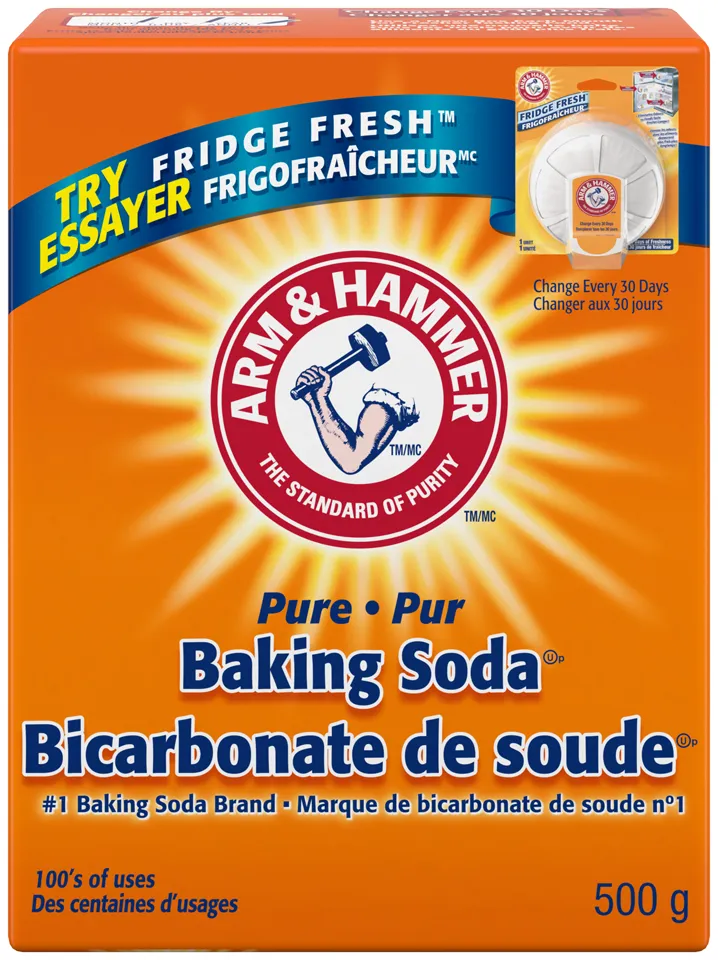
Pour 1/2 cup baking soda down the drain, followed by 1/2 cup vinegar. The foaming action helps dislodge organic matter while deodorizing. After 15 minutes, flush with hot water. This natural solution is both effective and plumbing-safe.
Boiling Water Flush
Pour boiling water directly down affected drains to kill larvae and eggs. Most effective when done in the evening after the drain hasn’t been used for several hours. Repeat daily for at least three days to break the breeding cycle.
Pine-Sol
Mix a solution of 1/2 cup Pine-Sol with 1/2 cup baking soda. The pine oil in Pine-Sol not only helps kill fruit flies and their larvae, but its powerful cleaning agents also help dissolve the organic buildup they feed on. Baking soda creates a gentle scouring action and helps neutralize the acidic environment that fruit flies thrive in, while also eliminating drain odors.
Bleach
Bleach can be an effective solution for drain flies when used properly. A mixture of 1 cup bleach to 1 gallon of water, poured down the drain and left for 30 minutes before flushing with hot water, can help kill flies and larvae near the drain surface.
Commercial Fly Traps
Store-bought fly traps often contain attractants specifically designed for different species. Place them near problem areas for best results. These can be more effective than homemade solutions, especially for serious infestations.
Drain Snake for Manual Cleaning
Use a drain snake or plumber’s auger to remove built-up organic matter, followed by a plunger to dislodge remaining debris. This physical drain cleaning method works particularly well when combined with enzymatic treatments.
Understanding Fruit Fly Attraction
Fruit flies are primarily attracted to fermenting organic matter, making your kitchen a perfect breeding ground. They seek out ripe fruits and vegetables, spilled beverages (especially wine and beer), and any moist environments containing organic debris. Your garbage disposal and drains are particularly attractive to these pests, providing both moisture and food sources. Even seemingly clean areas like mop buckets and wet cleaning tools can attract fruit flies if they contain trace amounts of organic matter.
Catch Clean and Sanitize
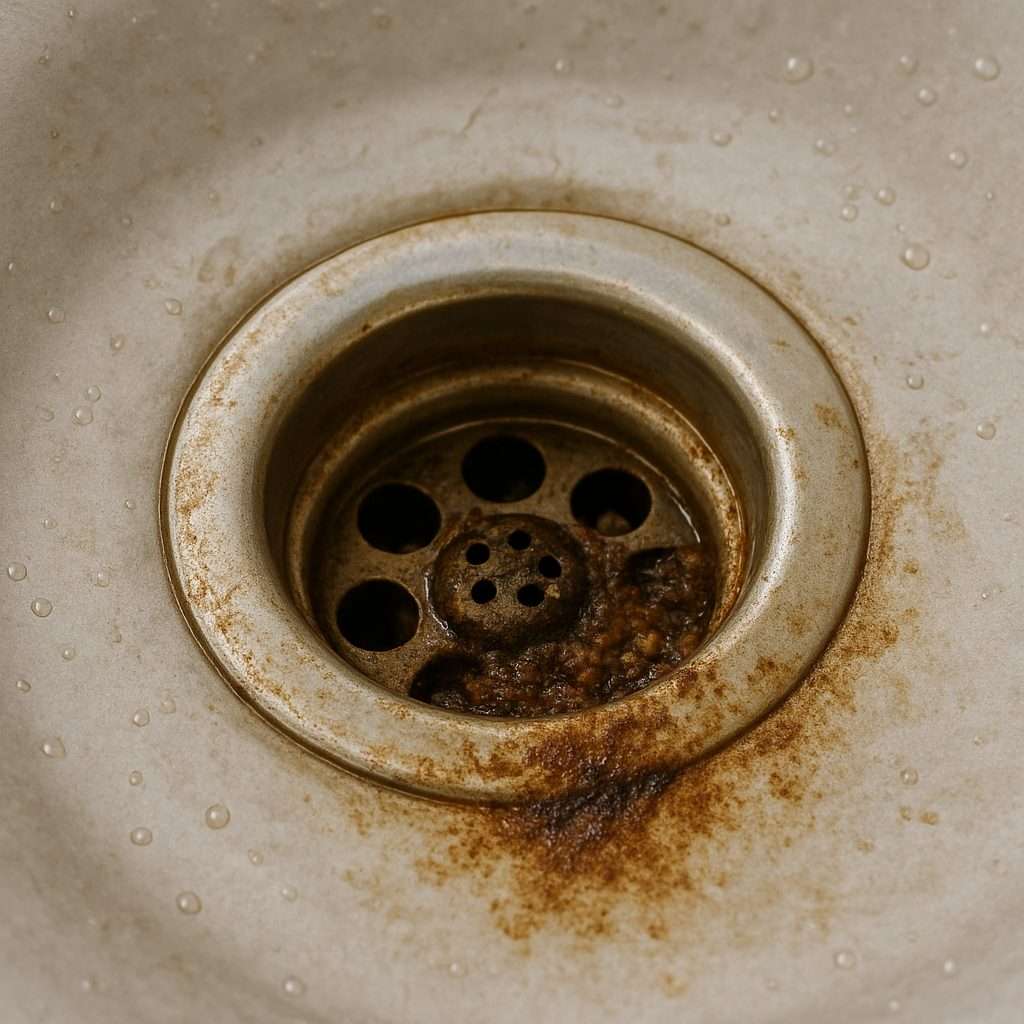
Start with thorough cleaning:
- Remove visible debris from drains
- Clean sink surfaces and disposal units
- Sanitize drain covers and stoppers
- Address standing water issues
- Keep sink area dry between uses
Treatment Timelines for Getting Rid of Flies
- Immediate results: Fewer adult flies within 24-48 hours
- Complete control: 1-2 weeks for small infestations
- Persistent cases: 3-4 weeks of consistent treatment
- Professional treatment: Significant improvement within one week
The Appeal of Drains to Fruit Flies

Your drains create an ideal environment for fruit fly populations to thrive and multiply. The constant moisture keeps organic matter soft and accessible, while bacterial growth provides an abundant food source for developing larvae. The protected environment offers stable temperatures and limited air flow, allowing colonies to establish themselves without disruption. This combination of factors makes drains particularly challenging to treat once flies take hold.
Types of Small Flies in Your Home

Different species of small flies can infest your drains and understanding which type you’re dealing with helps target treatment effectively.
Fruit flies are small, tan or light brown insects with distinctive red eyes, most commonly appearing during late summer and fall, completing their life cycle in just 8-10 days.
Drain flies have a unique moth-like appearance with fuzzy wings and can be found year-round indoors, taking 8-24 days to complete their life cycle.
Fungus gnats, often mistaken for fruit flies, are slender with long legs and dark bodies, typically associated with houseplants and completing their development in 3-4 weeks. Each species requires slightly different control methods for optimal results.
What are drain flies vs fruit flies
Key Differences at a Glance
Drain Flies (Psychodidae) are fuzzy, moth-like insects with broad, hairy wings that rest flat over their bodies. They’re typically gray or tan in color, measure about 1/8 inch long, and have a distinctive slow, erratic flying pattern—almost like hopping from surface to surface. You’ll rarely see them venture more than a few feet from the drain where they breed.
Fruit Flies (Drosophila) are smaller, smoother insects with a classic fly appearance. They have tan or light brown bodies with distinctive bright red or dark eyes, measure about 1/16 to 1/8 inch long, and are much faster, more agile fliers. Unlike drain flies, fruit flies will actively search throughout your kitchen for food sources.
Where They Breed
Drain flies breed exclusively in the organic slime buildup inside your pipes, particularly in drains, garbage disposals, and floor drains. They lay their eggs in the gelatinous film created by grease, soap scum, and food particles that accumulate on pipe walls. The larvae feed on this biofilm and can complete their life cycle in just 8-24 days.
Fruit flies primarily breed on overripe or rotting fruits and vegetables, though they can also lay eggs in your drain if there’s enough organic matter present. They’re attracted to fermentation, which is why you’ll find them around wine bottles, beer cans, compost bins, and even damp mop buckets. Their life cycle is incredibly fast—just 8-10 days from egg to adult.
What Attracts Each Species
Drain flies are attracted to:
- Standing water in drains
- Organic buildup in pipes
- Moisture and humidity
- Sewage odors
- Poorly maintained garbage disposals
Fruit flies are attracted to:
- Ripe or rotting produce
- Fermented liquids (wine, beer, juice)
- Sugary spills and residues
- Garbage cans and compost
- Any decaying organic matter
Quick Identification Test
Still not sure which pest you have? Try this simple test:
The Tape Test: Before bed, place clear packing tape sticky-side-down over your drain opening. In the morning, check for trapped flies. If they’re fuzzy and moth-like, you have drain flies. If they’re smooth with red eyes, they’re fruit flies coming from your pipes.
More Information on our Recommended Solutions
Bio-Gen Drain Foam Cleaner
What makes BIO-GEN stand out is its safety profile. Unlike harsh chemical cleaners, BIO-GEN:
- Won’t harm plumbing fixtures, drains, traps, or septic systems
- Contains no harsh chemicals or hazardous solvents
- Uses natural bacteria to digest grease and waste
- Is classified as non-flammable
- Requires only basic safety precautions like eye protection
- Has biodegradable components
For best results, apply BIO-GEN in the evening when drains won’t be used for several hours. This allows the beneficial bacteria time to work effectively on organic buildup where flies breed. Regular use not only controls fly populations but also helps prevent future infestations by maintaining clean, odor-free drains.
Pine-Sol
Mix a solution of 1/2 cup Pine-Sol with 1/2 cup baking soda. Pour this mixture directly down the drain, and you’ll notice it beginning to foam as the baking soda reacts. This foaming action helps carry the solution along pipe walls, reaching areas where flies breed. Let it work for 30 minutes – this gives the pine oil time to break down organic matter while the baking soda deodorizes. Finally, flush thoroughly with hot water to wash away both the cleaning solution and any dislodged debris.
For stubborn infestations, repeat this treatment weekly. It’s safe for all types of plumbing and provides a fresh pine scent while it works. Just be careful not to use hot water initially, as this can diminish the effectiveness of the pine oil treatment.
Boiling Water
While boiling water is a simple and effective solution, be cautious with plastic pipes. ABS and PVC pipes should not be exposed to temperatures above 180°F (about 82°C), which is 30°F less than boiling. A single boiling water treatment likely won’t cause permanent damage, but consider using warm or hot tap water instead for plastic pipes. For metal pipes, boiling water is completely safe to use
Bleach
As a readily available and cost-effective treatment option, bleach kills adult flies and larvae on contact while helping eliminate surface bacteria and odors. Many homeowners appreciate its quick initial results and familiar cleaning power.
Safety First
Never mix bleach with other cleaners – this can create dangerous toxic gases, especially with ammonia or vinegar. Ensure proper ventilation by opening windows and running exhaust fans. Avoid breathing fumes and leave the area while the treatment works.
Plumbing Considerations
Use bleach sparingly to prevent pipe damage. Regular use can corrode metal pipes and damage rubber seals and gaskets. For homes with septic systems, bleach disrupts beneficial bacteria necessary for proper function and may require more frequent maintenance.
Recommendation
While bleach can be effective, safer alternatives like Bio-Gen foam cleaner or Pinesol treatments provide reliable control without the associated risks. If using bleach, always follow proper dilution ratios, never store solutions, and mix fresh each time.
When to Call Professional Pest Control
Contact The Bugman Pest Control if:
- DIY methods haven’t worked after 2-3 weeks
- You can’t locate the source
- Multiple areas are affected
- The problem keeps returning
- There are signs of larger plumbing issues
Need professional assistance? Schedule an inspection for a comprehensive evaluation and customized treatment plan. Our expert team serves the entire Fraser Valley region with targeted solutions for all types of fly infestations.
Remember, successful fly control combines immediate elimination methods with proper sanitation. By understanding what attracts these pests and maintaining clean drains, you can keep your kitchen fly-free.
Common Questions About Fruit Flies in Your Drain
What is the fastest way to get rid of fruit flies in the drain?
The quickest solution combines multiple treatments: Pour Bio-Gen foam cleaner down the drain, set up apple cider vinegar traps near the sink, and follow up with hot water flushes. While individual treatments work, using multiple methods simultaneously targets both adult flies and larvae for faster results.
Why are fruit flies coming out of my drain?
Fruit flies emerge from drains because they provide an ideal breeding environment. Your drains contain organic matter from food waste, constant moisture, and protected spaces with ideal temperatures. The flies lay eggs in the organic film that builds up on drain walls, and new adults emerge seeking food and additional breeding sites.
Will pouring vinegar down the drain get rid of fruit flies?
Vinegar alone provides limited control. However, combining vinegar with baking soda creates a foaming action that helps remove organic matter while killing flies and larvae. For better results, follow the vinegar and baking soda treatment with hot water, and consider using a more comprehensive solution like Bio-Gen foam cleaner for long-term control.
Can you pour boiling water down the drain for fruit flies?
Yes, boiling water can help kill fruit flies and their larvae in drains. For best results:
Use truly boiling water (not just hot tap water)
Pour slowly to maintain heat
Treat in the evening when drains won’t be used
Repeat daily for several days
Follow up with a drain cleaner to remove organic matter
While boiling water provides temporary relief, it should be part of a broader treatment plan that includes removing breeding sources and regular drain maintenance.
Do drain flies bite?
No, drain flies do not bite humans or animals. Unlike mosquitoes or biting flies, drain flies lack the mouthparts necessary to pierce skin or feed on blood. They are completely harmless in this regard and pose no direct physical threat to people or pets.
Why do drain flies keep coming back?
If you’ve eliminated drain flies only to see them return weeks later, you’re experiencing one of the most frustrating aspects of drain fly control. Drain flies keep coming back because the root cause—organic buildup in your pipes—hasn’t been fully addressed.